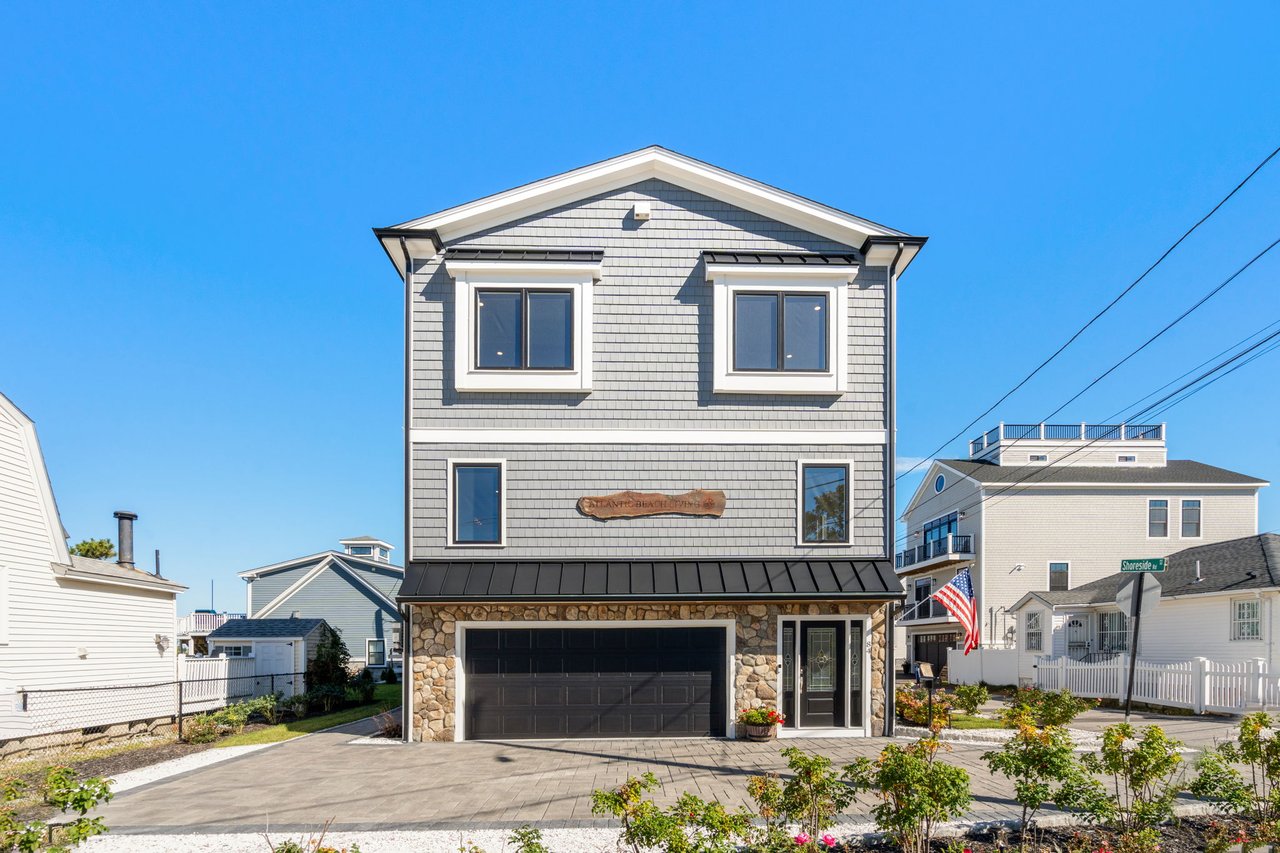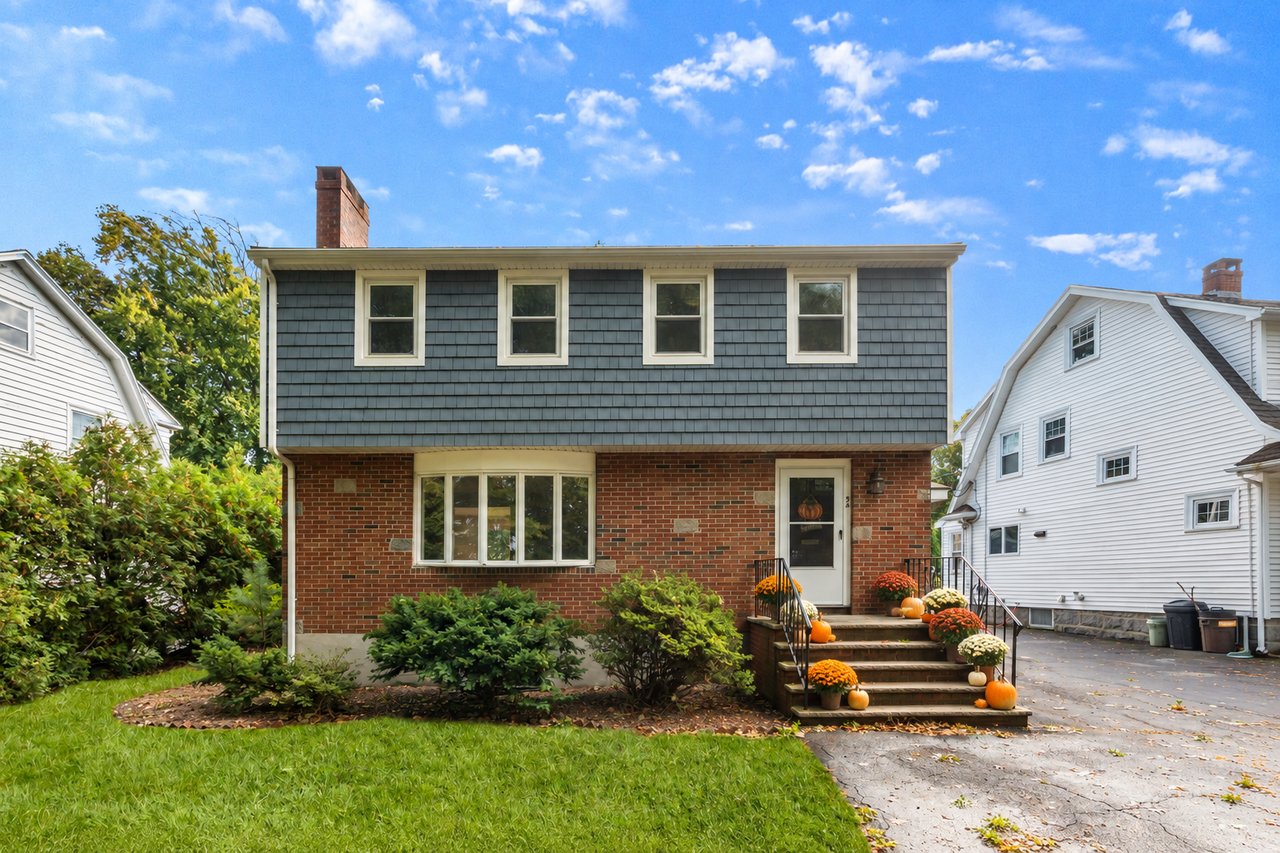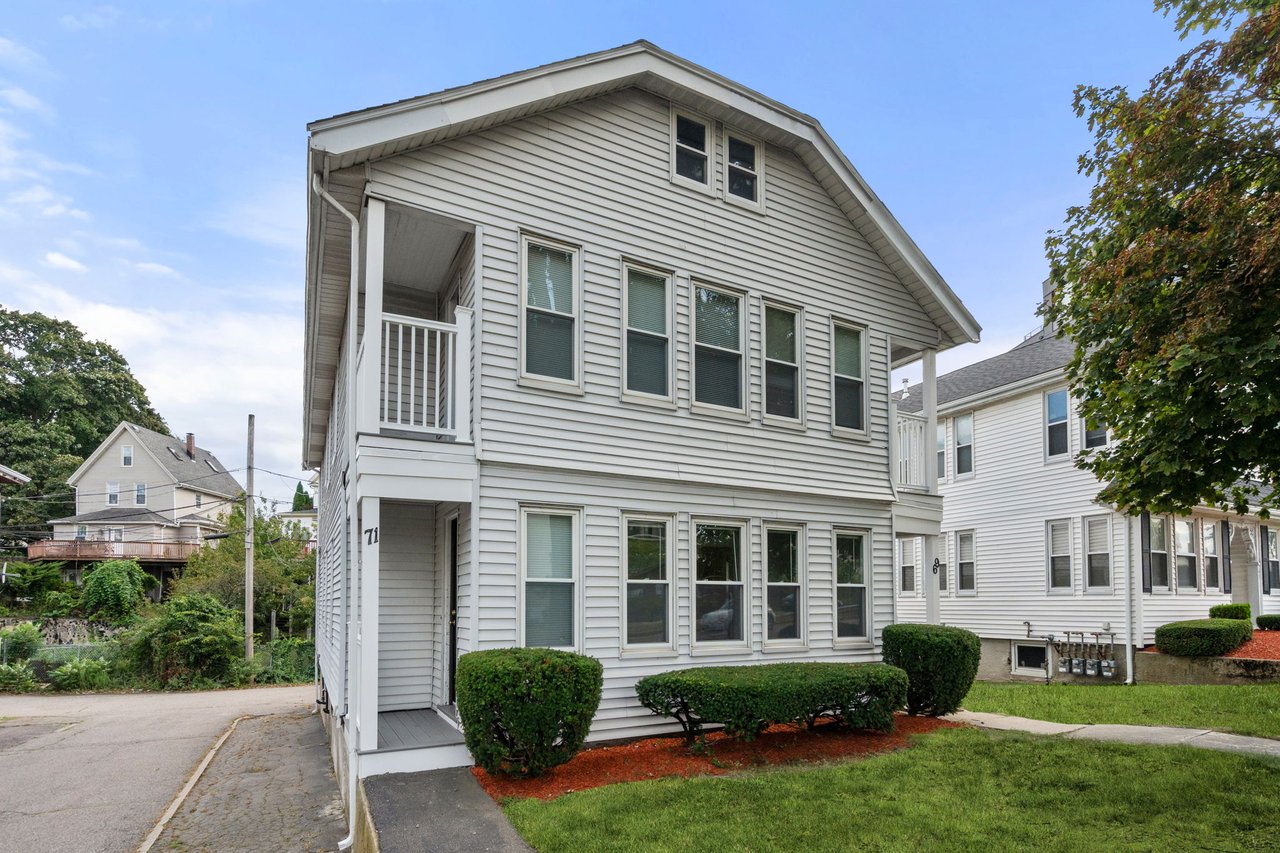
You see a Quincy listing marked “as‑is” and wonder what that really means for your budget, your timeline, and your peace of mind. You want clarity before you spend money on inspections or make an offer. In this guide, you’ll learn how “as‑is” works in Massachusetts, what you can still inspect and negotiate, and the Quincy‑specific issues to watch. Let’s dive in.
What “as‑is” actually means
“As‑is” signals that the seller does not plan to make repairs and that you are buying the home in its current condition unless your contract says otherwise. It is mainly about who is responsible for repairs after you sign the purchase and sale agreement. It is not a shield for fraud, concealment, or violating laws. Sellers still must follow disclosure rules and cannot hide known material defects.
You will see “as‑is” in listing remarks or as a clause in the purchase and sale contract. In practice, the contract language controls. Many local contracts pair an “as‑is” clause with an inspection contingency, which lets you review the home then accept, negotiate, or walk away. Estates, foreclosures, older homes with deferred maintenance, and sellers who do not want to manage repairs commonly use “as‑is.”
Your inspection rights in Quincy
You usually protect yourself with a written inspection contingency. This clause sets a timeframe to complete a general home inspection and any specialist inspections you choose. After you review the results, you can accept the home, request a credit or repair, or terminate as the contract allows.
In Greater Boston, inspection periods are often several business days up to about 10 business days. Shorter timelines favor sellers, while longer windows give you time for tests like radon or chimney evaluations. “As‑is” does not automatically cancel your right to negotiate unless you waive your contingency in writing. If you waive inspections, you take on greater risk for both known and unknown defects.
Common Quincy inspections and tests
- General home inspection
- Septic/Title 5 if the property is not on municipal sewer
- Flood zone check and a flood insurance quote if near the coast or waterways
- Oil tank sweep or heating system review, especially in older homes
- Lead risk in homes built before 1978
- Chimney, HVAC, roof, electrical, and pest inspections
- Radon testing
Disclosures and legal limits in Massachusetts
Federal law requires a lead‑based paint disclosure and information pamphlet for homes built before 1978. In Massachusetts, sellers cannot make false statements about material facts or actively conceal defects. Consumer protection rules and common‑law remedies still apply if fraud or concealment occurs.
Some rules override “as‑is.” Examples include smoke and carbon monoxide alarm requirements and Title 5 septic standards when a septic system is present. For condos, review association documents, budgets, assessments, and any known litigation. These items can affect value, financing, and your decision to proceed.
Quincy factors that deserve extra attention
Quincy’s housing stock includes many older single‑family and multi‑family homes. Older properties often carry lead paint risk, possible knob‑and‑tube wiring, older plumbing, and original or oil‑based heating systems. Plan inspections and quotes with these realities in mind.
Portions of Quincy are coastal or close to water. A flood zone designation can affect insurance cost and mortgage approval. Check flood maps and obtain a flood insurance estimate early if the property is in or near a mapped zone.
While many Quincy areas have municipal sewer, some outskirts or older properties may use septic systems. Title 5 rules and inspections are important at resale. For two‑ and three‑family buildings, pay close attention to code compliance, electrical capacity, and proper egress. Local permitting, wetlands, and historic district considerations can also influence your plans for repairs or additions.
How negotiations often play out
Sellers who market “as‑is” expect the price to reflect condition and aim to avoid repair requests. That said, your inspection findings can still lead to a productive conversation. Buyers commonly seek either a price reduction, a closing credit, or targeted repairs for significant issues such as a failed heating system.
Most “as‑is” deals resolve in one of three ways. You accept the home as it is and move forward, you negotiate a credit or limited repairs, or you use your contingency to terminate and recover your deposit as the contract allows. Keep your lender in the loop. Some loans require certain repairs or certifications before closing, which can affect your timeline if major issues arise.
Action checklists
For buyers
- Include a written inspection contingency with time to complete specialist tests.
- Order a comprehensive inspection plus septic, radon, oil tank, lead, and flood checks as needed.
- Review condo or HOA documents early for resales.
- If you find material defects, follow the contract’s notice and timing rules before waiving any rights.
- Do a pre‑closing walk‑through to confirm condition is unchanged.
For sellers
- Consider a pre‑listing inspection to set price expectations and reduce surprises.
- Disclose known defects honestly and follow required federal and state disclosures.
- Be prepared to price for condition or offer credits if inspections reveal major issues.
- Keep written records of your disclosures and communications.
Red flags for anyone
- Signs of active concealment, like covering water stains without fixing the source
- Unpermitted work in additions or finished areas
- Unknown buried oil tank or lack of documentation for past oil heating systems
- High‑risk flood zones without clear insurance history or unusually high premiums
When to bring in the right pros
- Real estate attorney to review purchase and sale language, “as‑is” clauses, and timelines
- Licensed home inspector for a full evaluation and referrals to specialists
- Specialist inspectors for septic, structural, HVAC or boiler, oil tanks, environmental concerns, and radon
- A local agent experienced in Quincy for timing norms, offer strategy, and negotiation best practices
- City of Quincy departments for permits, wetlands, and septic inquiries
Buying or selling “as‑is” in Quincy does not have to be stressful. With the right contingency, targeted inspections, and clear communication, you can protect your budget and your timeline while keeping the deal on track. If you want a local, boutique team to guide you from first showing through closing, connect with Colleen Foulsham for a clear, step‑by‑step plan.
FAQs
What does “as‑is” mean in a Quincy real estate listing?
- It means the seller does not plan to make repairs and you are accepting the property’s current condition unless your contract states otherwise.
Can I still have a home inspection on an “as‑is” purchase in Massachusetts?
- Yes. “As‑is” does not cancel your inspection rights unless you waive them in writing. Most buyers include an inspection contingency.
What inspections are most important for older Quincy homes?
- General home inspection, radon testing, lead risk for pre‑1978 homes, oil tank or heating checks, chimney and HVAC reviews, and septic/Title 5 if no municipal sewer.
Are sellers protected from liability by using “as‑is” language?
- No. “As‑is” does not protect a seller who commits fraud, makes false statements about material facts, or actively conceals known defects.
How do lenders view “as‑is” homes during financing?
- Lenders may require repairs or certifications for health, safety, or habitability. Major issues can delay or end loan approval without a repair plan or credit.