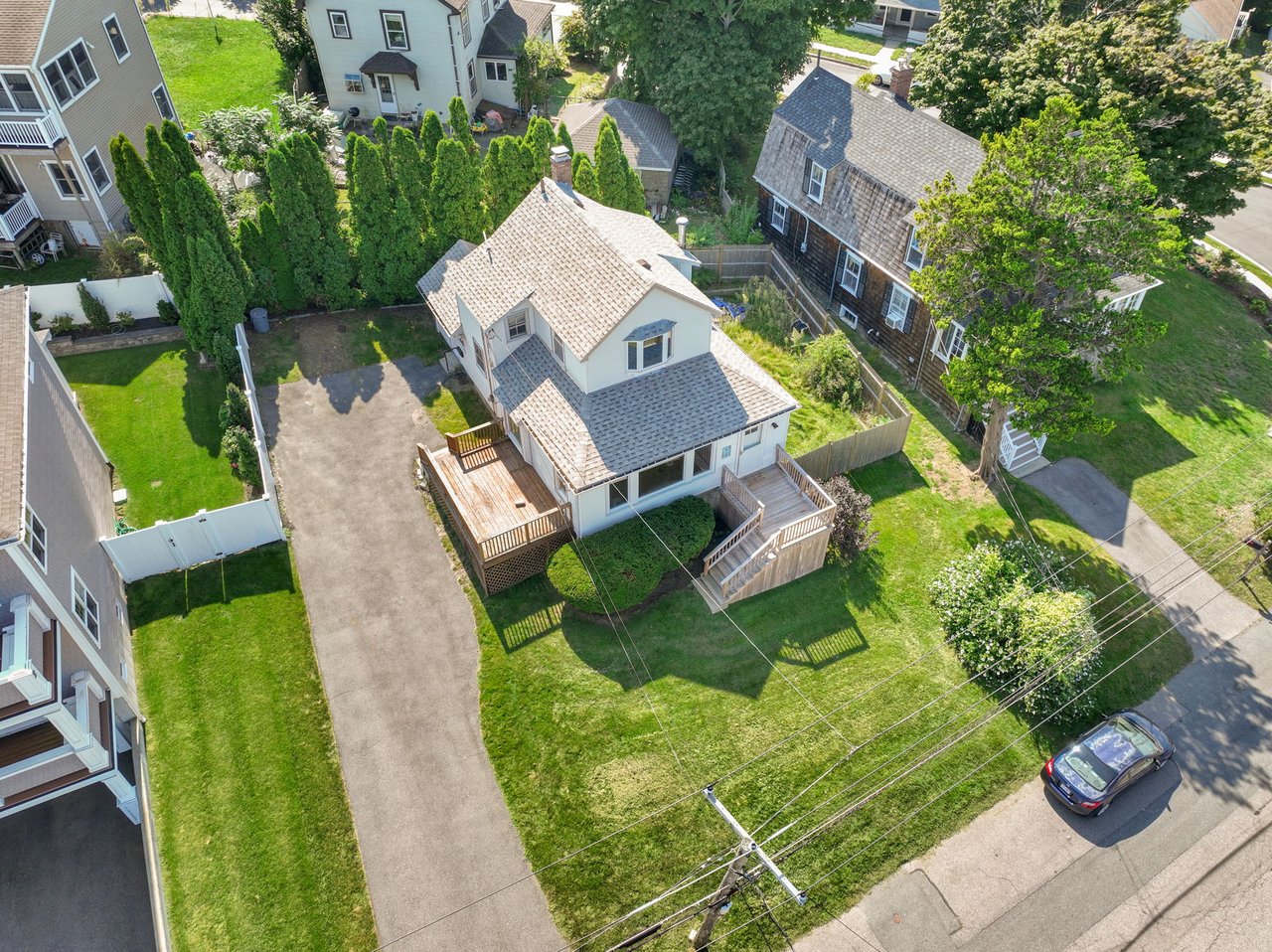
In the world of South Shore MA home buying, it is easy to fall in love with a "Pinterest-perfect" interior. You see the gleaming quartz countertops, the designer light fixtures, and the freshly staged living room, and you’re ready to sign. But as a seasoned expert in Quincy MA real estate, I know that a home’s true value—and its potential for future headaches—lies far beneath the surface.
In our unique corner of Massachusetts, from the historic streets of Quincy to the coastal stretches of Hingham and Weymouth, the environment plays a massive role in your investment. A home can look flawless on a sunny Tuesday afternoon, yet tell a completely different story during a Nor’easter or a humid July heatwave.
When I walk through a property with my clients at FC Realty, I’m not just looking at the floor plan. I’m looking for the "hidden" factors that determine whether a house is a sanctuary or a money pit. Here is the boutique checklist I use to ensure my clients are making a confident, informed decision when buying a home in Quincy and beyond.
1. Quincy’s Topography + Drainage: The "Invisible" Baseline
Quincy is a city of dramatic elevation changes. We have everything from the rocky heights of Wollaston Hill to the low-lying basins near Post Island. When buying a home in Quincy, you must understand the local "water story." High water tables and ledge (granite) are part of our DNA here.
What to Look For:
-
The "Basement Scent": Beyond just looking for puddles, use your nose. A musty, damp smell often indicates a high water table or poor foundation sealing, even if the space looks dry today.
-
Sump Pump Health: Is there a sump pump? Is there backup for that pump? In South Shore MA, a single pump without a battery backup is a risk during our frequent power outages.
-
Grading and Catch Basins: Look at how the land slopes. Does the yard "bowl" toward the foundation? Check for nearby city catch basins; if they are clogged with leaves, that water is headed for the nearest low point—your driveway or basement.
Questions to Ask:
-
"Has the basement ever had standing water, or just seepage?"
-
"Is the property in a FEMA-designated flood zone, and what is the current insurance premium?"
2. Commuter Reality vs. “Minutes to the T”
Every listing in Quincy and Braintree claims to be "minutes to the T." But in South Shore Massachusetts real estate, a five-minute walk in June is a very different experience than a five-minute walk in February.
The Reality Check:
-
The Winter Walk: Quincy is famous for its hills. Walking to the Wollaston or Quincy Center station might be easy on dry pavement, but on an icy morning, those inclines become a workout.
-
Parking Restrictions: Many streets near the Red Line have strict resident-only parking or "odd-side" winter parking bans. If the home doesn't have a multi-car driveway, your commute starts with a 15-minute hunt for a legal spot.
-
Bus Connectivity: If you aren't within walking distance, check the bus frequency. Some lines in Weymouth or Milton run like clockwork; others are more "suggestive" in their timing.
3. Coastal Exposure: Building Durability Near the Water
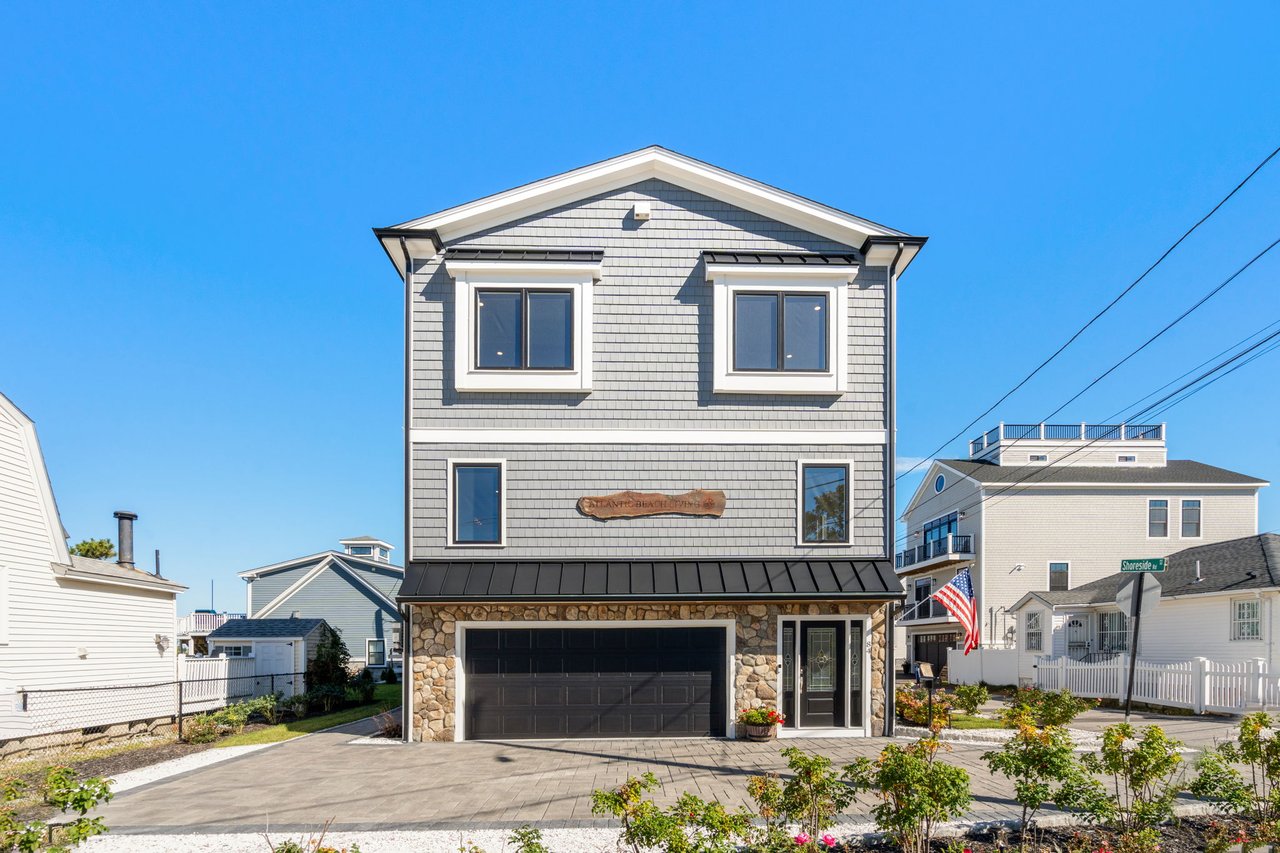
Living near the ocean in Hingham, Hull, or the Squantum section of Quincy is a dream, but salt air is relentless. It eats through standard hardware and punishes cheap windows. When touring Quincy MA homes near the coast, we look for "storm readiness."
What to Verify:
-
Window Specs: Are the windows impact-rated? Look for "Low-E" coatings and high-quality vinyl or fiberglass frames. Wood frames near the salt air require constant painting to prevent rot.
-
Hardware and Siding: Check the outdoor light fixtures and door hinges. If they are pitted or rusting, it’s a sign that the "salt spray" reaches this property, meaning you’ll need a more rigorous exterior maintenance schedule.
-
Building Envelope: Look at the "drip caps" above windows and doors. Proper flashing is the only thing standing between a coastal storm and your interior drywall.
4. Seller Motivation + Timeline: The Negotiation Lever
While the physical house is vital, the "human" element of the deal is where we find your leverage. Understanding why and when a seller needs to move can be the difference between a winning offer and a missed opportunity.
Why it Matters:
-
The Relocator: If a seller is moving for a job starting in 30 days, they might value a "clean" offer (no contingencies) over a slightly higher price.
-
The "Right-Sizer": Someone moving into a retirement community may need a flexible closing date or a "rent-back" period. Offering this flexibility can make your offer stand out in a competitive South Shore MA home buying market.
5. Market Comparison: Value Beyond the Price Tag
Two homes priced at $750,000 can be vastly different investments. One might be a "turn-key" condo in Quincy Center, while the other is a fixer-upper in a premier Milton neighborhood.
How We Evaluate Value:
-
Comps vs. Condition: I look at "Sold" data from the last 3-6 months. If a nearby home sold for the same price but had a brand-new roof and a 2024 HVAC system, the current house may be overpriced.
-
Long-Term Costs: A cheaper home with a 20-year-old heating system and an aging roof is often more expensive over a 5-year period than a slightly higher-priced home with updated "big ticket" items.
The Quick Tour Checklist
-
[ ] Basement: Check for sump pump, dehumidifier, and efflorescence (white powder) on walls.
-
[ ] Attic: Look for daylight or water stains on the underside of the roof.
-
[ ] Electric: Locate the panel. Is it 100-amp or 200-amp? (200 is the modern standard).
-
[ ] Exterior: Inspect the "line" of the roof. Is it sagging, or straight?
-
[ ] Neighborhood: Drive the street at 6:00 PM on a weekday to see the true parking and traffic situation.
When to Bring in the Experts
Touring is the first step, but before you waive those contingencies, we call in the pros:
-
General Home Inspector: For the overall "health" of the structure.
-
Drainage/Foundation Specialist: Essential for Quincy homes with older stone foundations or basement moisture.
-
Title V / Sewer Inspector: Crucial for South Shore towns (like parts of Weymouth or Hingham) that may still have septic systems or older clay sewer pipes.
Start Your Journey with FC Realty
The South Shore market moves fast, but that doesn't mean you should skip the details. Whether you are looking for a coastal retreat or a commuter-friendly condo, I am here to help you see past the staging and find a home that truly fits your life.
Ready for a smarter home tour? [Contact Colleen today] to schedule a custom tour plan for Quincy MA real estate and the South Shore.
Meta Description
Discover what a pro Realtor looks for when touring homes in Quincy and the South Shore. From drainage to commuter reality, don't buy without this checklist!
FAQ: Buying a Home in Quincy & the South Shore
1. Is flood insurance required for all homes in Quincy, MA? No, only for homes located in FEMA-designated Special Flood Hazard Areas (SFHAs). However, because of Quincy's topography, many buyers choose private "contents-only" or excess flood insurance even if it isn't federally mandated.
2. How long does the commute from Quincy to Boston actually take? During peak hours, the Red Line from Quincy Center to South Station typically takes 20-30 minutes. However, you should factor in "first mile" time—getting to the station and finding parking can add another 15 minutes.
3. What is the "Red Line effect" on property values? Homes within a 0.5-mile radius of a Red Line station (North Quincy, Wollaston, Quincy Center, Quincy Adams) generally command a 10-15% premium and hold their value better during market shifts.
4. Are older homes in the South Shore harder to maintain? Older homes (pre-1940) often feature high-quality "old growth" wood but may require updates to electrical (knob and tube) and plumbing (galvanized steel). The trade-off is often better craftsmanship and character.
5. Do I need a lawyer for a Massachusetts home purchase? Yes. In Massachusetts, an attorney must be present for the closing and is responsible for the title search and legal transfer of the deed. It is a "lawyer state," unlike some others that use escrow companies.