If you’re a homeowner in Quincy, MA (or anywhere on the South Shore) thinking about selling this year, January can feel like a “later” month. Like you have time. Like the real estate market is half-asleep until spring.
And that mindset leads to the biggest January seller mistake:
Waiting, guessing, and spending money before you have a plan.
Colleen Foulsham at FC Realty sees this every year—smart sellers with great homes who lose leverage simply because they delayed the strategy. In a market where timing, prep, and pricing can move your bottom line by thousands, a January plan is often the difference between “listed” and “sold well.”
Myth: Winter is the slow season
Reality: Serious buyers don’t pause.
Yes, fewer people are casually browsing during the winter. But the buyers who are active? They tend to be motivated—relocation, lease timelines, life changes, and families planning around school schedules.
And in Quincy, homes are still moving quickly when they’re priced and presented correctly. Recent data showed Quincy homes averaging about 21 days on market (Redfin), with median sale prices around $710,000 in late 2025.
Translation: winter doesn’t stop the market. It filters it.
Mistake #1: Assuming you’ll “start in February”
You lose valuable prep time in January.
Here’s what many sellers don’t realize: the best listing results often come from the work done before the listing goes live. If you wait until February to reach out, you’re often rushing the steps that protect your sale price:
-
a pricing strategy built on real comps (not guesswork)
-
a prep checklist that prioritizes ROI
-
scheduling photography, staging guidance, and vendor help (when needed)
-
a timeline that avoids chaos
A calm, organized January plan usually creates a smoother listing—and a stronger launch.
Mistake #2: Starting projects before talking to an expert
Not all updates pay you back.
This is the “Home Depot receipt” problem.
Sellers start spending because it feels productive… but without strategy, the money goes to the wrong places. Colleen’s approach in Quincy and across the South Shore is simple: start with the buyer lens. What will buyers notice? What will appraisers support? What will actually improve market perception?
Often, high-impact prep looks like:
-
paint touch-ups in the right spots (not a whole-house overhaul)
-
lighting swaps that modernize instantly
-
minor repairs that remove “red flags” in showings
-
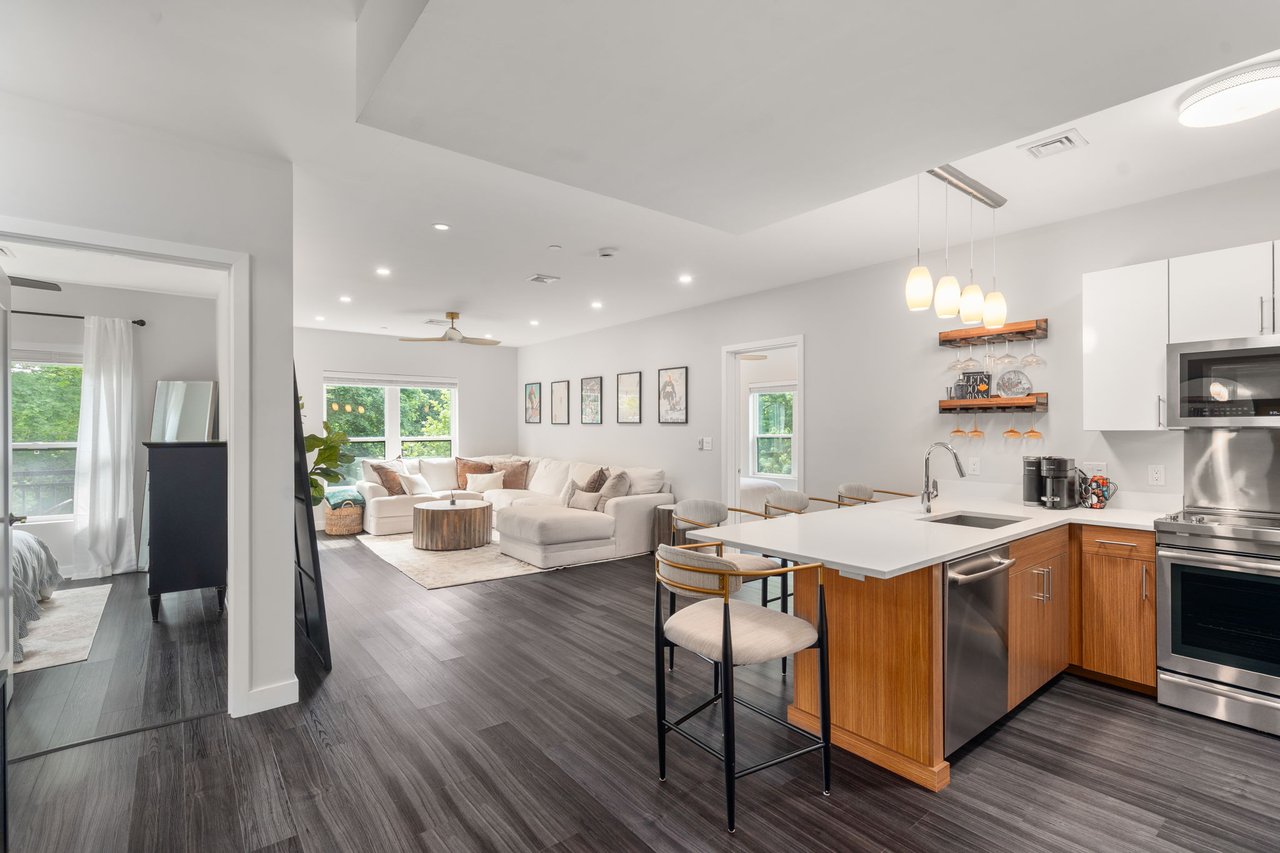
staging tweaks that make rooms feel bigger and brighter
Big renovations can work—but only when they match your neighborhood comps and timeline.
Mistake #3: Spending money in the wrong places
Cosmetic fixes can matter more than big renovations.
If you’re selling in Quincy, Hingham, Weymouth, Braintree, Milton, Scituate, Norwell, Cohasset, Marshfield, Duxbury (or anywhere nearby), your best return is usually tied to presentation + positioning.
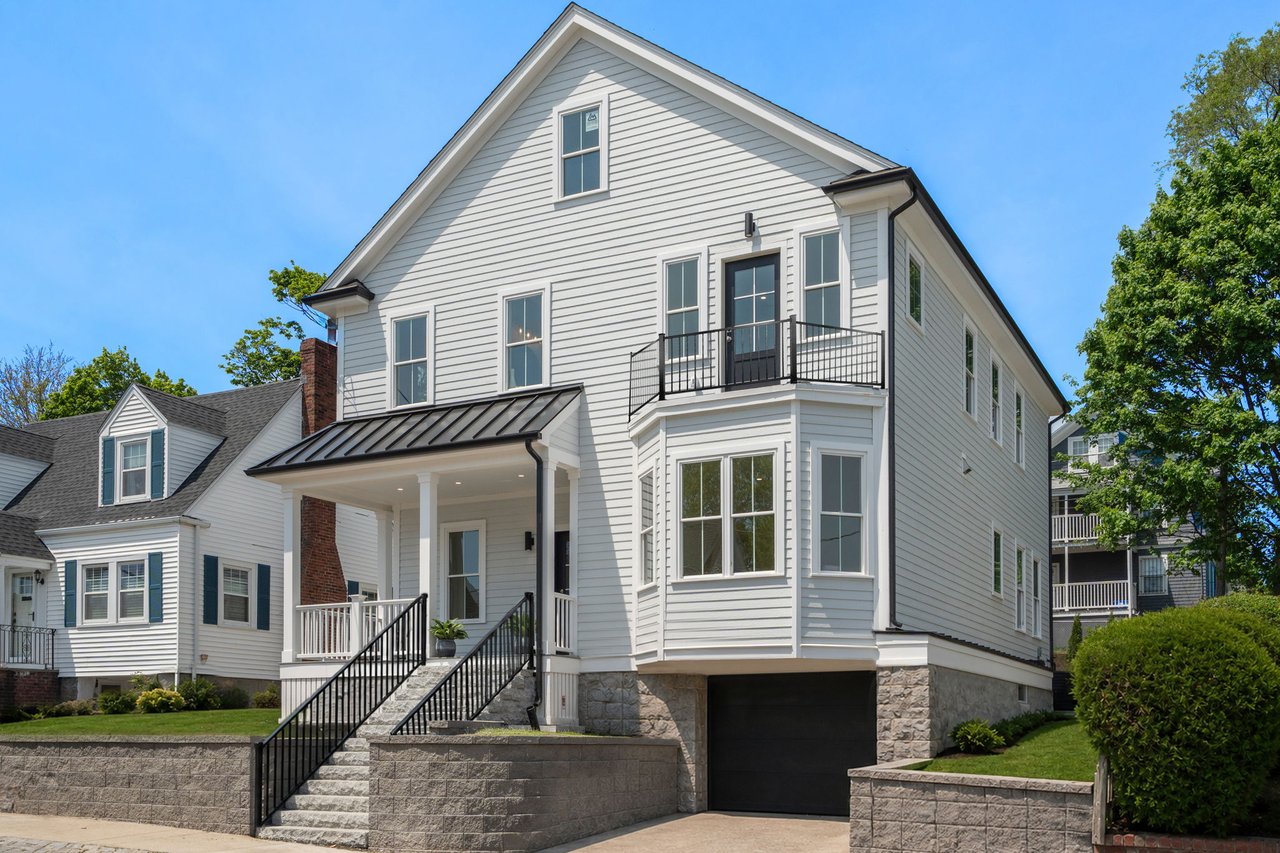
Buyers scroll before they tour. They judge photos fast. They decide emotionally—and then justify logically.
That’s why the “right” spend is often:
-
decluttering + clean lines
-
fresh, neutral finishes (where it counts)
-
curb appeal that photographs well in winter light
-
a clear story: this home is cared for, move-in ready, and worth it
Mistake #4: Guessing at pricing and timing
Strategy beats assumptions every time.
Online estimates are a starting point—not a pricing plan.
Quincy alone can vary wildly by micro-location and property type. A North Quincy condo, a single-family near Wollaston, and a home closer to Merrymount won’t behave the same way even in the same month.
Public market snapshots also show slightly different pictures depending on how they measure: for example, Zillow’s “average home value” in Quincy has hovered around the mid-$600Ks with quick “go pending” timelines, while other sources show median sale prices closer to $700K+ during late 2025.
That’s why Colleen builds pricing around:
-
hyper-local comps (recent + relevant)
-
current competition (what buyers will compare you to this week)
-
your home’s strengths/weaknesses (condition, layout, parking, updates, etc.)
-
timing strategy (when to “test” vs. when to go aggressive)
Mistake #5: Missing the advantage of low inventory
Less competition can mean stronger positioning.
Even with some inventory improvement, Massachusetts has remained relatively tight overall—Redfin data has shown around 2 months of supply statewide in late 2025, which is still a constrained environment.
And longer-term supply pressures (like permitting slowdowns and development constraints) continue to matter for Greater Boston and surrounding communities.
In plain English: quality listings can stand out more when there aren’t many good options. If your home shows well and hits the market with a smart plan, winter/early-year buyers may have fewer alternatives—especially in popular Quincy and South Shore pockets.
What to do instead: Build a January Selling Plan (that protects your equity)
This is where Colleen Foulsham (FC Realty) becomes the difference-maker. Her value isn’t just “listing the house.” It’s creating the plan that helps you avoid the expensive January mistakes.
A smart January plan typically includes:
1) A fast, clear home evaluation
What matters most in your neighborhood and price bracket.
2) A prep list prioritized by ROI
Do the things that help you net more. Skip the things that won’t.
3) A pricing and timing strategy
Based on real-time market behavior—not assumptions.
4) A marketing launch that fits how buyers shop today
Great photos, strong first impression, clean positioning, and a showing plan that creates momentum.
5) A negotiation plan before offers arrive
So you’re not making emotional decisions under pressure.
Ready for a January plan?
If you’re thinking about selling in Quincy, MA or anywhere on the South Shore, the smartest move is simple:
Reach out early.
Get a plan.
Protect your equity.
Want a January selling plan? Hit the contact us button, and we can set up a call!