Thinking about listing your Weymouth home and wondering which fixes actually move the needle? You’re not alone. Buyers on the South Shore want move-in-ready homes, but you don’t need a full gut renovation to impress them. In this guide, you’ll learn the practical, high-impact updates that help homes in Weymouth sell faster and for more, plus the local compliance items to check before you go live. Let’s dive in.
What Weymouth buyers want now
Weymouth draws commuting professionals, growing families, and downsizers who value convenience, modern systems, and low-maintenance living. Proximity to Boston, MBTA access, and South Shore amenities make move-in condition a priority for many buyers.
Across the area, buyers focus on a few core areas: kitchens and bathrooms that feel current, up-to-date mechanicals, energy efficiency, clean curb appeal, dry basements and attics, and safe electrical systems. Open layouts, a workable home office, and updated flooring are frequent requests.
If you’re targeting the busy spring-to-early-summer season, plan your fixes and any needed permits now so your home is ready for peak demand.
Start with safety and systems
Before touching paint colors or backsplashes, take care of safety and big-ticket systems. These items are top priority because they affect financing, inspections, and buyer confidence.
Mechanical servicing and documentation
Have your HVAC serviced and replace filters. If your water heater is near the end of its typical lifespan, consider a proactive replacement. Keep receipts and service logs so buyers can easily confirm the home has been maintained.
Roof and moisture control
A clean roof report can prevent negotiation snags. Repair damaged shingles or flashing and clean gutters and downspouts. If the basement has minor staining or musty odors, clean, seal, and address the source. Visible moisture issues can derail deals, so tackle them upfront.
Electrical and life-safety basics
Fix obvious electrical hazards such as exposed wiring or double-tapped breakers using a licensed electrician. Verify that smoke detectors and carbon monoxide alarms meet Massachusetts requirements and are operational. Repair loose railings, broken steps, or trip hazards.
Oil tanks and fuel systems
Older New England homes may have buried or decommissioned oil tanks that raise buyer and lender questions. If an oil tank is present or was previously removed, gather documentation and be prepared to disclose known conditions.
Septic and Title 5
If your property has a private septic system, Massachusetts Title 5 rules apply to real estate transfers. Schedule a Title 5 inspection early so you know where you stand and have time to address issues. If you are on municipal sewer, confirm that status and keep it handy for buyers.
Targeted cosmetic upgrades that show
Once safety and systems are addressed, move to cosmetic updates that deliver strong first impressions in photos and at showings.
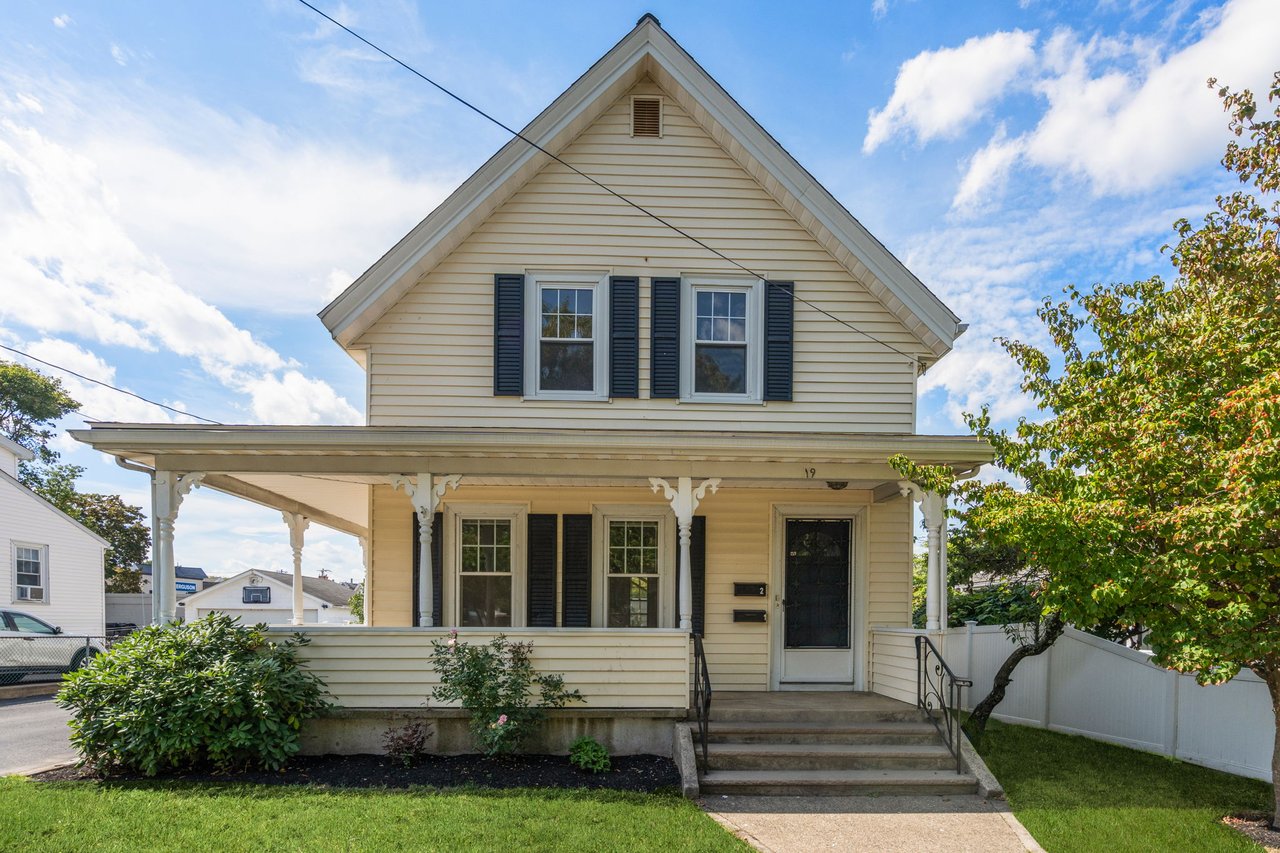
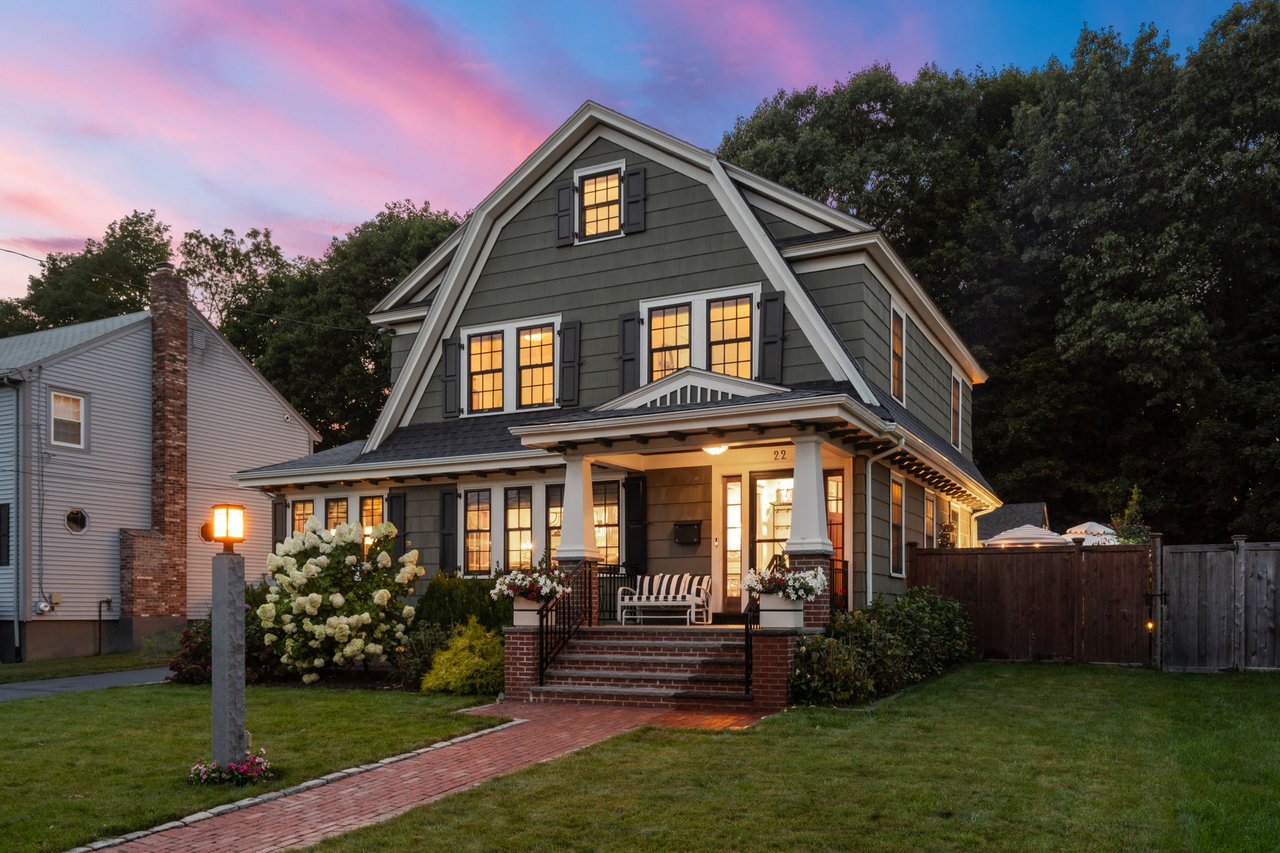
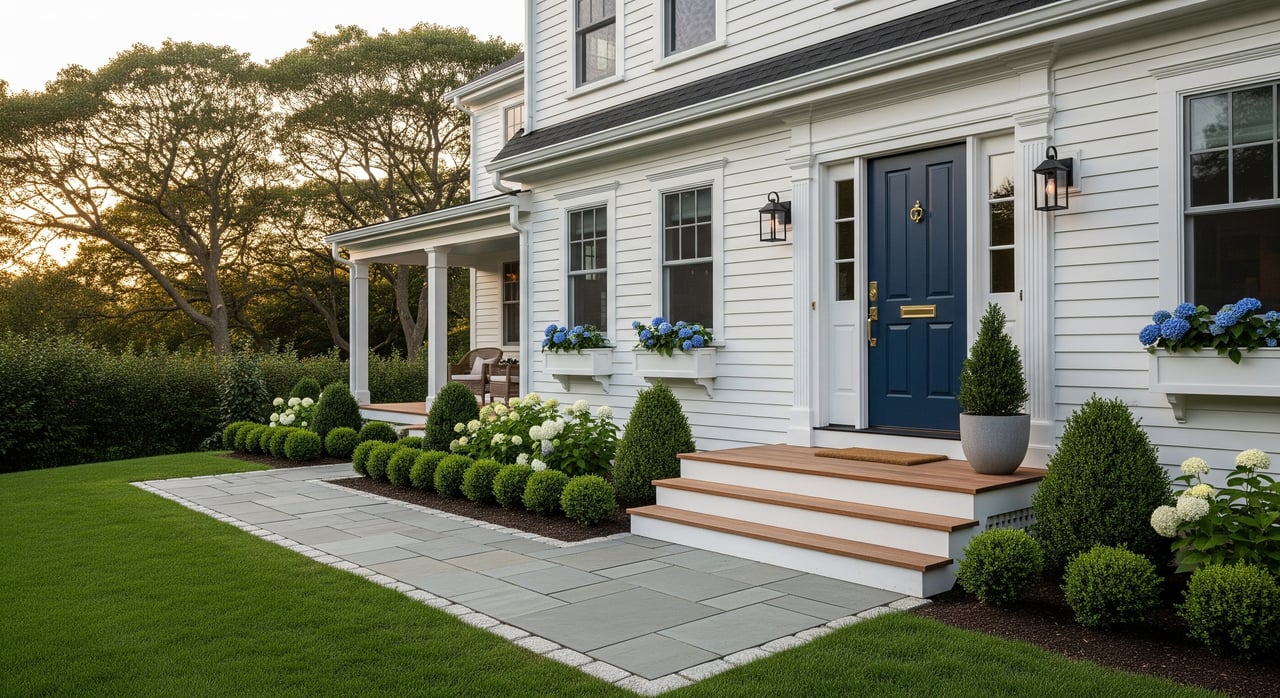
Curb appeal and exterior
- Power wash siding, clean windows, and touch up or repaint as needed.
- Refresh the front door with new paint or hardware, and tidy the walkway.
- Clean and repair gutters. Consider a garage door repair or replacement for an eye-catching update.
- Trim shrubs, edge beds, and add simple seasonal plants for a neat look.
These small steps set the tone before buyers walk inside.
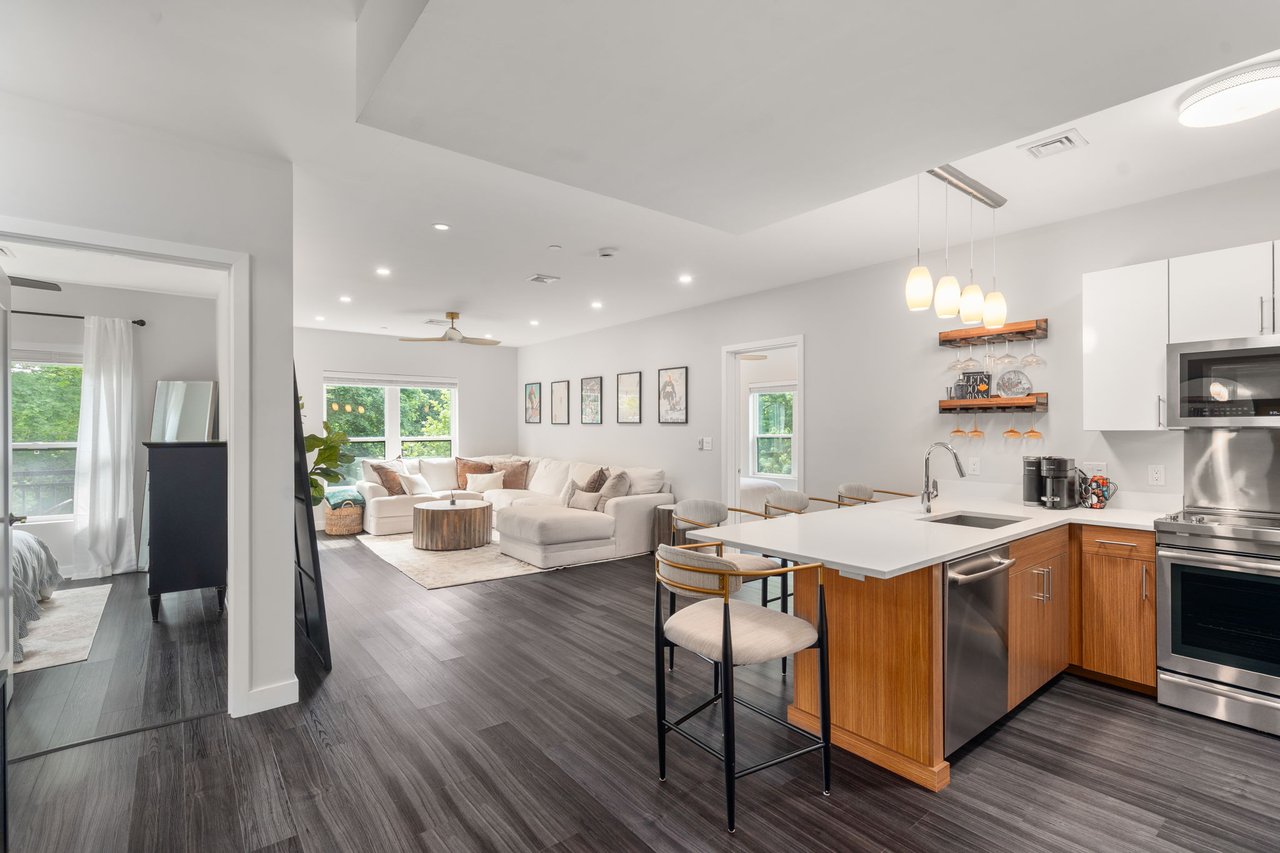
Interior refresh
- Repaint in light, neutral tones to brighten and unify rooms.
- Refinish hardwoods or replace worn carpet. Many buyers prefer hardwood or clean, updated flooring.
- Update lighting for a warm, consistent look. Replace dated fixtures and consider higher-efficiency bulbs.
- Regrout tile and refresh caulking in kitchens and baths for a clean finish.
Kitchen and bath mini-upgrades
You do not need a full remodel to make a big impact. Consider:
- Painting existing cabinets and adding updated hardware.
- Swapping in a fresh countertop or tile backsplash.
- Installing a modern faucet, new vanity light, or framed mirror.
- Replacing an old toilet seat or trim pieces for a polished feel.
These targeted edits help buyers envision move-in readiness without major cost.
Declutter, deep clean, and stage
Professional cleaning and decluttering push your photos and showings to a higher level. Pack away extra furniture and personal items to emphasize space and light. For higher-end listings, professional staging can sharpen the presentation and highlight key features.
Energy-efficiency touches buyers notice
Energy efficiency matters to South Shore buyers. Air sealing, insulation, and smart heating or cooling options can reduce utility costs and improve comfort. Massachusetts programs such as Mass Save often offer energy assessments and rebates for upgrades like insulation, air sealing, heating systems, and heat pumps. If you plan to pursue improvements, check available incentives before you start and keep documentation for buyers.
Permits, disclosures, and local checks
Save yourself headaches by lining up paperwork and disclosures early.
Permits and municipal approvals
Roofing, siding, decks, structural changes, and many HVAC, electrical, or plumbing projects typically require permits. In Weymouth, the Building Department handles many of these approvals, and the Conservation Commission may be involved if wetlands are nearby. Unpermitted work can slow or jeopardize a closing, so gather past permits and obtain any needed approvals for current projects before listing.
Lead-based paint in older homes
If your home was built before 1978, federal law requires you to provide buyers with a lead-based paint disclosure and an EPA pamphlet. Many Weymouth homes fall into this category. Be prepared to furnish the required form and share any testing or remediation records you have. If a buyer requests testing, plan for that during the inspection period.
Flood zones and insurance
Some parts of Weymouth are coastal or low-lying. Check whether your property lies in a Special Flood Hazard Area. If flood insurance is required or historically carried, disclose those details early so buyers understand the implications.
Electrical age and panel type
Buyers may flag older wiring or outdated panels in pre-inspection questions. If your home has older components, consider a pre-listing check with a licensed electrician and keep records of any upgrades.
How to prioritize and plan your timeline
A clear plan helps you finish on time and on budget, especially if you are targeting the spring market.
- Highest priority: Safety and code items, plus systems that affect financing and insurability. Think roof, HVAC, water heater, structural or moisture concerns, smoke and CO alarms, and major electrical hazards.
- Second priority: High-visibility cosmetic updates like paint, flooring refresh, lighting, curb appeal, and targeted kitchen or bath improvements.
- Evaluate larger projects: Full kitchen remodels or significant additions often do not return as well for a pre-listing timeline. Compare with neighborhood expectations and recent sales before committing.
Typical timelines:
- Small cosmetic updates: a few days to 1–2 weeks.
- Mechanical servicing and inspections: a few days to 2–3 weeks.
- Permitted exterior or structural work: several weeks or more depending on scope and approvals.
- Septic work or major system replacements: can extend schedules. Start early if Title 5 applies.
Choosing contractors and documenting work
Hire licensed and insured local contractors, and verify registrations where required. Get written estimates and clear scopes of work. Keep copies of permits, invoices, and lien waivers. This documentation becomes part of your seller packet and reassures buyers that the home was properly maintained and improved.
A pre-listing inspection can be helpful, especially for older homes. It allows you to identify and fix items on your terms, rather than under a tight buyer deadline. Use a reputable inspector and focus on issues that commonly surface during buyer inspections.
Quick pre-listing checklist for Weymouth sellers
- Walk through your home and list obvious safety and cosmetic issues.
- Consider a pre-listing home inspection to surface surprises early.
- Prioritize safety and mechanical fixes, septic/Title 5 if applicable, roof, and electrical hazards.
- Complete high-impact cosmetic edits: neutral paint, flooring refresh, updated lighting, minor kitchen and bath updates.
- Improve curb appeal: power wash, touch up exterior, clean gutters, tidy landscaping.
- Verify permits for past projects and gather documentation.
- Prepare lead paint disclosures for pre-1978 homes.
- Check flood zone status and note any insurance requirements.
- Hire licensed, insured contractors and keep all receipts.
- If pursuing energy upgrades, review incentives before starting and keep records for buyers.
Ready to list with confidence in Weymouth?
When you focus on safety, systems, and a few smart cosmetic updates, you give buyers exactly what they’re looking for: a home that feels move-in ready and well cared for. If you want a clear, local plan tailored to your property and timing, connect with Colleen Foulsham for a consult. You will get a data-informed strategy, polished presentation, and a coordinated team to bring your listing to market the right way.
FAQs
What fixes have the best return in Weymouth?
- Prioritize safety and systems first, then neutral interior paint, flooring refresh, curb appeal, and targeted kitchen or bath updates that improve photos and perceived move-in readiness.
How early should I handle septic and Title 5?
- If you have a private septic system, schedule the Title 5 inspection early so you have time to address issues and keep your closing on track.
Do I need permits for small projects before listing in Weymouth?
- Many exterior and system projects require permits; verify requirements, pull permits where needed, and gather past approvals to avoid closing delays.
How do I manage lead paint disclosure for an older home?
- For homes built before 1978, provide the required lead disclosure and the EPA pamphlet, and share any testing or remediation documentation you have.
Should I get a pre-listing inspection in Greater Boston?
- A pre-listing inspection can identify issues on your schedule, guide repairs, and help you present clear documentation to buyers for smoother negotiations.