Are you wondering what your home would really sell for in Quincy right now? Pricing is one of the biggest decisions you make as a seller or buyer, and the stakes feel high. You want a number that attracts interest without leaving money on the table, or a smart offer that wins without overpaying. This guide shows you how a Comparative Market Analysis gives you a clear, local answer grounded in real Quincy data. Let’s dive in.
CMA basics
A Comparative Market Analysis, or CMA, estimates a likely price range for a specific property by comparing it with similar homes that recently sold and are currently on the market. It helps sellers set a list price and helps buyers shape a competitive offer.
A CMA is different from other valuations:
- CMA vs appraisal: An appraisal is a formal valuation by a licensed appraiser for lending or legal use. A CMA is an agent-prepared market analysis used for pricing decisions.
- CMA vs AVM: Automated Valuation Models give instant estimates using public data. A CMA adds human judgment and local details like condition, finishes, and precise location that algorithms often miss.
In eastern Massachusetts, agents use MLS data and neighborhood expertise to build CMAs that reflect what buyers in today’s market would likely pay.
How a CMA is built
A strong CMA follows a clear process that turns raw market data into a price you can trust.
Clarify the goal
- Sellers: Define a recommended list price and price range. Align with your timing and prep plan.
- Buyers: Set a target offer range and negotiation strategy.
- Timing: Decide if you want a faster sale or to test the market, then calibrate pricing.
Gather subject property details
Your home’s specs guide the comps and adjustments. Key details include property type, beds and baths, finished square footage, lot size, age and condition, garage or parking, heating and cooling, recent renovations, outdoor space, and unique features like views or a finished basement. Location matters at the micro level in Quincy, including neighborhood, proximity to the Red Line, highway access, and any flood zone considerations.
Select the right comparables
- Location: Focus on the same Quincy neighborhood or micro-market when possible, such as Wollaston, North Quincy, Quincy Center, Marina Bay, Germantown, or Adams Shore.
- Timing: Use the most recent closed sales. In faster markets, look to the last few weeks to months. In slower markets, expand to six to twelve months.
- Similarity: Match property type, size, age, condition, and lot. Choose comps that need minimal adjustments.
- Status: Weight closed sales most, with pending and active listings used to capture current competition and demand.
- Exclusions: Avoid outliers like distressed or non-arm’s-length sales unless properly adjusted.
Adjust for differences
Agents make transparent adjustments for size, beds and baths, condition, renovations, parking or garage, outdoor space, finished lower levels, and views. The goal is to normalize each comparable to your home so the price range reflects true like-for-like value.
Layer in market context
Market indicators shape where you land in the range. Days on market, list-to-sale price ratio, absorption rate, inventory, and recent price trends show whether demand is rising or cooling. Seasonality and short-term momentum also matter, especially around spring and early summer.
Recommend a price range
The CMA should present a supported list or offer price along with a low, probable, and high outcome range. This includes a confidence level and what to expect at each price point. It may outline negotiation buffers and concessions based on current conditions.
Document and present
You should see the chosen comps, the time window used, clear notes on adjustments, and any assumptions. Sellers also benefit from action items tied to price, like repairs, staging, and a marketing plan.
Quincy factors that move price
Quincy is a collection of micro-markets. A strong CMA must respect these local details.
Neighborhood micro-markets
- Marina Bay: Primarily newer waterfront or amenity-rich condos with different price per square foot norms.
- Quincy Center and North Quincy: Transit-oriented locations near Red Line stations and commercial amenities.
- Wollaston, Germantown, South and Adams Shore: A mix of single-family homes and seaside properties, often with older housing stock and distinct buyer pools.
Transit and commute access
Easy access to the Red Line, especially near Quincy Center and North Quincy, can boost demand. If you are a buyer, this can justify a competitive offer. If you are a seller, it can support a stronger list position within your range.
Waterfront and flood risk
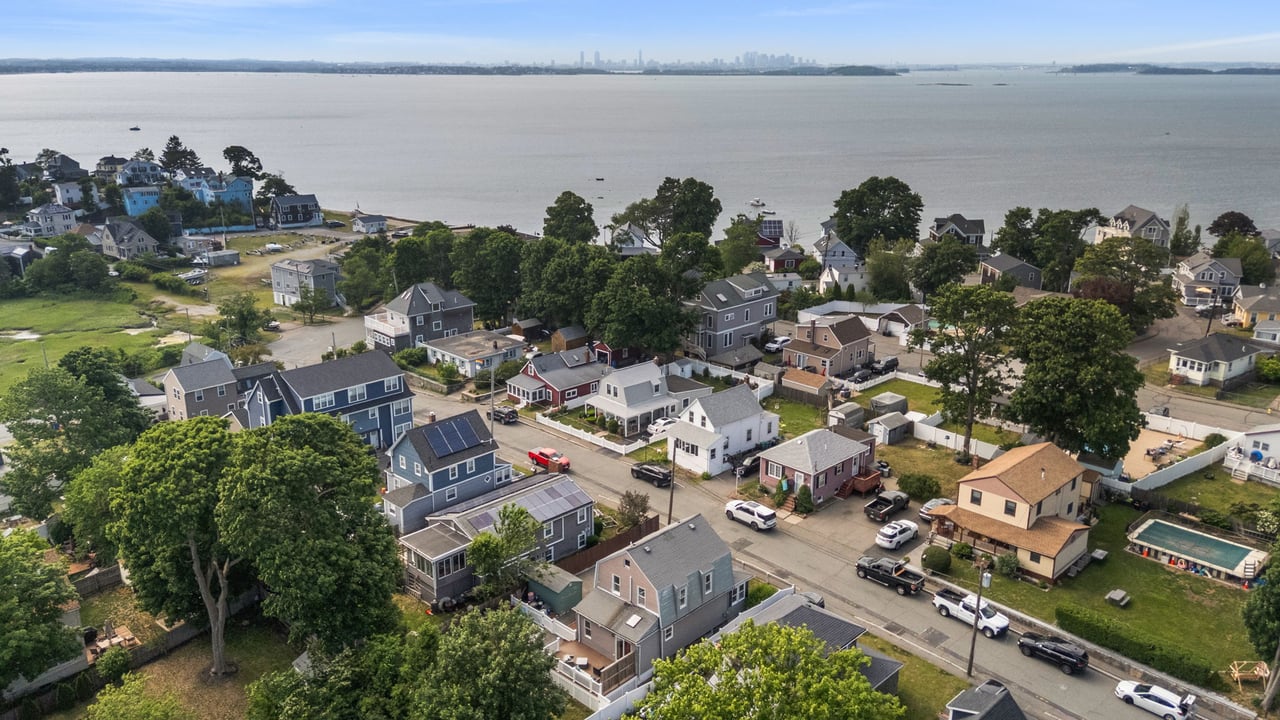
Proximity to the coast and harbor views can add value. At the same time, flood zones and potential insurance requirements can affect financing and buyer comfort. For accurate pricing, a CMA should consider both the premium for views and the practical impacts of flood risk.
New construction and renovations
New condo developments and tastefully renovated units can set fresh benchmarks. If your home is updated, the CMA should reflect the market’s response to modern kitchens, baths, and systems.
Zoning and taxes
Local zoning and allowable uses influence demand, especially for multi-family or conversion potential. Property tax assessments shape expectations and should be verified with local records in your CMA.
Investor activity
In some areas, investor demand can influence pricing and days on market. A CMA for multifamily or income-focused properties should incorporate rental comparables and return metrics to reflect how investor buyers evaluate value.
Pricing strategy for sellers
Your strategy should match your goals, timeline, and the CMA’s evidence.
- Market-price approach: List at a level supported by the most relevant comps to attract motivated buyers and encourage solid early offers.
- Aggressive pricing: List slightly under the likely value to maximize showings and aim for multiple offers. If used incorrectly, it can leave money on the table.
- Premium pricing: List above the comps when your property is uniquely upgraded and supply is tight. This carries higher risk of longer days on market and price reductions.
Build in contingency plans. If traffic or offers lag, agree on checkpoints to review fresh comps and adjust.
How buyers use a CMA
As a buyer, a CMA helps you set a confident offer range. It shows which sales truly match the home you want, how current listings set the competitive landscape, and where you can justify your number. It also prepares you for appraisal outcomes by anchoring your offer in recent, relevant sales.
Use the CMA to structure contingencies and timing. If multiple offers are common, your agent can help you pair a strong price with terms that still protect your interests.
Common pitfalls to avoid
- Overweighting list prices. Asking prices are strategies, not outcomes. Prioritize closed sales.
- Cherry-picking comps. A fair CMA includes both helpful matches and counterexamples, with clear logic for why each was included.
- Ignoring momentum. Old sales can mislead if the market’s direction has shifted. Update comps regularly.
- Missing condition differences. Renovated vs not renovated, or flood insurance implications, can materially change value.
When to seek an appraisal
If a lender requires it, you will need an appraisal for underwriting. You can also consider an appraisal for unique, complex, or high-value properties where a formal, defensible valuation is helpful.
Questions to ask your agent
- Which sold, pending, and active comps did you choose, and why are they the best match for this property and location?
- What time window did you use, and how does it reflect current market speed?
- How did you account for condition, renovations, and features like parking, outdoor space, and views?
- How do pending and active listings influence your recommended price or offer range right now?
- What is the plan if we do not get acceptable offers within the expected timeframe?
Seller checklist to lift your price
- Complete minor repairs and declutter to improve first impressions.
- Stage key rooms and improve curb appeal.
- Use professional photography and, when appropriate, video or drone to showcase features.
- Provide documentation for recent upgrades, permits, and warranties.
- Align your launch timing and open house strategy with current market momentum.
Real Quincy examples
These scenarios show how a CMA adapts to local context.
Renovated single-family near transit
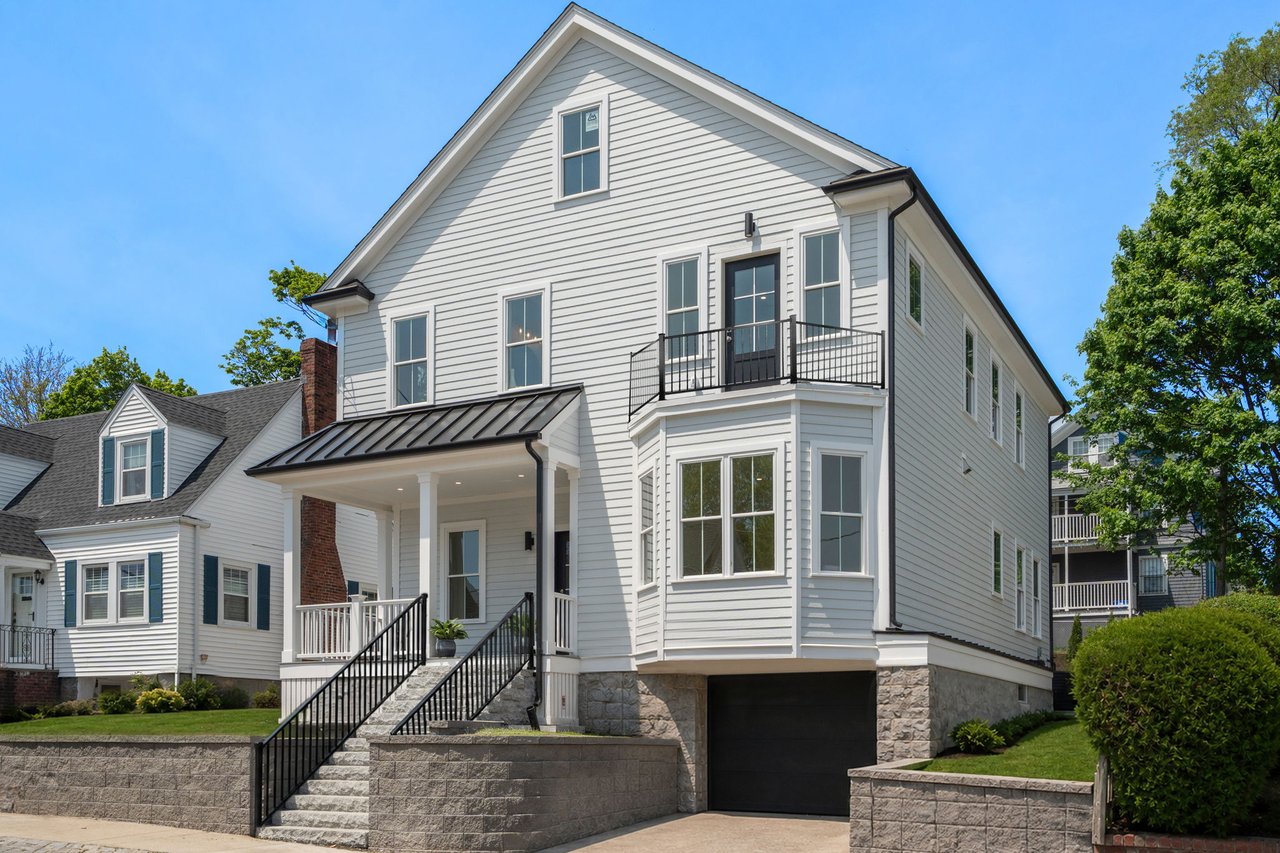
A three-bedroom in Wollaston near a Red Line stop may justify a premium versus similar homes farther from transit. The CMA would compare renovated homes in the same micro-area, adjust for lot size and parking, and gauge whether multiple offers are common right now.
Waterfront condo with amenities
A Marina Bay condo with views and garage parking would be compared to recent closings in the same complex or nearby buildings. The CMA would balance the value of views and amenities with any flood zone and insurance requirements that affect financing and buyer demand.
Small multifamily with investor interest
A two- or three-unit property in Germantown may require both sales comps and rental comparables. The CMA would factor in unit condition, potential maintenance needs, local zoning, and investor return metrics to align pricing with the target buyer pool.
Your next step
A CMA is your clearest path to a confident price in Quincy. It translates recent sales, neighborhood nuances, and market momentum into a range you can act on. Whether you are listing or making an offer, you deserve a local, human-driven analysis that reflects how buyers are deciding today.
If you want a fast, well-documented CMA and a pragmatic pricing plan, reach out to Colleen Foulsham. You will get a boutique, team-powered experience with clear guidance from first pricing conversation to closing.
FAQs
What is a CMA for a Quincy home?
- A CMA is an agent-prepared analysis that compares your Quincy property to recent local sales and current listings to estimate a supported price range.
How is a CMA different from an appraisal in Massachusetts?
- An appraisal is a formal valuation by a licensed appraiser for lending or legal purposes, while a CMA is a market-focused pricing tool for decisions on listing or offers.
Why do Quincy neighborhoods change the CMA result?
- Micro-markets like Marina Bay, Quincy Center, and Wollaston have different buyer pools, amenities, and transit access that affect demand and price per square foot.
How do flood zones affect CMA pricing near Adams Shore?
- Coastal views can add value, but flood zones and insurance requirements can impact financing and buyer comfort, which a CMA should weigh in pricing.
How should a Quincy buyer use a CMA before offering?
- Use the CMA to set a target offer range based on true comparable sales, current competition, and expected appraisal outcomes for that specific property.