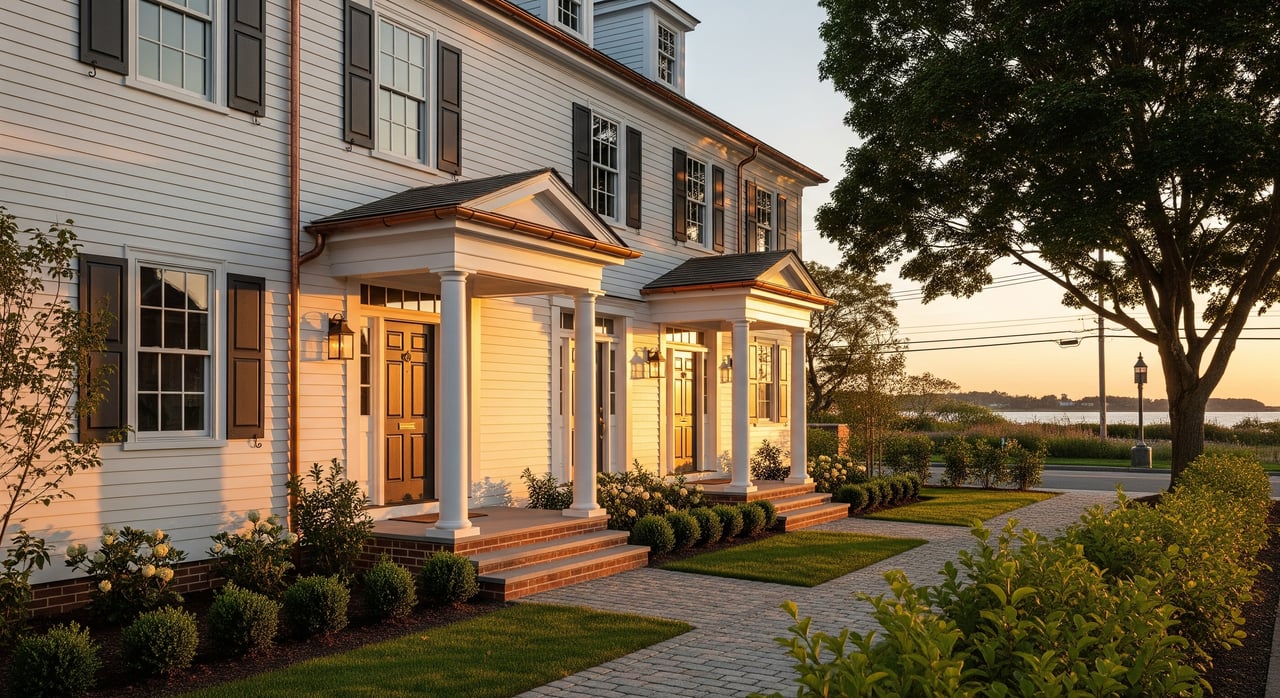
Thinking about living in one unit and letting a tenant help cover your mortgage? If you are eyeing Weymouth for your first purchase or a strategic move, a duplex house hack can be a smart way to reduce housing costs and build equity. You will learn what to check with the town, how financing works for 2-unit properties, what the numbers should look like, and what it really takes to be a landlord in Massachusetts. Let’s dive in.
What house hacking a duplex is
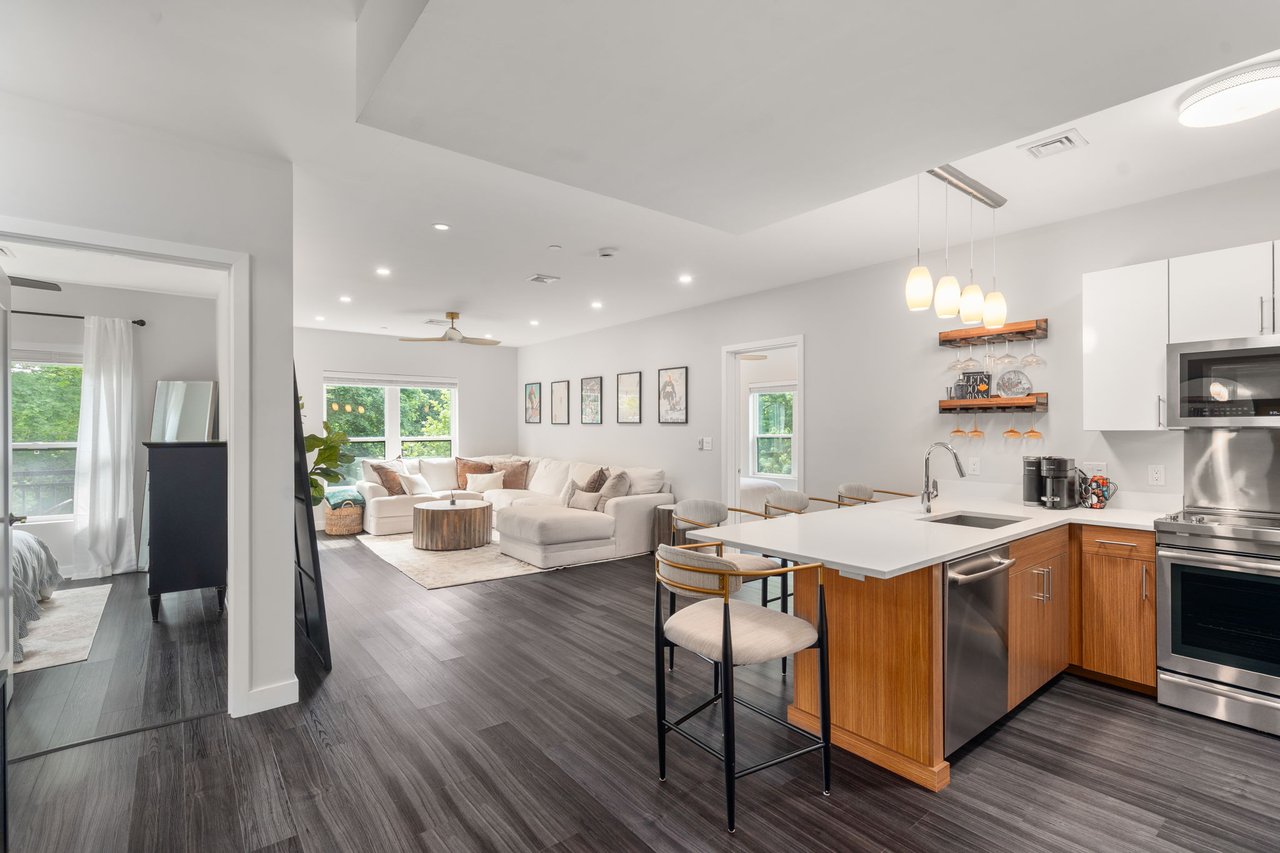
House hacking means buying a 2-unit home, living in one unit, and renting the other to offset your monthly costs. Duplexes are popular because owner-occupant loans often have lower down payments and rates than pure investment loans. You can qualify using part of the rental income while still getting primary-residence terms. The setup keeps management simple since you live onsite and have direct oversight of your investment.
Why Weymouth fits house hacking
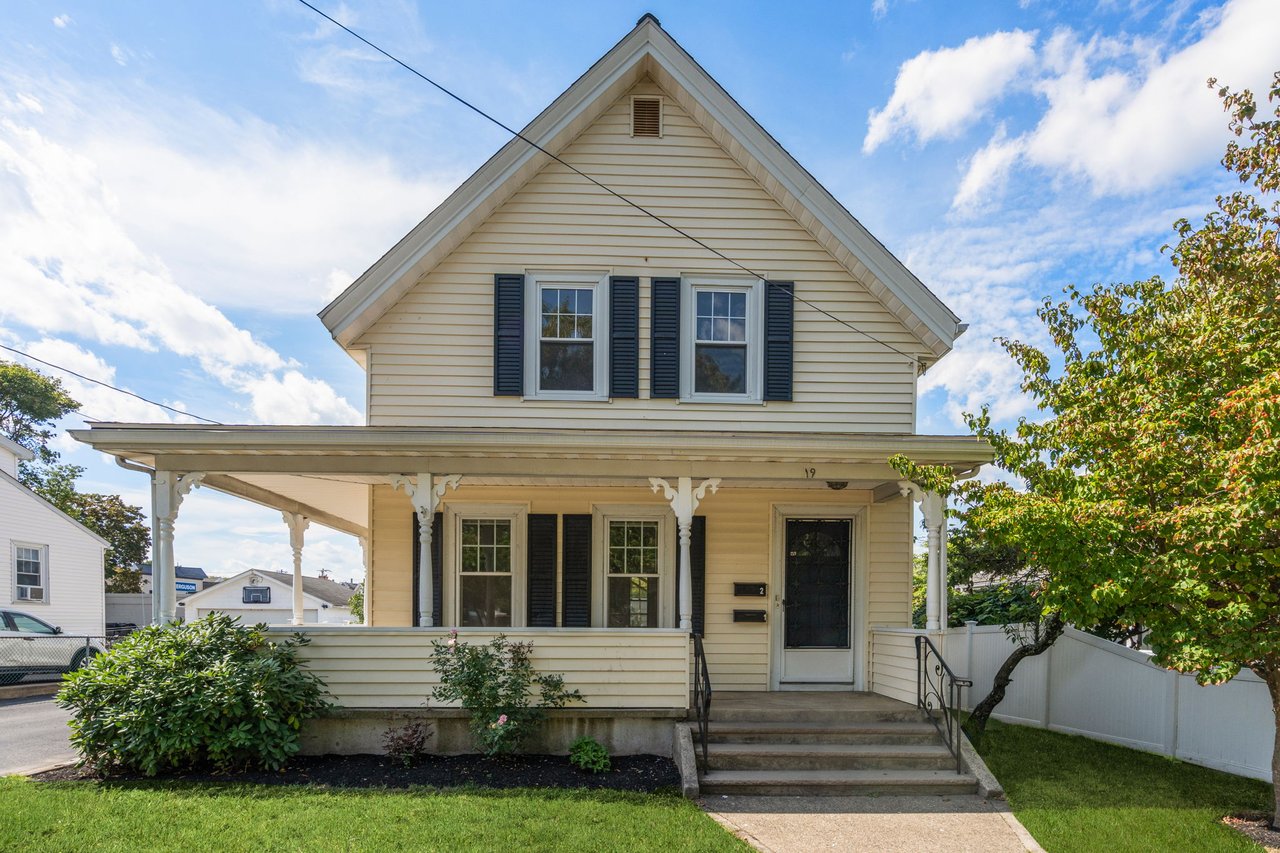
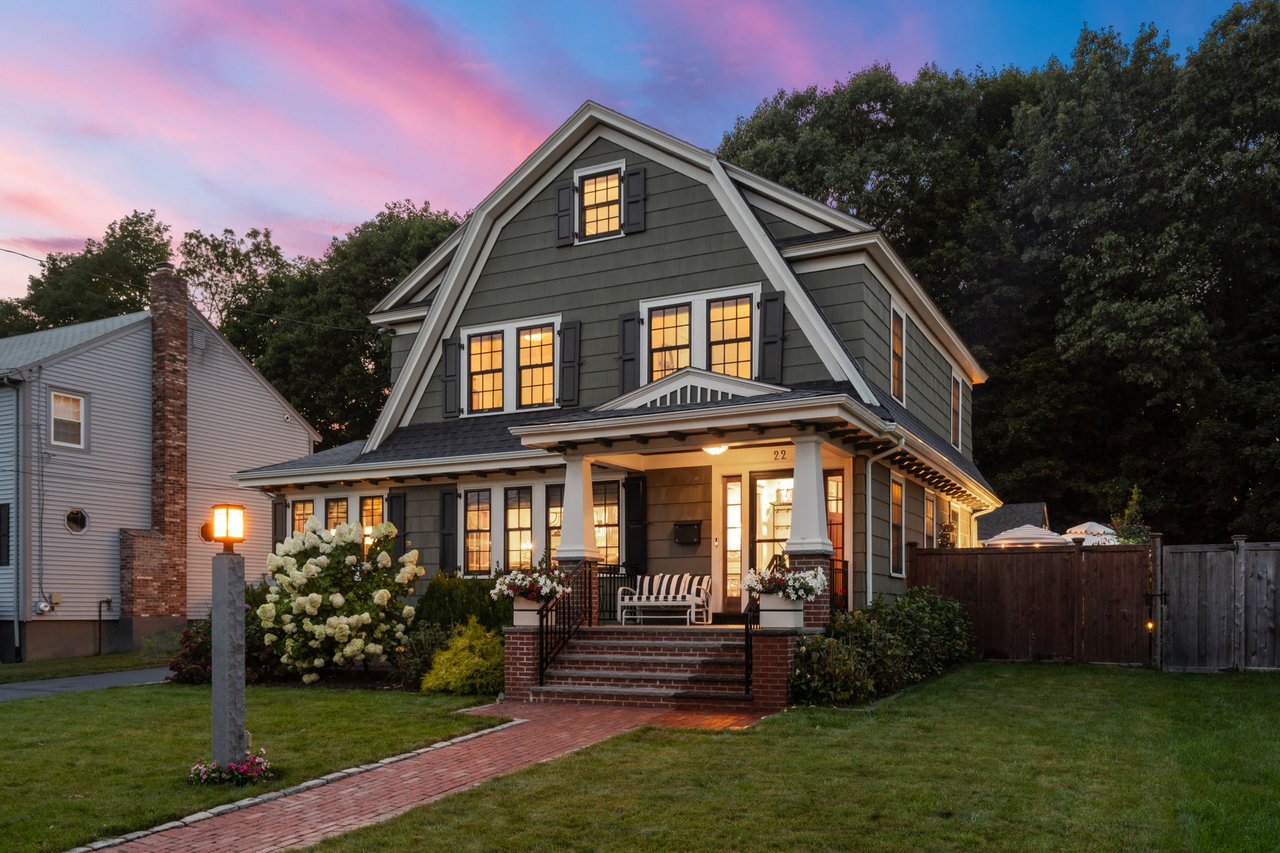
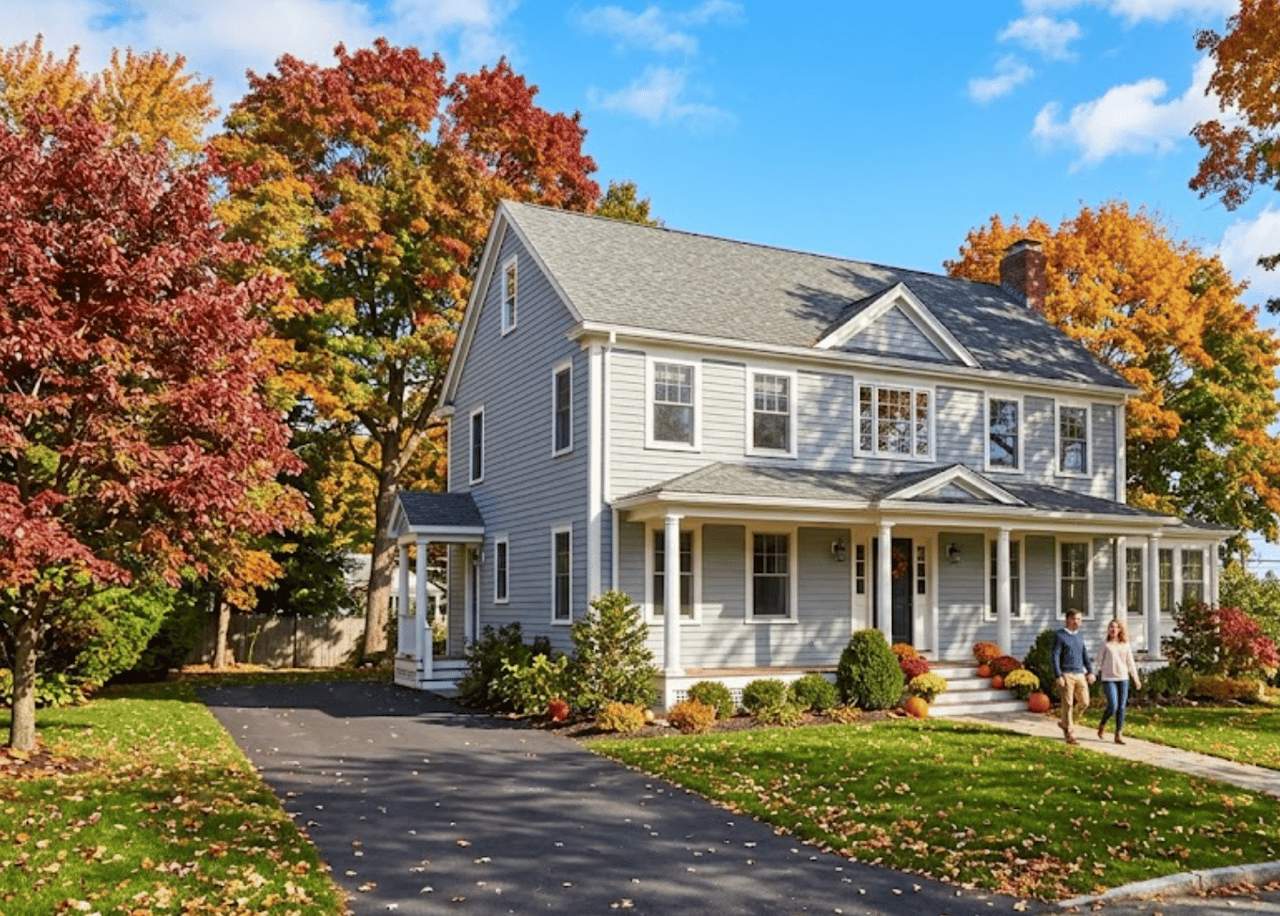
Weymouth sits close to Greater Boston job centers and commuter connections, which supports steady renter demand. Access to MBTA routes and nearby transit hubs makes two-family homes attractive to renters who value convenience. You will also find established neighborhoods with older two-family properties that can be improved for better cash flow.
If commute access is part of your decision, review current schedules and stations on the MBTA site. For property-specific rules and records, start with the Town of Weymouth.
Zoning and permits in Weymouth
Before you tour a duplex or plan a conversion, confirm what is allowed on that specific lot. Review the Zoning Bylaws for whether two-family dwellings are permitted in the district, along with minimum lot size, setbacks, parking, and any special permit triggers. For an accurate read, contact Weymouth’s Building and Planning staff through the town website.
If you want to convert a single-family to a duplex, budget time for zoning review and building permits. Massachusetts State Building Code will drive requirements for egress, fire separation between units, and utilities. Ask your inspector to evaluate structure, electrical, plumbing, heating, roof, and sewer or septic so you know what upgrades could be required to meet code.
Safety, lead, and rental compliance
Massachusetts rentals must meet health and safety standards. If the home was built before 1978, you must provide lead paint disclosures, and renovations must follow the EPA Renovation, Repair and Painting rules. Learn the essentials on the EPA lead page.
MA law also requires smoke and carbon monoxide detectors and has specific rules for rental properties. You can find statewide housing and landlord resources at Mass.gov. Some towns require rental registration or rental inspections. Confirm with Weymouth’s Building or Health Department via the town website whether any local rental registration applies to your address.
Financing options for a duplex
Owner-occupant loan programs are a major advantage of house hacking:
- FHA loans allow low down payments on 2 to 4 units for eligible buyers, typically with an occupancy requirement. Learn more about FHA guidance at HUD.
- Conventional loans for owner-occupants of duplexes often require higher down payments than FHA, with stricter credit and debt-to-income standards.
- VA loans may be available to eligible veterans for 2 to 4 unit owner-occupied properties.
- Renovation loans, such as FHA 203(k), can finance purchase plus rehab if you plan improvements to boost rents or complete a conversion.
Owner-occupant loans usually carry lower rates than investor-only products, which can improve your monthly cash flow and long-term returns.
How lenders count rental income
Most lenders will include a portion of the rental income from the other unit to help you qualify. A common approach is to count 75 percent of market rent for the rented unit, which builds in a cushion for vacancy and expenses. To use rent in underwriting, be prepared to provide an existing lease or an appraiser’s rent schedule as documentation. If units are vacant, lenders typically rely on market-rent estimates from the appraisal and use a discounted percentage.
Run the numbers with a pro forma
Before you make an offer, test a few conservative scenarios. Use this simple framework to evaluate any Weymouth duplex:
- Gross scheduled rent: monthly rent per unit x number of units x 12
- Vacancy allowance: 5 to 10 percent of gross scheduled rent
- Effective gross income: gross scheduled rent minus vacancy allowance
- Operating expenses (annual):
- Property taxes
- Insurance for landlord use
- Utilities you pay as the owner
- Maintenance and repairs
- Property management if used
- Miscellaneous costs such as legal, accounting, and any HOA
- Net operating income (NOI): effective gross income minus operating expenses
- Debt service: annual principal and interest on your mortgage
- Cash flow before tax: NOI minus debt service
- Cash-on-cash return: cash flow before tax divided by cash invested, times 100 percent
Want a quick stress test? Try these checks:
- Break-even rent per unit = (debt service + total operating expenses + vacancy allowance) divided by number of units.
- Use conservative vacancy and maintenance estimates, and assume turnover periods between tenants.
- If utilities are shared, add a buffer for increased owner-paid costs.
Inspections and unit setup checklist
Weymouth has many older two-family homes, so condition varies widely. Prioritize the following during due diligence:
- Structure and foundation condition
- Roof, gutters, and drainage
- Electrical capacity and wiring age
- Heating and hot water systems, especially if shared between units
- Plumbing and sewer or septic
- Smoke and carbon monoxide detectors and egress compliance
- Presence of separate utility meters for gas, electric, and hot water
- Potential lead paint or asbestos in pre-1978 homes
Separate meters simplify billing and reduce disputes. If systems are shared, reflect that in your lease, and consider submetering if feasible and allowed.
Landlord rules to know in Massachusetts
Massachusetts has detailed landlord-tenant laws. Highlights include:
- Security deposits have strict limits and handling requirements, including escrow and interest in some cases.
- Notices and eviction procedures must follow state rules and go through the courts. Self-help evictions are illegal.
- Units must be habitable with heat, hot water, safe structure, and functioning utilities.
- Required disclosures include lead paint for pre-1978 homes and clarity on how utilities are billed if meters are shared.
Review official state resources on Mass.gov and consult a local attorney as needed to stay compliant.
Operating tips for owner-occupants
Being a neighbor and a landlord can work well if you set clear expectations from day one.
- Use consistent, written screening criteria and keep documentation to meet fair housing laws.
- Decide if you will self-manage or hire a manager. Self-management can save money but requires knowledge of MA law and time for maintenance and leasing.
- Inform your insurance agent that you will live in one unit and rent the other. Ask about landlord policy options and liability coverage.
- Build a maintenance reserve so repairs do not disrupt your cash flow, and schedule seasonal upkeep to protect the property.
Your next steps in Weymouth
- Verify zoning and permitted use for your target address with the Town of Weymouth, and ask the Building Department about any rental registration.
- Get pre-approved with a lender experienced in 2 to 4 unit owner-occupant loans. Review FHA, conventional, VA, or renovation options with them and confirm occupancy rules.
- Tour candidate duplexes and line up an inspector who knows multifamily systems and MA code considerations.
- Build your pro forma with real local numbers for taxes, insurance, utilities, and rents. Consult a CPA on income tax and depreciation.
- Plan your timeline for any renovations and confirm permit requirements before closing.
Ready to explore active two-family opportunities and run the numbers on the right properties for you? Connect with Colleen Foulsham for a local, boutique plan to house hack in Weymouth with confidence.
FAQs
Can I buy a Weymouth duplex with FHA financing?
- Yes, FHA commonly finances 2 to 4 unit owner-occupied properties, subject to eligibility and occupancy rules; see guidance at HUD.
Do I need to live in the Weymouth duplex I buy?
- Owner-occupant loans usually require you to move in within a set period and intend to live there for about 12 months; confirm specific rules with your lender.
How do I confirm a Weymouth home is a legal two-family?
- Check the zoning district, permitted use, and past permits with the Building and Planning teams via the Town of Weymouth.
What inspections matter most for older two-family homes?
- Focus on structure, roof, electrical, heating and hot water systems, plumbing and sewer or septic, life-safety items, and separate meters if possible.
What Massachusetts landlord rules should I know first?
- Understand security deposit handling, habitability standards, required disclosures including lead, and the formal court process for any eviction; see Mass.gov.