Trying to choose between a Boston condo and a single-family home? The right answer varies by neighborhood, budget, and how much maintenance you want to handle. You want clarity you can trust, not hype. In this guide, you’ll learn how Boston’s condo and single-family markets differ on price, financing, lifestyle, and risk, plus what to check before you buy or sell. Let’s dive in.
Boston housing at a glance
Condos shape the core
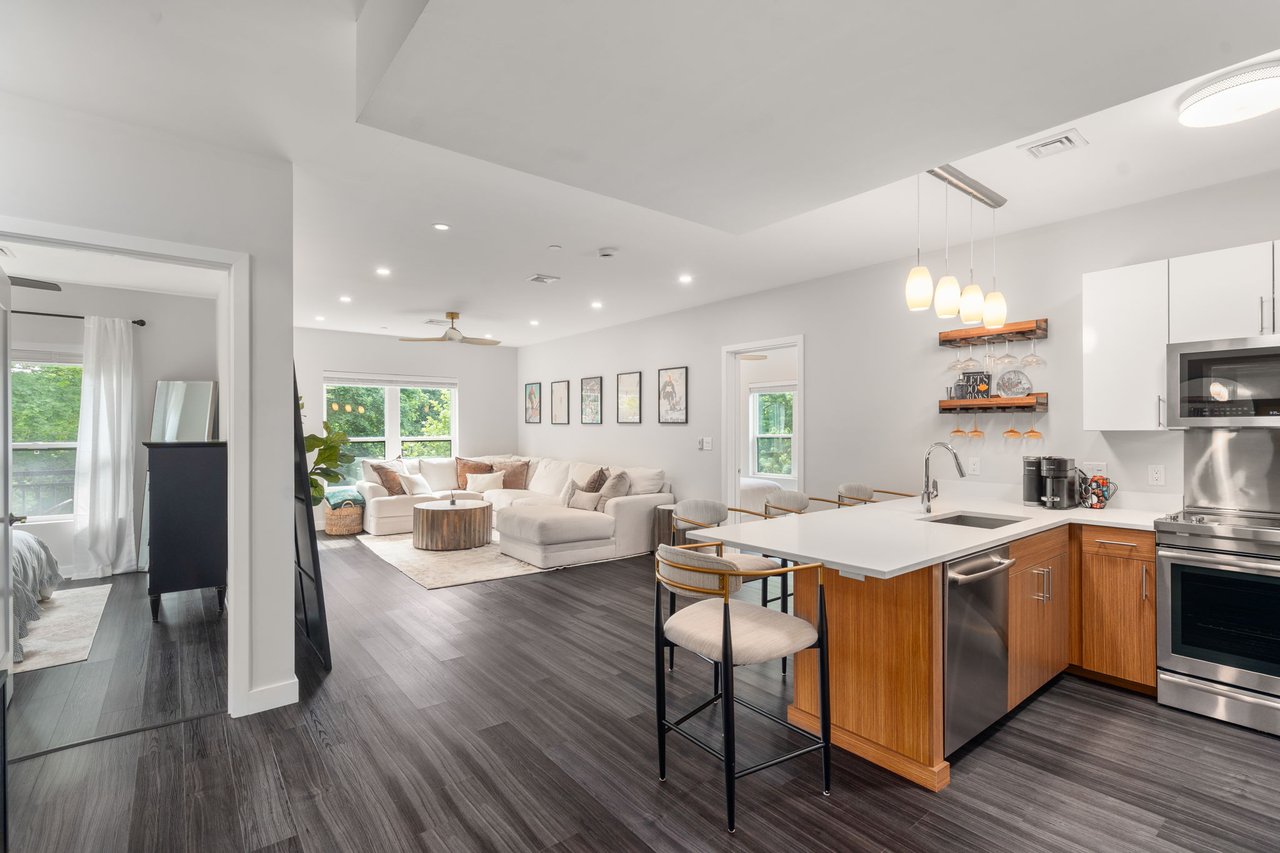
In Boston’s core neighborhoods like Back Bay, Beacon Hill, the South End, Seaport, and Downtown, condos dominate the housing stock. You’ll find a wide range of units, from brownstone conversions to amenity-rich towers. Price per square foot tends to be higher here because of location and building features. Inventory for single-family homes in these areas is limited.
Single-family in outer areas
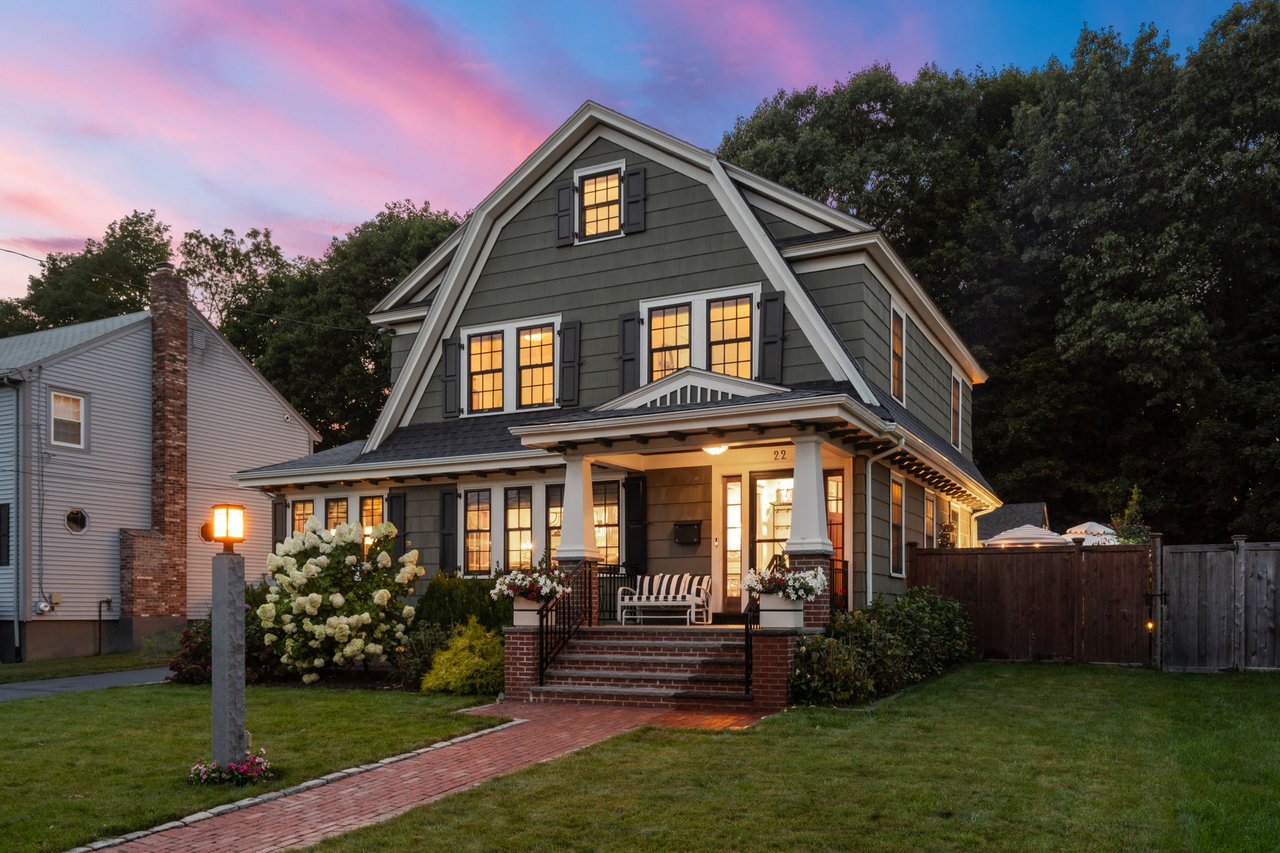
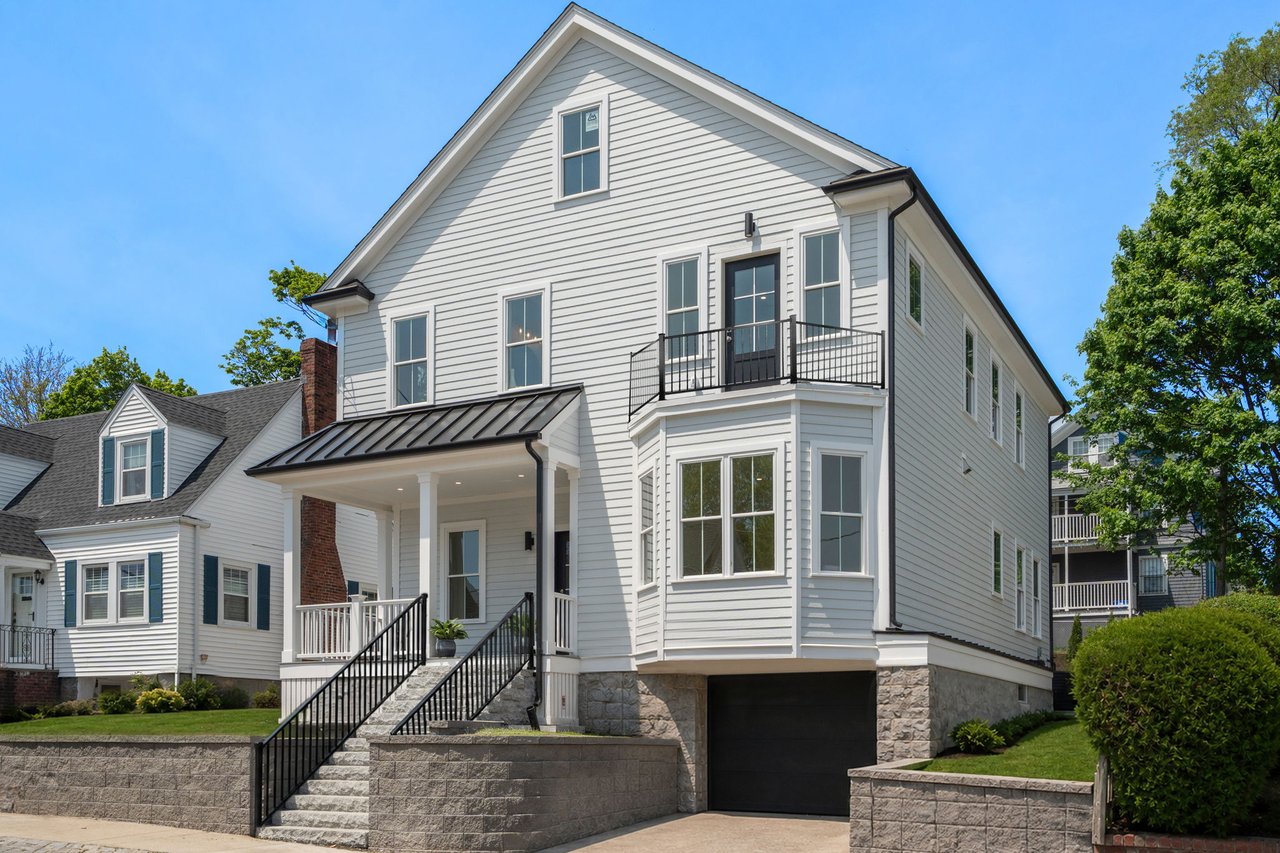
Single-family homes are more common as you move into outer Boston neighborhoods such as Jamaica Plain, Roslindale, West Roxbury, and parts of Dorchester. You’ll also see more single-family options in nearby Suffolk County municipalities like Winthrop, Revere, and Chelsea. These homes appeal if you prefer private outdoor space, driveways or garages, and more control over the property.
Price and value realities
Price per square foot vs sticker price
In the core, condos often sell for a higher price per square foot. Single-family homes, however, can carry a higher total price because of larger lots and more living area. What matters for you is how you plan to use the space and what drives long-term value in your target neighborhood.
HOA fees and maintenance tradeoffs
Condo fees cover shared expenses like building insurance, exterior upkeep, and sometimes heat and water. Fees vary widely depending on building size and amenities. Special assessments can arise if reserves are low or major projects come due. With a single-family home, you skip monthly condo fees, but you take on all maintenance, insurance, and repairs yourself.
Financing differences to expect
Condo project approval
Lenders often apply extra review to condos. They look at the association’s budget, reserves, owner-occupancy and rental ratios, and any litigation. Some buildings are not approved for FHA or VA loans, which can limit loan options or require larger down payments. Verifying a building’s approval status early helps you avoid surprises.
Down payments, reserves, and rates
Conventional loans are common for both property types. For condos, lenders may ask for larger down payments if reserves are weak or if investor concentration is high. Interest rates are usually similar, but loan size relative to conforming or jumbo thresholds can affect pricing. A lender familiar with Boston condos can flag building-level issues before you make an offer.
Lifestyle, rules, and control
Amenities and HOA basics
Condos can offer conveniences like elevators, gyms, roof decks, and professional management. The tradeoff is you follow building rules on renovations, rentals, pets, and noise. Review the master deed, bylaws, house rules, recent meeting minutes, and insurance certificates to understand daily living and long-term costs.
Renovation freedom and parking
Single-family homes give you more autonomy on exterior choices and additions, subject to zoning and permits. You also control your yard, snow removal, and storage. Parking is a key question in both cases. In condos, check for deeded spaces, assigned spots, or waitlists. For single-family homes, confirm driveway or garage access and any easements.
Risk and resilience factors
Flood zones and insurance
Parts of Boston’s waterfront and low-lying areas, including sections of the Seaport, East Boston, and the South Boston waterfront, face flood risk. If a property sits in a FEMA Special Flood Hazard Area and you use a federally regulated mortgage, flood insurance is typically required. Climate-driven insurance costs are rising, so factor premiums and deductibles into your budget.
Building age and special assessments
Older condo buildings, such as brownstones or converted triple-deckers, may carry higher long-term maintenance needs. If reserves are thin, you could see special assessments for roof, masonry, or system upgrades. In single-family homes, you bear those capital costs yourself, so a thorough inspection and a future maintenance plan are essential.
Neighborhood snapshots
Core neighborhoods: condo-centric
Back Bay, Beacon Hill, the South End, the Seaport, and Downtown are primarily condo markets with limited single-family inventory. Expect higher price per square foot, shared amenities, and strong demand from professionals, downsizers, and investors.
Transitional areas: mixed options
Charlestown, East Boston, and parts of South Boston and the North End offer a mix of condos, rowhouses, and some single-family homes. These areas often balance walkability with more varied unit types.
Outer neighborhoods: more single-family
Jamaica Plain, Roslindale, West Roxbury, and parts of Dorchester offer more single-family options, larger lots, and added space while staying connected to city amenities and transit.
Nearby Suffolk municipalities: value tradeoffs
Winthrop, Revere, and Chelsea can provide different affordability and commute tradeoffs. You may find more single-family choices alongside smaller condo buildings, depending on the street and subarea.
Which option fits your goals?
- First-time buyer: A condo can offer a lower entry price and less direct maintenance. Review HOA health and rules carefully.
- Household seeking space: A single-family home often provides more bedrooms, a yard, and parking, with more control over improvements.
- Downsizer: A well-managed condo offers convenience and amenities close to services and transit.
- Investor: Condos can work if the association permits rentals and financials are strong. Single-family rentals may deliver control and flexibility.
Due diligence checklists
For condo buyers
- Review HOA financials: current budget, reserves or reserve study, and any recent or planned special assessments.
- Examine governing documents: master deed, bylaws, rules, and meeting minutes from the past 6–12 months.
- Confirm insurance: association’s master policy type and limits; your HO-6 needs for interior and contents.
- Check project eligibility: FHA/VA status, owner-occupancy ratio, rental policies, and any litigation.
- Inspect the building: roof, masonry, HVAC, plumbing, electrical, and any open building violations.
- Verify parking and storage: deeded rights, assigned spaces, fees, and waitlists.
For single-family buyers
- Schedule a full inspection: foundation, roof, mechanical systems, drainage, and any signs of deferred maintenance.
- Review zoning and permits: confirm past work and understand limits on additions or accessory structures.
- Confirm title items: easements, rights of way, and any deed restrictions.
- Check taxes and utilities: assessment history, estimated insurance, and expected utility costs.
For sellers (both types)
- Prepare documents early: HOA packet for condos, inspection reports, lead paint disclosure if applicable, and clear title information.
- Price with context: compare per-square-foot and recent comps by property type and neighborhood, and account for condo fees where relevant.
- Market the right story: highlight location, maintenance vs. autonomy, parking, storage, and access to services and transit.
Legal and policy basics
- Massachusetts Condominium Law governs condo formation and operations, including master deeds, bylaws, and disclosures.
- Condo conversions and tenant protections exist at the state and local level; rules can vary and change.
- Property taxes are municipal, based on assessed value; exemptions and rates vary by city.
- For flood-prone properties, lenders typically require flood insurance; confirm coverage availability and cost.
Smart next steps
- Get preapproved with a lender who understands Boston condo project reviews and single-family financing.
- Narrow your search to a few target neighborhoods and compare condo vs. single-family options there, not just citywide.
- Use due diligence checklists early so you can act quickly and confidently when the right place hits the market.
When you want a clear, local plan for buying or selling, reach out to Colleen Foulsham. You’ll get a thoughtful, data-aware strategy and a boutique team that helps you move with confidence.
FAQs
Are Boston condos a better investment than single-family homes?
- It depends on the neighborhood, association health, rental policies, and your holding period; condos have lower direct maintenance, while single-family homes offer more control.
Do Boston condos appreciate as fast as single-family homes?
- Appreciation varies by cycle and area; condos in downtown areas can show strong per-square-foot gains, while single-family values can reflect land and size with steadier trends in outer areas.
Can I finance a Boston condo with FHA or VA?
- Many buyers can, but approval depends on the building’s status and financials; verify project eligibility with your lender early in the process.
How much are Boston condo HOA fees and what do they cover?
- Fees vary widely; they often include building insurance, exterior maintenance, and sometimes heat and water; always review the budget and what is included.
What hidden costs should condo buyers watch for?
- Special assessments, rising monthly fees if reserves are low, and limits on rentals or renovations that can affect value and flexibility.
Is flood insurance required in Boston?
- If a property is in a FEMA Special Flood Hazard Area and uses a federally regulated mortgage, lenders typically require flood insurance; consider premiums even if not required.