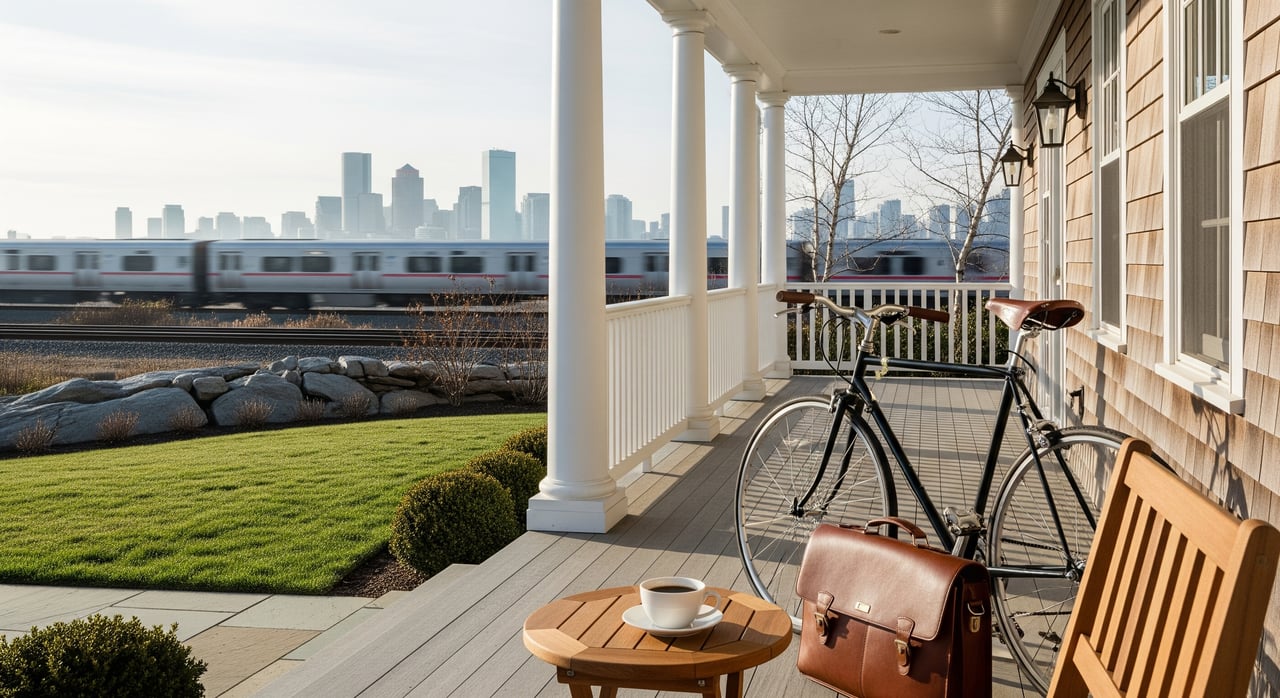
If you split your time between the South Shore and Boston, choosing the right home base can make your days smoother and your budget happier. Braintree and Quincy both offer strong access to the Red Line, highways, and major job centers, but the day-to-day experience feels different. In this guide, you’ll compare typical door-to-door times, last-mile options, parking, costs, reliability, and lifestyle trade-offs so you can pick the place that fits your routine. Let’s dive in.
Quick snapshot: key differences
- Quincy offers three Red Line stops in town, which means shorter rail rides to downtown Boston and more walkable station areas.
- Braintree is the Red Line terminus and a major hub with a large park-and-ride, plus connections to commuter rail and express bus options with different fares and frequencies.
- Driving access is strong from both towns via I-93 and Route 3, but peak congestion can be heavy, especially near the Braintree split and approaching Boston.
- Quincy’s core neighborhoods around Quincy Center, North Quincy, and Wollaston lean more walkable. Braintree’s station area is convenient to retail and parking, while many neighborhoods are more suburban and car-oriented.
- Bikeshare is more established in central Quincy. Braintree has more limited coverage, with local bike options varying by neighborhood.
Transit to Boston and Cambridge
Red Line ride times
If your goal is a quick train ride into downtown, Quincy usually wins on pure riding time. From Quincy Center or North Quincy, the Red Line ride to South Station often falls around 15 to 22 minutes, with Wollaston close behind. From Braintree Station, the same ride is typically longer, around 25 to 35 minutes. Always check current headways and any service changes on the MBTA Red Line schedule and plan your door-to-door trip with the MBTA trip planner. Add 5 to 12 minutes for walking, parking, and platform wait time depending on your starting point and time of day.
Commuter rail and express bus options
Braintree’s transit hub gives you extra choices beyond the subway. Some commuter rail or express bus trips can be faster to specific destinations at peak times, but they usually run less often than the Red Line and use different fare structures. If you want the predictability of frequent departures, the Red Line is the safer default. If your work hours match the schedule, the commuter rail or an express bus could save time to certain job centers. Compare timing and costs using the MBTA fares page and confirm services in the MBTA trip planner.
Getting to Seaport, Back Bay, or Cambridge
Your destination matters. Seaport, Back Bay, and Kendall Square usually add a transfer or short walk from South Station or Downtown Crossing. Expect your door-to-door time to reflect any transfer wait and walk time. For a real check, set your actual origin and destination in the MBTA trip planner and run it for your typical arrival window.
Driving realities and highway access
Both towns feed into I-93 northbound for Boston. Route 3 and Route 18 connect many South Shore neighborhoods to I-93, and Route 3A handles some east to west travel. In light traffic, door-to-door drives to central Boston can be in the 20 to 35 minute range. During peak inbound hours, plan for 35 to 60 minutes or more, especially near the Braintree split and as you approach the city. Check live conditions before you go and monitor regional updates from MassDOT.
Downtown parking is often limited and costly. Many commuters choose the train for predictable timing and to avoid daily parking fees. If you must drive, consider a hybrid plan: park at a suburban lot early, then hop on transit to finish the trip.
Parking, last mile, and walkability
Station parking at a glance
Braintree Station has one of the larger MBTA park-and-ride facilities on the South Shore and sees high weekday demand. Quincy’s station areas tend to have smaller MBTA or municipal lots and nearby street options, with availability that varies by block and time of day. Verify rates, capacity, and rules before you commit your routine using the MBTA parking page and individual station details.
Walkability near stations
Quincy Center, North Quincy, and Wollaston have denser, mixed-use pockets with shops and services near the stations, which suits a car-light lifestyle. In Braintree, the station area serves as a transit and retail hub, and South Shore Plaza is close by. Many Braintree neighborhoods are quieter and more suburban, so you may rely more on a car or bus to reach the station unless you live nearby.
Biking and Bluebikes
Bike infrastructure exists in parts of both towns, with varying levels of connectivity. Quincy has more established Bluebikes coverage in central areas, which can handle last-mile trips or quick errands. Braintree’s bikeshare access is more limited. Check the current Bluebikes system map to see station locations relative to your potential home and station.
What it costs to commute
- Red Line fares follow standard subway pricing. Commuter rail and express buses use different fare rules that vary by zone or route. Review current options and pass products on the MBTA fares page.
- MBTA station parking is typically fee-based and differs by lot or garage. Confirm daily pricing, payment methods, and any overnight rules on the MBTA parking page.
- Driving costs add up. Include city parking fees, possible tolls, fuel, and wear on your vehicle.
- If your employer offers commuter benefits, you may be able to pay transit and parking pre-tax. Ask your HR team how to enroll and which modes qualify.
Reliability and seasonal swings
The Red Line is frequent and generally reliable, but peak crowding and occasional delays can add time. Maintenance projects or weekend work sometimes trigger shuttle buses or service changes. Check the latest notices on MBTA service alerts before you head out. Commuter rail is dependable for many riders during peak windows, but its lower frequency means you should plan your timing carefully.
Driving is predictable by time window but less forgiving during incidents. Winter weather, crashes, or construction can create major slowdowns. Build buffer time when snow, rain, or game days are in the mix.
Real estate and lifestyle trade-offs
Living close to a Red Line station is a strong selling point in both towns and often commands a premium. Quincy’s station areas have seen more transit-oriented buildings and higher-density options, which appeal if you want walkable amenities and shorter rail rides. Braintree offers more traditional suburban choices, including larger lots and garages, while keeping a practical transit backup near Braintree Station.
If you are a frequent rail rider, living within a 10 to 15 minute walk of Quincy Center, North Quincy, Wollaston, or Braintree Station can make your weekdays simpler. If you drive most days, Braintree’s park-and-ride and direct highway access may matter more, while Quincy still offers efficient access to I-93 from many neighborhoods.
Projects and changes to watch
The MBTA is investing in track, signal, and fleet upgrades that can affect service in the short term and improve reliability over time. Follow updates in the MBTA Capital Investment Plan and check MBTA service alerts when planning weekday or weekend travel. Local redevelopment near stations in Quincy Center and Braintree’s transit and retail nodes can also add housing and services, which may shift parking and commute patterns as projects come online.
How to test your commute before you buy
- Run your exact morning and evening trips in the MBTA trip planner for a typical workday window.
- Try the trip in real life on a weekday. If you plan to park at a station, aim to arrive before 8 am and see how the lot fills.
- Time your walk or bike to the station from a few listing addresses you like.
- Drive at your expected departure time and compare results to a day with bad weather or an incident alert.
- Check the MBTA Red Line schedule and service alerts the morning of your test.
- Add up costs. Compare monthly pass or zone options on the MBTA fares page with a realistic estimate of parking, fuel, and city garage rates.
Which fits your commute?
- Choose Quincy if you want the shortest Red Line riding time, multiple station choices, and a walkable lifestyle near transit.
- Choose Braintree if you want more suburban space, bigger parking options, and a major park-and-ride while keeping the Red Line in your back pocket.
Either way, the right home will match your daily routine as much as your wish list. If you want a local guide to compare neighborhood-by-neighborhood commute trade-offs and preview homes within a 10 to 15 minute walk of your preferred station, reach out to Colleen Foulsham for a customized plan.
FAQs
Which town offers the faster Red Line ride to downtown Boston?
- Quincy usually delivers a shorter Red Line ride because its stations are closer to Boston, while Braintree’s trips include the longer end of the line.
How long should I budget door to door on transit?
- Add 5 to 12 minutes to the Red Line ride for walking, parking, and platform wait time, then verify your exact route in the MBTA trip planner.
Is station parking easier in Braintree or Quincy?
- Braintree has a larger park-and-ride that often fills on weekdays, while Quincy’s lots are smaller and vary by station, so check the MBTA parking page before you go.
Does bikeshare help with last-mile trips?
- Yes, in parts of Quincy where Bluebikes coverage is established it can close the gap to stations or errands; coverage in Braintree is more limited, so confirm on the Bluebikes system map.
How reliable is the Red Line from both towns?
- Both use the same Red Line trunk, with frequent service and occasional peak delays or planned work; check current MBTA service alerts before you travel.
What should I expect for commuting costs?
- Subway fares are standard, commuter rail or express buses cost more by zone or route, and station parking is fee-based, so review current options on the MBTA fares page and MBTA parking.