Buying your first place in Weymouth can feel like trying to hit a moving target. Prices are not entry-level in the way many buyers hope, competition is still real, and the town’s housing stock often comes with age, character, and a few repair questions. The good news is that with the right strategy, you can separate what is realistic from what is just stressful. In this guide, you’ll learn what a starter budget can buy in Weymouth, how to weigh location and transit tradeoffs, and where first-time buyer programs may help you move forward. Let’s dive in.
What a starter home means in Weymouth
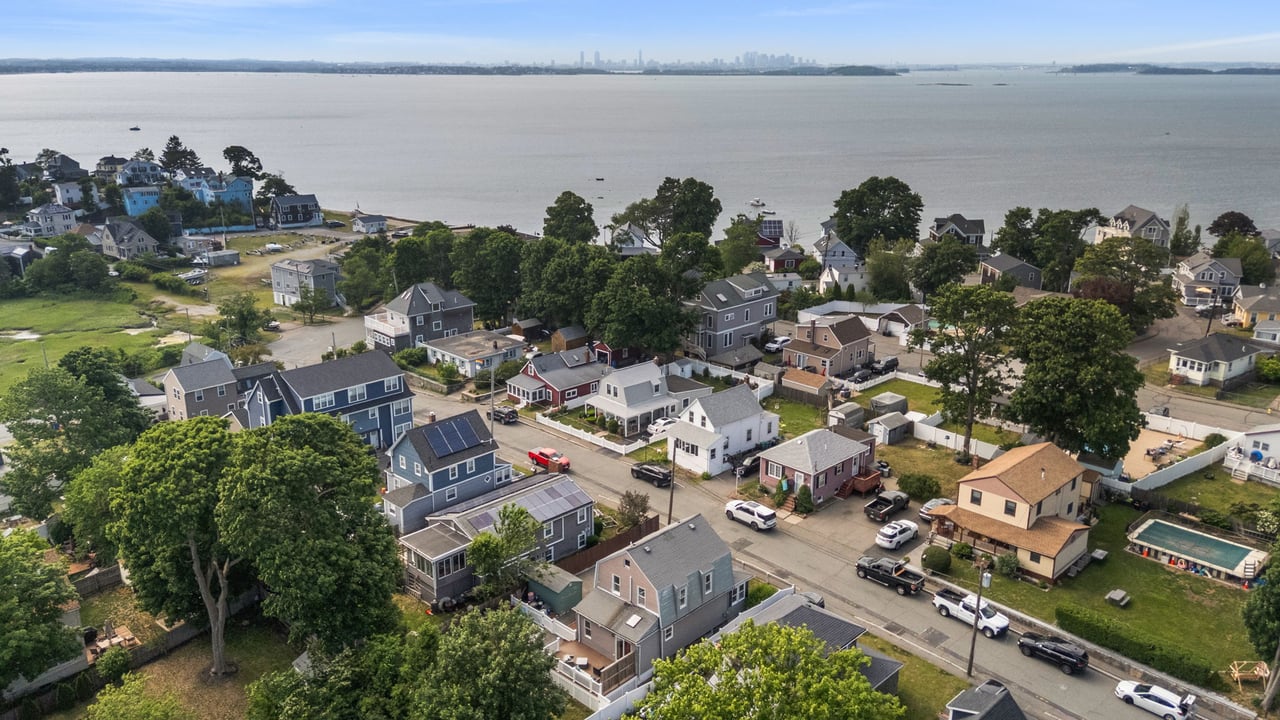
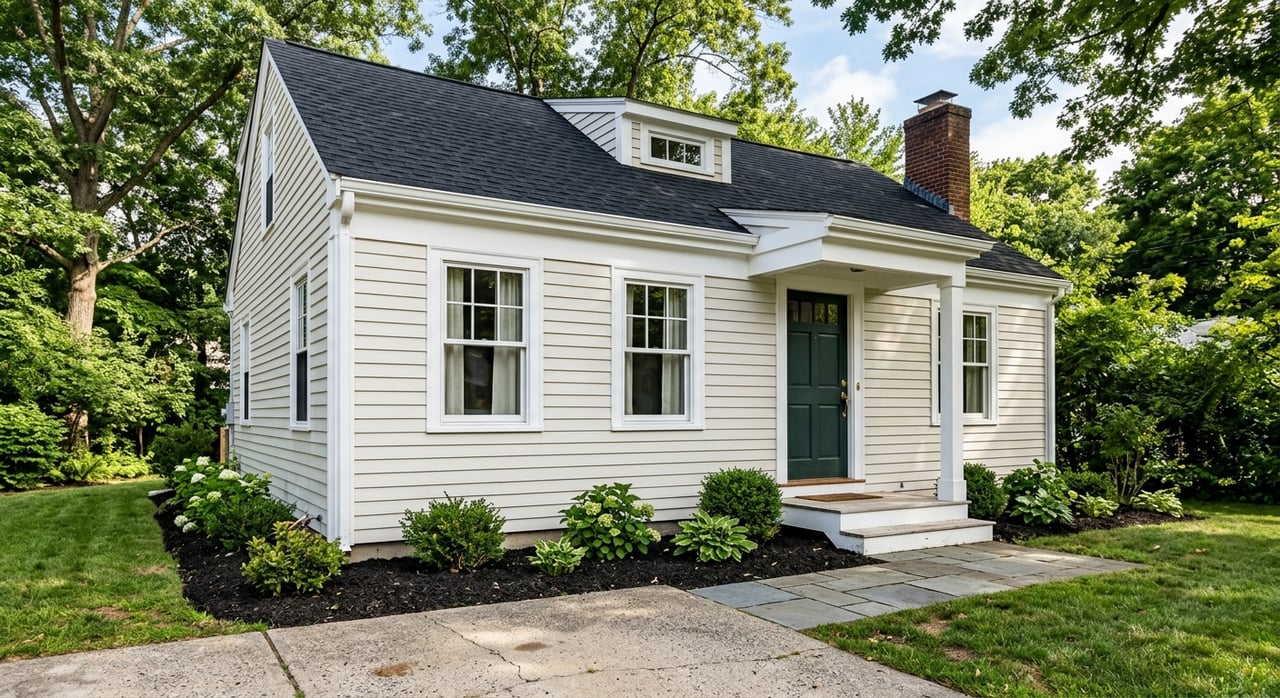
In Weymouth, a starter home often looks different than buyers expect. The town describes its housing stock as mostly single-family homes with apartment and condominium complexes mixed in, and it is organized around four village centers rather than a traditional downtown, according to the Town of Weymouth overview.
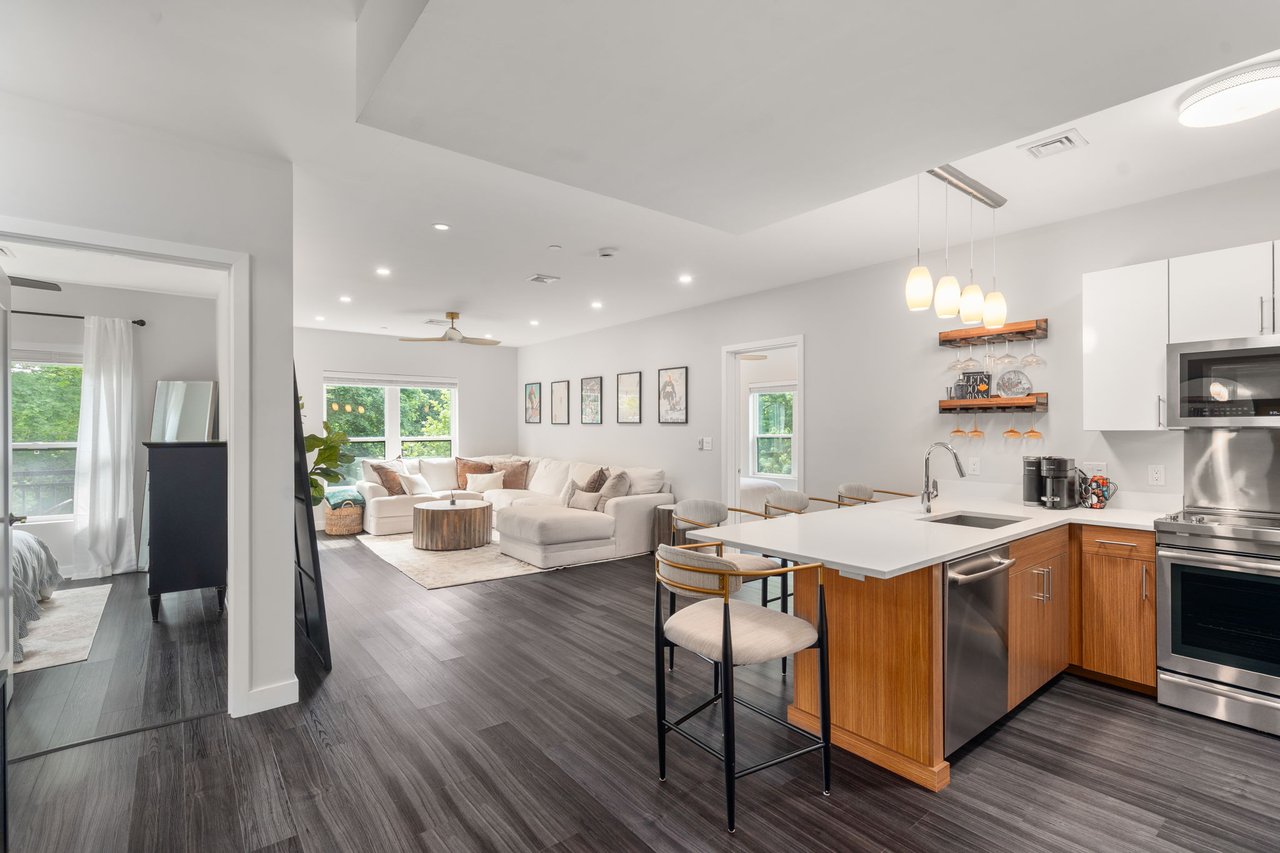
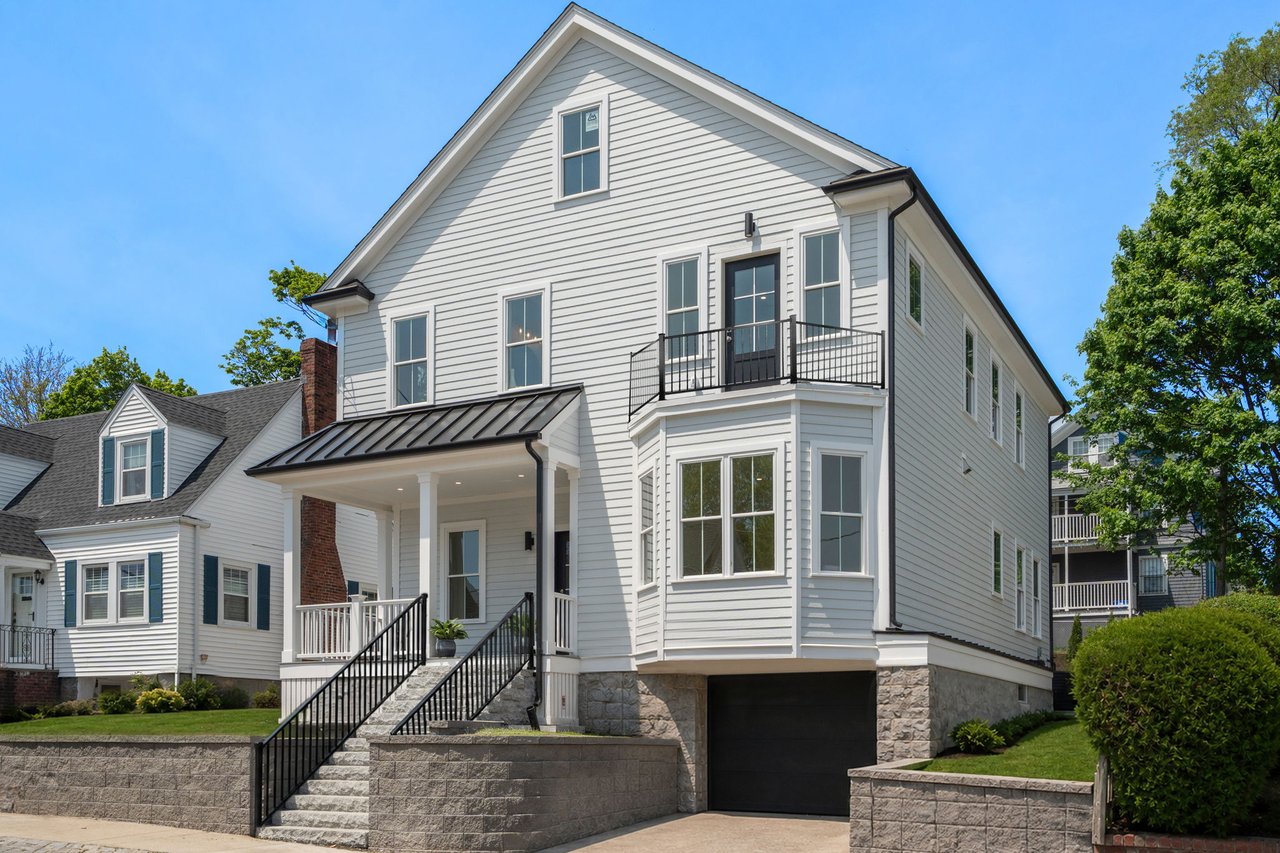
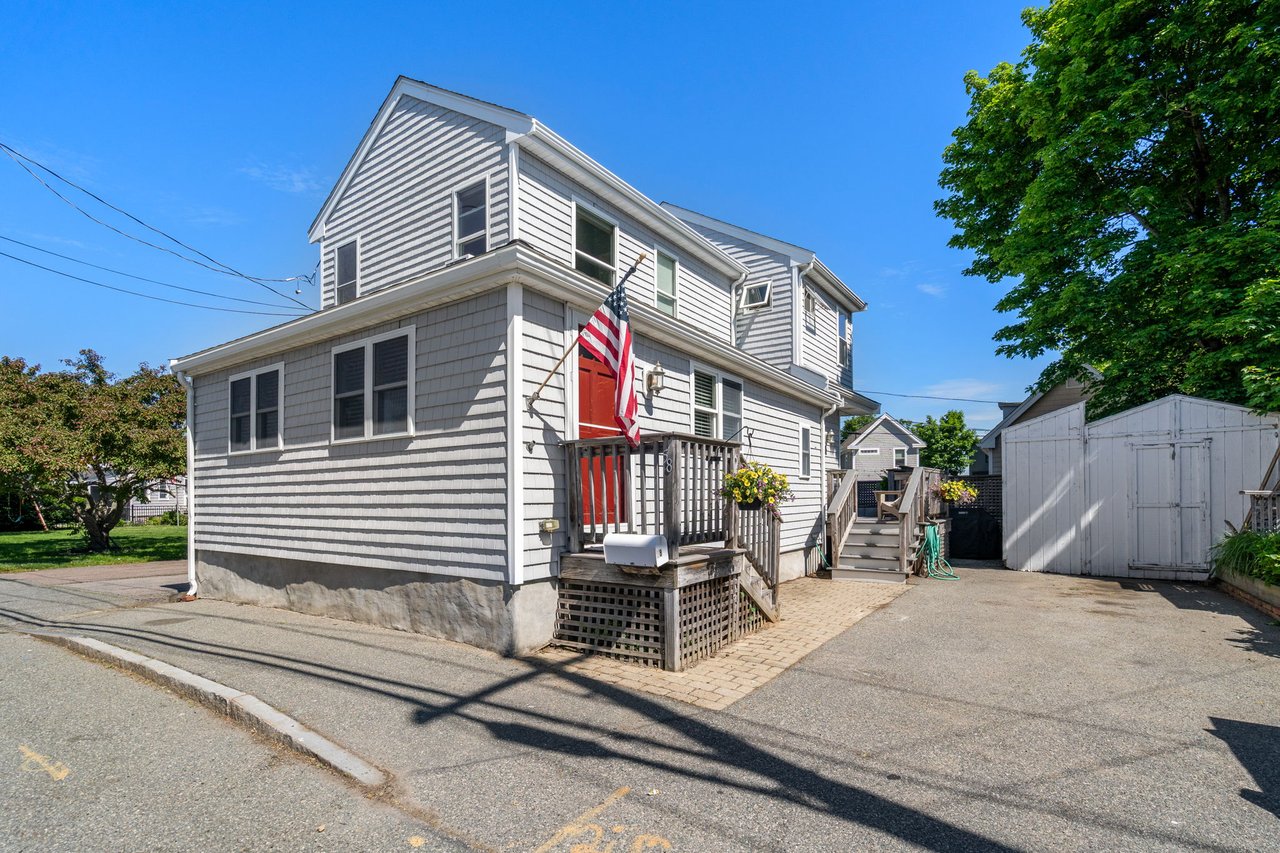
That matters because your first home here may be a condo, townhouse, or an older, smaller single-family house instead of a newly built detached home. Weymouth’s Housing Production Plan says 57% of housing units are single-family detached, while a meaningful share is in multifamily buildings and smaller attached formats. The same report notes that more than half of the town’s housing stock was built before 1959, so age is a major part of the starter-home conversation.
Weymouth price ranges to expect
If you are trying to set a realistic budget, current data suggests Weymouth is competitive but not impossible. Zillow reported a median sale price of $558,833, a median list price of $585,967, and a median time to pending of 16 days at the end of March 2026, according to its Weymouth market page.
Redfin’s February 2026 snapshot showed a median sale price of $644,000, 44 days on market, about 2 offers on average, and a 100.4% sale-to-list ratio on its Weymouth housing market report. Put together, those numbers point to a market where well-priced homes still move, but buyers may find some room to negotiate depending on condition, location, and competition.
For many first-time buyers, a practical starter-home range in Weymouth looks something like this:
- High-$200,000s to mid-$400,000s for smaller condo-style options
- Mid-$500,000s to low-$700,000s for many modest single-family homes and attached homes
That range is based on recent sales examples from Redfin, including a 2-bed condo at $269,000, a 1-bed unit at $460,000, a 3-bed home at $560,000, and a 2-bed townhouse at $712,000. It is a useful planning guide, not a fixed rule.
Budget beyond the mortgage payment
One of the easiest mistakes for first-time buyers is focusing only on the monthly mortgage estimate. Weymouth’s Census QuickFacts shows a median selected monthly owner cost with a mortgage of $2,575, compared with a median gross rent of $1,941.
That gap is important. Owning usually means budgeting for taxes, insurance, maintenance, and repair reserves in addition to principal and interest. In a town with many older homes and condos, it is smart to leave room in your budget for near-term fixes, system updates, or condo fees that may affect your monthly comfort level.
Where starter buyers should look
Weymouth is not a one-note market. Since the town is shaped around multiple village centers, your best fit often depends on whether you care most about transit, price point, neighborhood feel, or the possibility of newer development.
Weymouth Landing for transit access
If commuting is high on your list, Weymouth Landing is one of the clearest places to start. The town says Weymouth Landing sits on the border with Braintree, includes the Weymouth Landing/East Braintree MBTA Commuter Rail station, and has many single-family homes and apartment buildings within walking distance of local restaurants.
The town’s Transportation page lists the Weymouth Landing/East Braintree station on the Greenbush Line with a roughly 30-minute ride to South Station, along with bus Route 225. If you want to reduce car reliance, this area deserves a close look.
East Weymouth and South Weymouth rail options
You also have commuter rail options in East Weymouth and South Weymouth. The same transportation page notes that East Weymouth Station is on the Greenbush Line with 335 parking spaces and about 35 minutes to South Station, while South Weymouth Station is on the Kingston/Plymouth Line with 543 parking spaces and about 30 minutes to South Station.
For buyers, that creates a useful tradeoff. You may be able to prioritize train access while still choosing a setting that feels different from Weymouth Landing, depending on the home type, nearby roads, and your day-to-day routine.
North Weymouth and South Weymouth tradeoffs
If your priorities lean more toward a neighborhood-by-neighborhood feel, North Weymouth and South Weymouth can offer different experiences. The town describes Bicknell Square in North Weymouth as a historic village center influenced by Route 3A, surrounded by single-family homes and served by bus Route 222.
The same town information notes that Columbian Square in South Weymouth includes a mix of single-family homes and apartment buildings with active road traffic and bus Route 226. For many first-time buyers, the real choice comes down to convenience and transit access versus a more drive-oriented suburban pattern.
Union Point for newer development
If you are hoping for newer housing or a more planned setting, keep Union Point on your radar. The town describes Union Point as a 1,400-acre smart-growth redevelopment at the former South Weymouth Naval Air Station, planned for 4,000 residential units, major commercial space, extensive open space, and 50 miles of hiking and biking trails.
That does not mean every starter buyer will find the right fit there right away, but it is one of the most important areas to watch if newer product matters to you.
Why inspections matter more here
Because so much of Weymouth’s housing stock is older, your inspection strategy matters. The town’s Housing Production Plan notes that older buildings can bring maintenance, energy-efficiency, and code-compliance challenges, which is exactly why your due diligence period matters.
For many first-time buyers, this is not the market to guess on repair costs. A thorough inspection can help you identify issues early, estimate what may need attention soon after closing, and decide whether a home still fits your budget once likely repairs are factored in.
A smart reserve plan may include funds for:
- Immediate safety or structural repairs
- Older roof, siding, or window concerns
- Heating, cooling, plumbing, or electrical updates
- Energy-efficiency improvements
- Routine maintenance in the first year
How to write a strong offer
In a competitive Weymouth market, preparation gives you options. Being preapproved before you tour seriously can help you act quickly when the right property hits the market.
It also helps to know where to stay flexible and where to stay protected. If a home is older or has visible deferred maintenance, keeping inspection and financing contingencies may make sense so you can confirm both the property condition and the financial side of the deal before you are fully locked in.
In practical terms, many buyers benefit from this approach:
- Get preapproved early so you know your real budget.
- Review total monthly cost, not just principal and interest.
- Move quickly on well-priced homes because strong listings may not sit long.
- Use the inspection period wisely to uncover repair costs.
- Keep financing terms clear so there are fewer surprises late in the process.
The right strategy is not always the most aggressive one. For first-time buyers, the better goal is often to make a clean, informed offer that keeps your long-term budget intact.
Programs that may help first-time buyers
If down payment or upfront costs are your biggest hurdle, Weymouth points buyers to several useful resources. The town’s Housing Programs page highlights the South Shore HOME Consortium first-time homebuyer program, NeighborWorks Housing Solutions homebuyer classes, MassHousing, and other regional resources.
For eligible first-time buyers statewide, that same page notes that MassHousing ONE Mortgage offers 3% down with no PMI. It also states that MassHousing expanded its down payment assistance program in 2025 to provide up to $25,000 for income-eligible buyers purchasing in any Massachusetts community.
These programs do not make every home affordable, but they can improve your buying power, lower upfront cash needs, or help you better understand the process before you start making offers.
A practical starter strategy for Weymouth
If you are buying your first home in Weymouth, it helps to think in layers instead of chasing a perfect listing. Start with your payment comfort zone, then compare that against realistic home types, likely repair needs, and commute priorities.
In many cases, the strongest path is to stay open on property type. A smaller condo near transit, an older townhouse, or a modest single-family home that needs cosmetic updates may get you into the market sooner than waiting for a rare turnkey house at an entry-level price.
Weymouth offers variety, access to Boston, and multiple neighborhood patterns within one town. If you want help narrowing the options and building a first-time buyer plan that fits your budget and goals, connect with Colleen Foulsham for local guidance and a boutique, hands-on approach.
FAQs
What can a starter-home budget buy in Weymouth right now?
- Current sales suggest smaller condo-style options may appear from the high-$200,000s to mid-$400,000s, while many modest single-family and attached homes cluster from the mid-$500,000s to low-$700,000s.
Which Weymouth areas are closest to commuter rail service?
- Weymouth Landing, East Weymouth, and South Weymouth all have commuter rail access, with the town listing service to South Station from stations on the Greenbush and Kingston/Plymouth lines.
Why should first-time buyers budget for repairs in Weymouth?
- Weymouth’s housing stock is relatively old, with more than half built before 1959, so buyers should plan for maintenance, efficiency updates, and possible code-related improvements.
When does it make sense to keep inspection and financing contingencies in Weymouth?
- In many first-time buyer situations, especially with older homes, contingencies help protect you while you confirm property condition, repair costs, and final loan approval.
What first-time buyer programs are available for Weymouth buyers?
- The town points buyers to the South Shore HOME Consortium, NeighborWorks Housing Solutions classes, MassHousing, MassHousing ONE Mortgage, and statewide down payment assistance for eligible buyers.