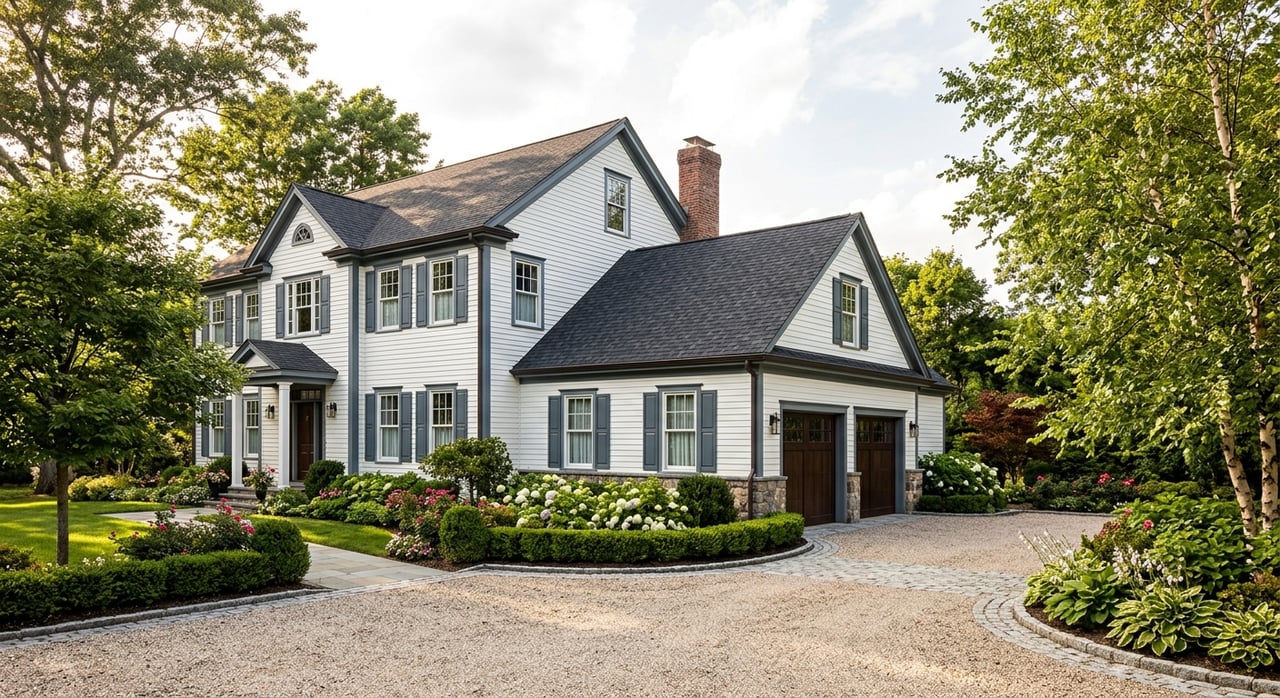
If you are starting to outgrow your current home, Milton often comes up for a reason. It offers a more residential, higher-ownership setting next to Boston, with housing stock that leans strongly single-family and daily amenities that support long-term living. If you are wondering whether Milton makes sense as your next move-up destination, this guide will help you understand what the town offers and what to expect as you search. Let’s dive in.
Why move-up buyers look at Milton
For many buyers, a move-up purchase is about more than square footage. You may be looking for a different housing mix, a more established residential setting, and a town that feels easier to settle into for the long run.
Milton stands out on those points. According to the U.S. Census QuickFacts for Milton, 85.2% of housing units are owner-occupied, 25.3% of residents are under 18, and the average household size is 2.97. Those numbers point to a town with a strong owner-occupied profile and a household mix that often appeals to move-up buyers.
Milton has a distinct housing profile
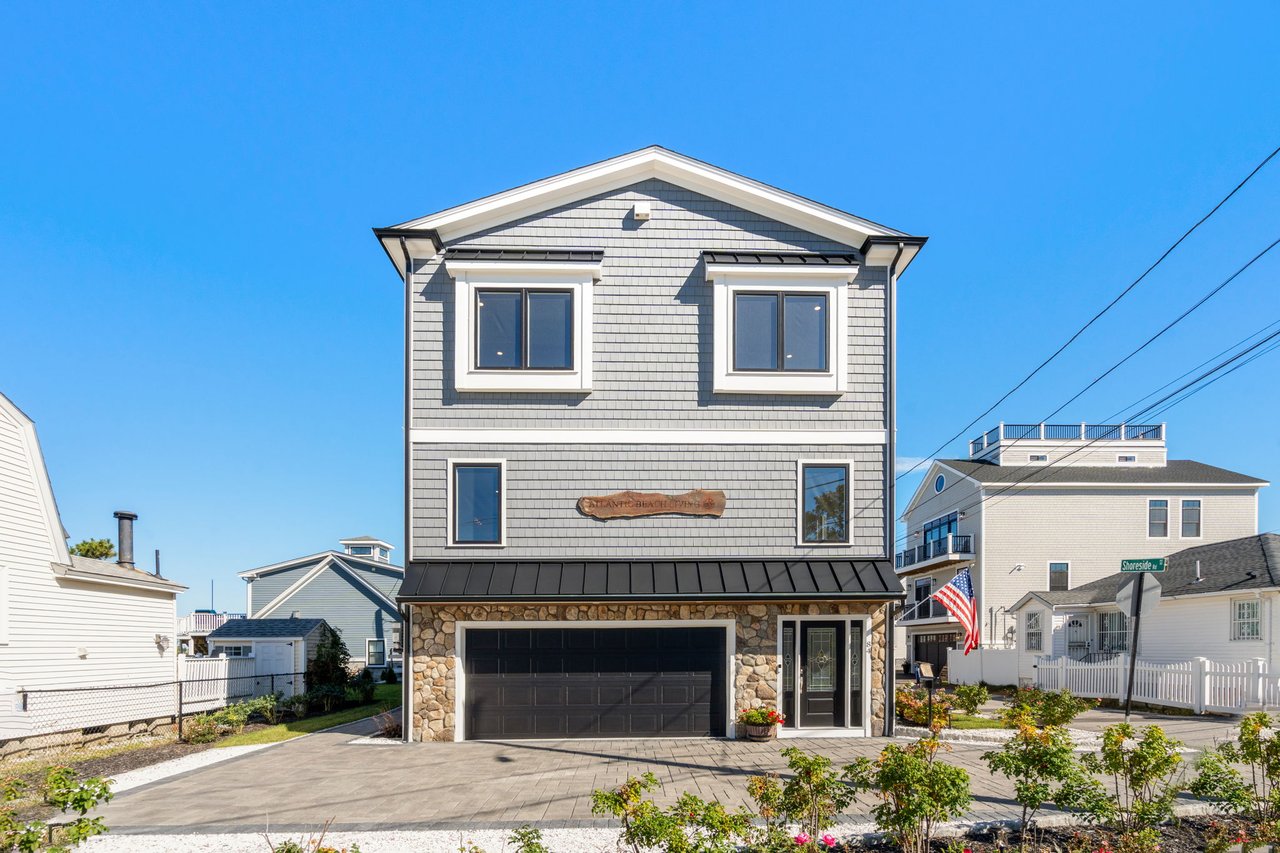
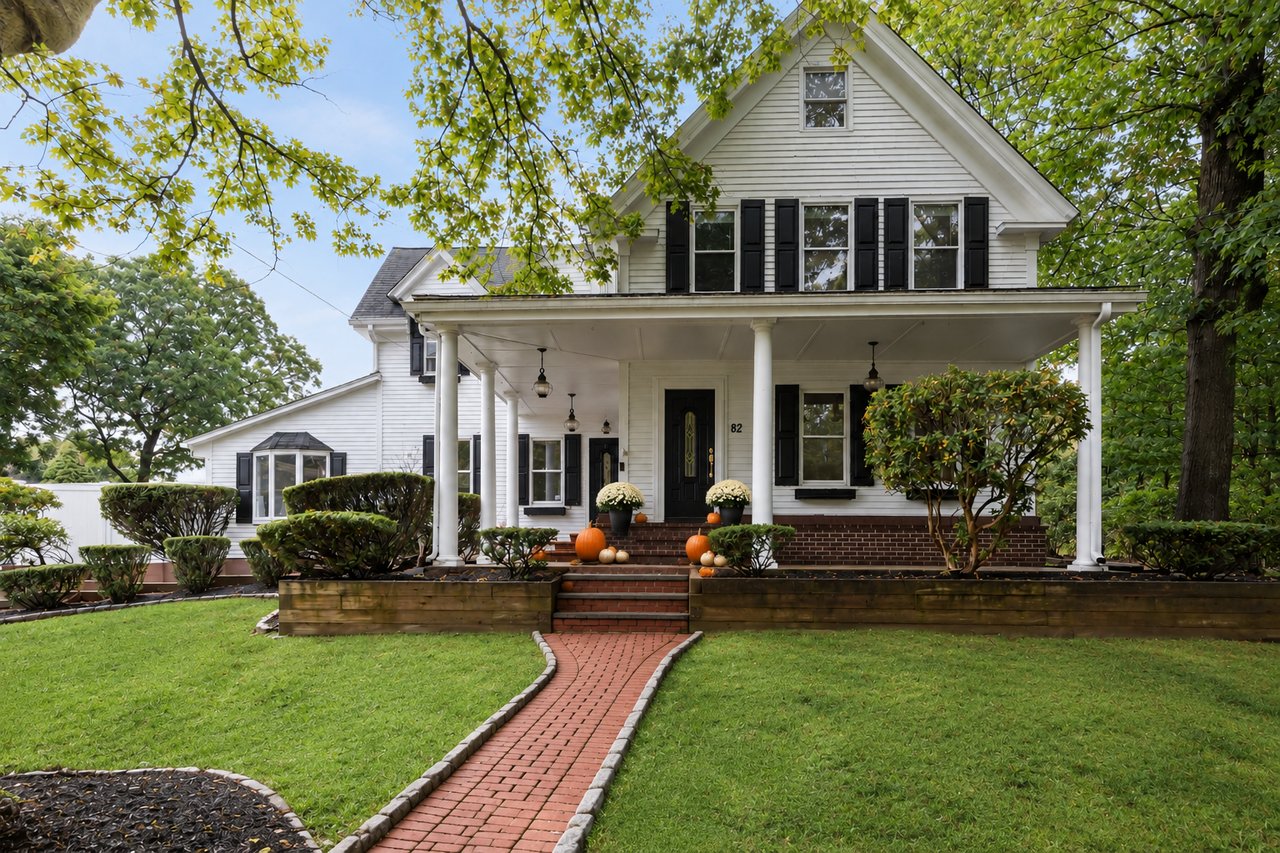
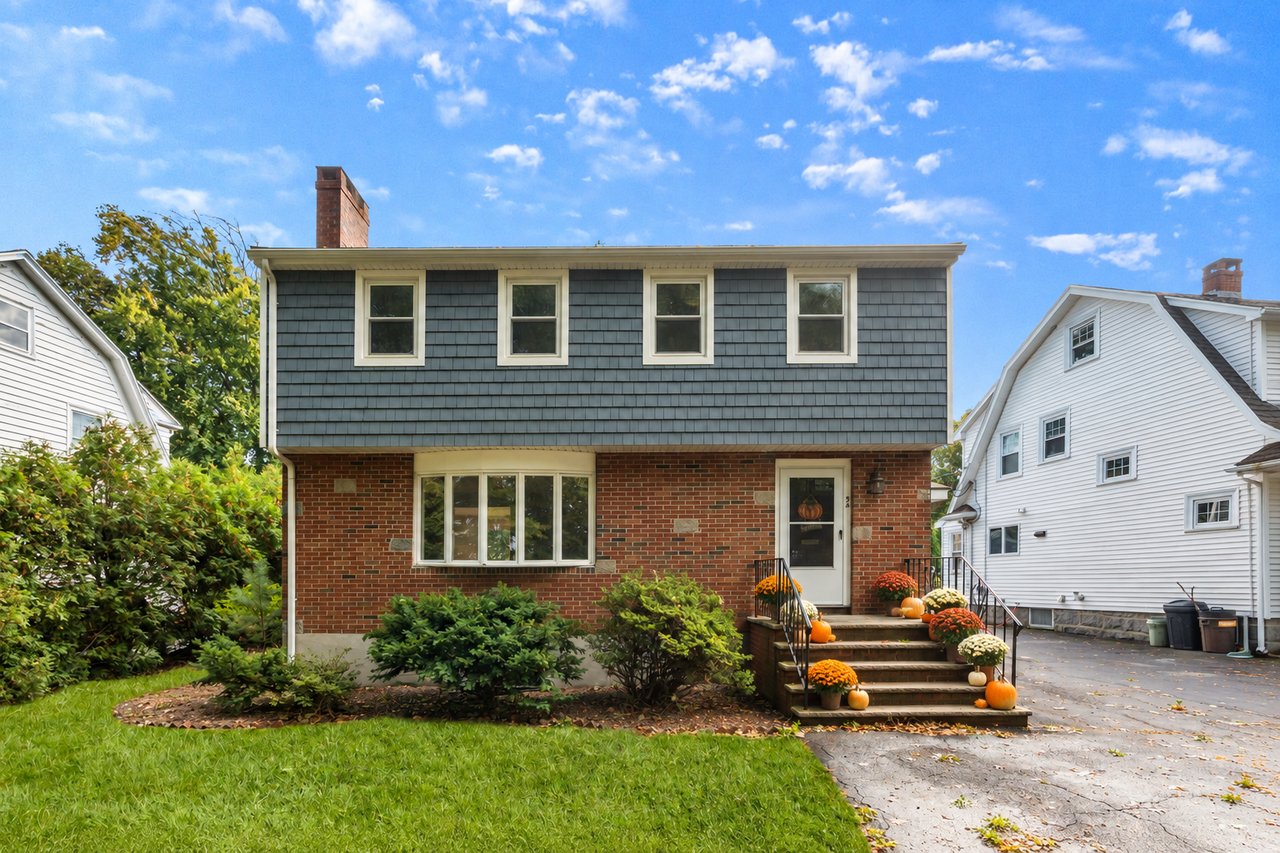
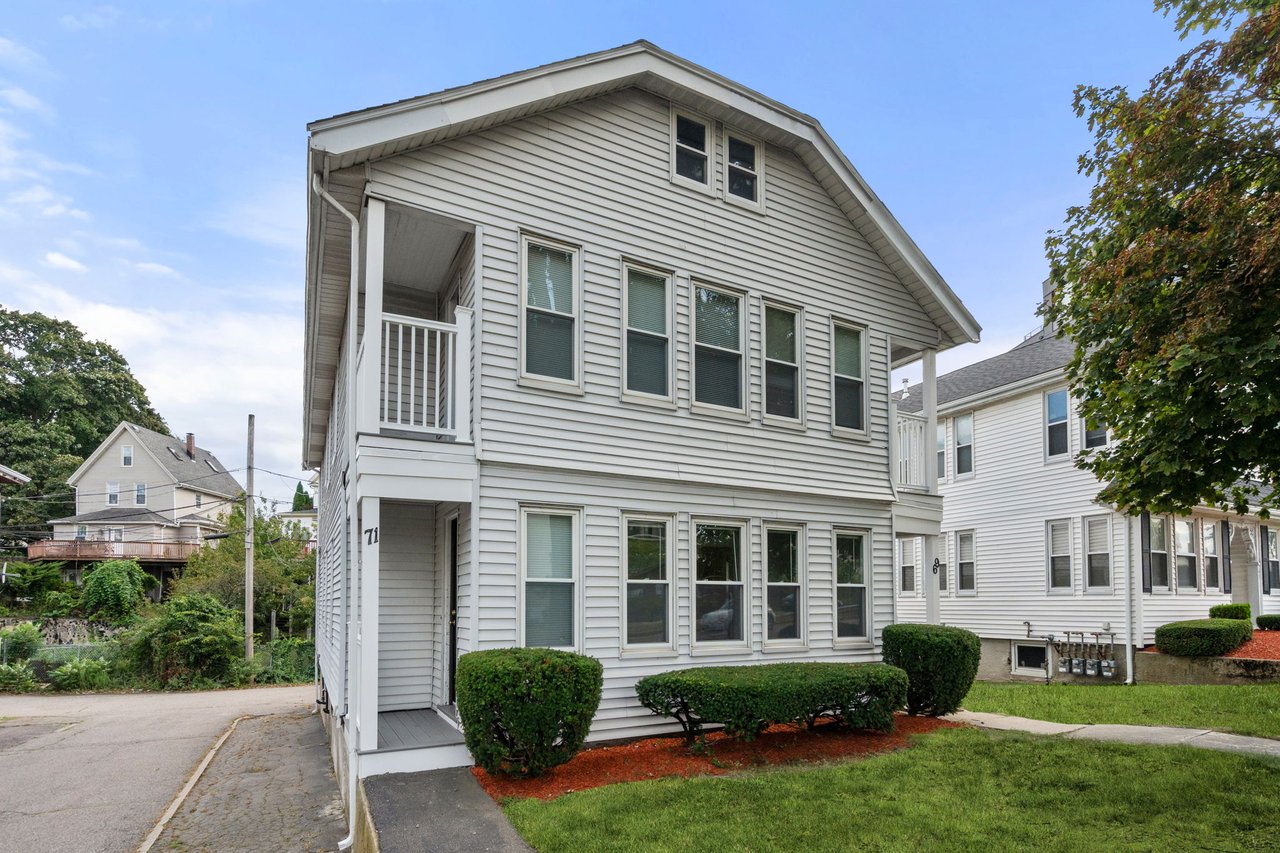
Milton is not a one-size-fits-all market. The town’s planning materials describe the housing stock as overwhelmingly single-family, with 76% of housing units in that category and 47% of the stock built before 1940, according to the Milton Master Plan.
That matters if you are moving up from a condo, a smaller single-family home, or a denser city setting. You are often buying into a town with more established homes, mature neighborhoods, and a character shaped by older housing stock, including 19th-century houses, estates, and early workers’ housing noted on the town’s history page.
Prices reflect Milton’s position
Move-up buyers should expect Milton to sit at a higher price point than several nearby communities. The Census reports a median owner-occupied home value of $933,200 in Milton, compared with $618,500 in Quincy, $552,100 in Weymouth, $656,800 in Braintree, and $731,700 in Boston.
That does not mean every home in Milton fits one price band. It does mean the town generally reads as a trade-up market, where buyers are often paying for a more owner-occupied environment, larger single-family presence, and limited room for new growth, as reflected in the town’s planning materials.
What Milton offers beyond price
When you move up, the goal is usually not just to buy more house. You are also trying to improve your day-to-day lifestyle, whether that means more space, different surroundings, or easier access to the places you use most.
Milton offers a combination that many buyers find compelling: proximity to Boston, local business districts, civic resources, and a housing stock that feels established rather than newly built. The town can feel self-contained for everyday life while still connected to the larger metro area.
Commuting from Milton
Milton borders Boston along the Neponset River, which gives it a close-in location that many buyers already know. The town notes that the old Milton and Dorchester branch of the Old Colony Railroad brought rail access to Boston, and that line is now the surface trolley connecting Ashmont Station and Mattapan Square, with stations on both sides of the river, according to the town history page.
At the same time, it helps to approach the commute conversation realistically. Town planning materials describe traffic, congestion, and parking as longstanding local issues, so Milton is best understood as a town that offers access and convenience, not necessarily a simple shortcut commute.
The Milton Complete Streets Prioritization Plan also points to ongoing focus on sidewalks, crossings, curb ramps, bike lanes, and bus shelters. For buyers, that adds useful context around local mobility and how people move through town day to day.
Daily life and local conveniences
One reason move-up buyers are drawn to Milton is that everyday errands and routines can stay local. Town planning materials describe East Milton Square as the town’s largest commercial center, with restaurants, coffee shops, beauty services, and medical offices, along with known parking and loading pressures documented in the MPIC report.
Other business nodes include Milton Village and Central Avenue. These are the kinds of places that help shape your daily rhythm, whether you are grabbing coffee, heading to an appointment, or taking care of routine errands close to home.
Civic resources matter in a move-up decision
A move-up purchase usually comes with a longer time horizon. That is why buyers often pay close attention to the local infrastructure that supports everyday living.
Milton has a stand-alone Milton Public Schools district headquartered at 25 Gile Road. The town is also home to the Milton Public Library at 476 Canton Avenue, parks and recreation programming through the local department, and Beth Israel Deaconess Hospital-Milton, a 100-bed hospital with a 24-hour emergency department at 199 Reedsdale Road, as summarized in the research provided.
Together, those resources help explain why Milton appeals to buyers looking for a town that can support daily needs close to home. For many households, that sense of local infrastructure is part of what makes a move-up purchase feel worthwhile.
How Milton compares with nearby options
If you are deciding between Milton and other nearby towns, it helps to compare the overall feel as much as the numbers. Milton’s data suggests a more owner-occupied and single-family-oriented environment than several nearby alternatives.
Quincy is the clearest contrast. It is much larger, more dense, and far less owner-occupied, with a 45.2% owner-occupied rate versus Milton’s 85.2%, according to Census data for Quincy and Milton.
Weymouth and Braintree sit closer to Milton on the suburban spectrum, but both show lower median owner values than Milton. Boston, meanwhile, is much more renter-heavy, with a 35.7% owner-occupied rate, which makes Milton a logical next-step option for some buyers leaving a denser urban setting.
Is Milton the right move-up market for you?
Milton may be a strong fit if you want a more residential setting near Boston, expect a higher price point, and value established housing stock with a strong single-family presence. It can also make sense if local amenities, civic infrastructure, and a more owner-occupied environment are high on your list.
Like any move-up decision, the right answer depends on your budget, timing, and what you want your next chapter to look like. In Milton, the appeal is less about chasing a bargain and more about buying into a town with a distinct housing profile, strong local identity, and long-term lifestyle value.
If you are weighing Milton against Quincy, Braintree, or another nearby town, a local strategy matters. Colleen Foulsham can help you compare options, understand how your current home fits into the move-up equation, and build a plan that matches your goals.
FAQs
What makes Milton appealing for move-up buyers?
- Milton offers a highly owner-occupied housing profile, a strong single-family presence, established housing stock, and convenient access to Boston.
How expensive is Milton compared with nearby towns?
- Based on Census data, Milton’s median owner-occupied home value is $933,200, which is higher than Quincy, Weymouth, Braintree, and Boston in the comparison set provided.
What is the housing stock like in Milton?
- Town planning materials say 76% of Milton’s housing units are single-family, and 47% of the housing stock was built before 1940.
Does Milton offer access to Boston for commuters?
- Yes. Milton borders Boston and has transit context tied to the trolley connection between Ashmont Station and Mattapan Square, though town materials also note traffic and parking challenges.
What local amenities do move-up buyers find in Milton?
- Milton includes business districts such as East Milton Square, Milton Village, and Central Avenue, plus local civic resources like Milton Public Schools, the public library, parks and recreation, and Beth Israel Deaconess Hospital-Milton.
How does Milton compare with Quincy for move-up buyers?
- Milton is generally more owner-occupied, more single-family oriented, and higher priced than Quincy, which makes it a different type of next-step market for many buyers.