Salt air, harbor views, and an easy Boston commute can all be part of your daily routine in Quincy. If you are drawn to the water but want access to transit, dining, and parks, the city’s shoreline neighborhoods offer a unique blend. In this guide, you will get a clear picture of what everyday life feels like, how the commute works, and what to consider before you buy near the bay. Let’s dive in.
Quincy waterfront at a glance
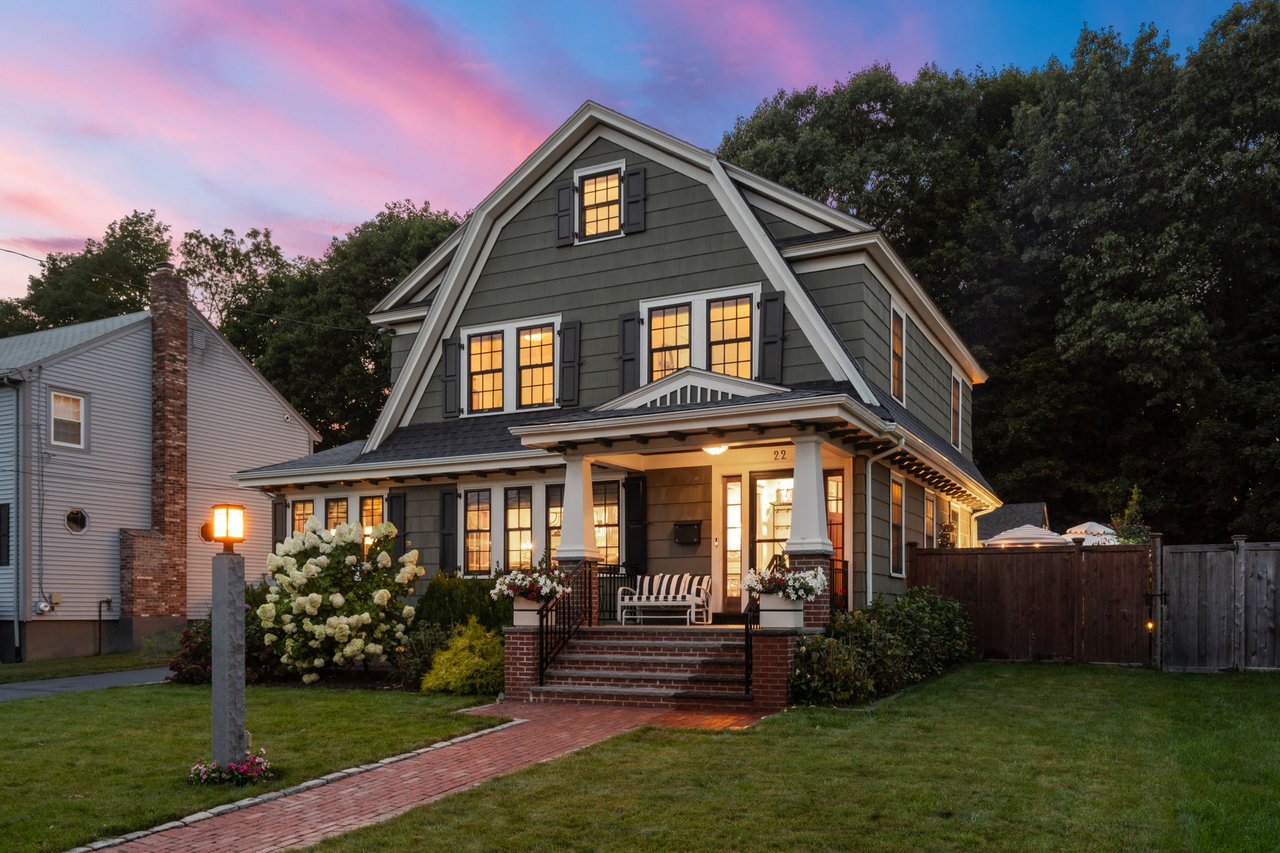
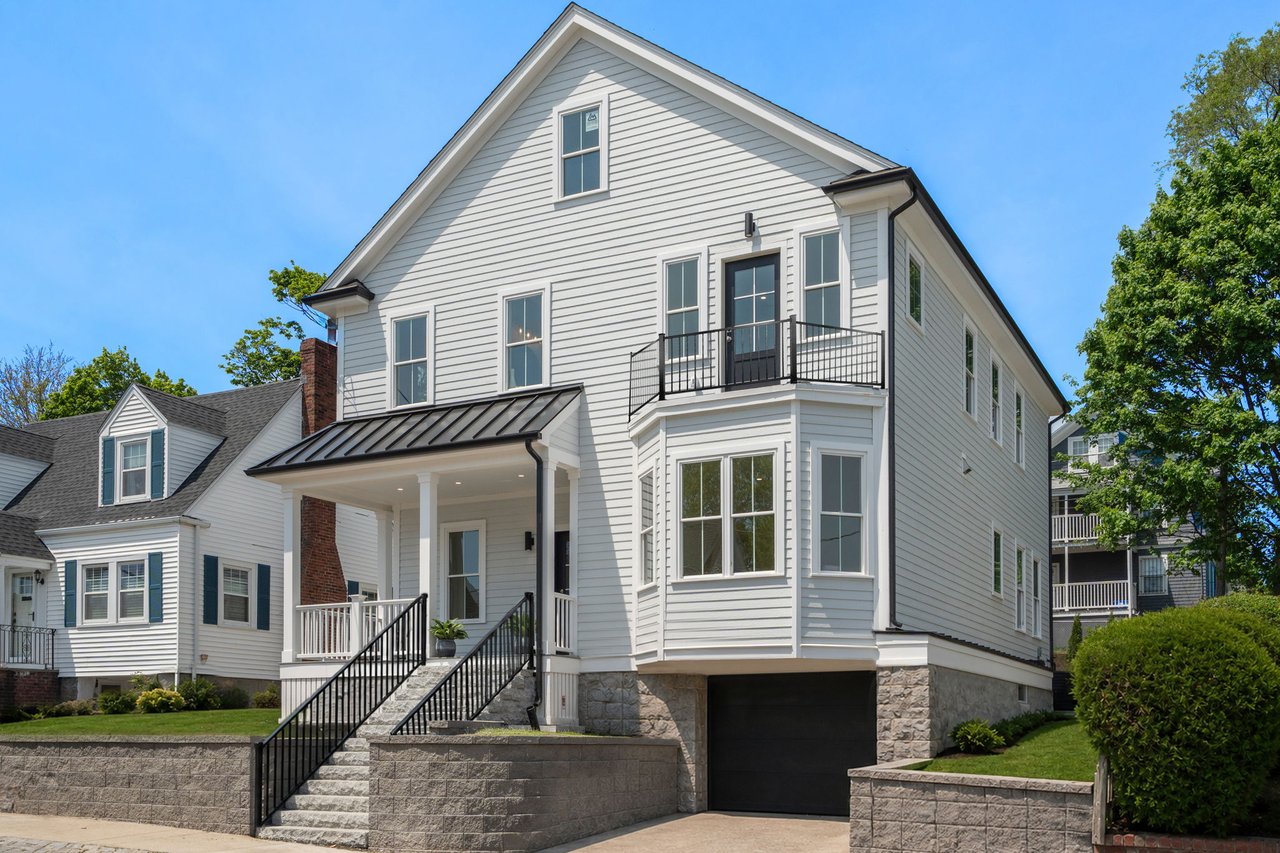
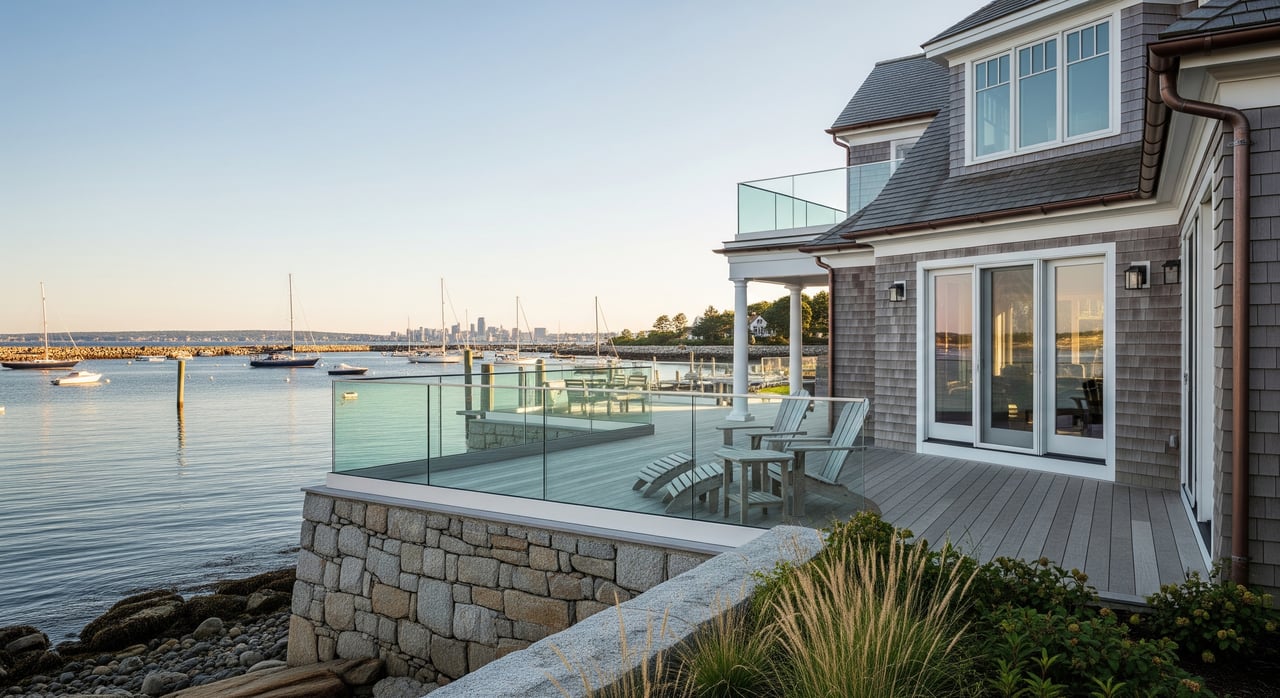
Quincy is a collection of distinct waterside pockets along Quincy Bay and Boston Harbor. You will find long beachfront walks, marinas, and quiet residential streets depending on where you look. Housing ranges from older single-family homes to newer condos with boardwalk access. Your best fit comes down to how you balance lifestyle, commute, and ownership costs.
Neighborhood snapshots
Wollaston: beach and Red Line
If daily beach walks top your list, Wollaston puts you close to the city’s longest public shoreline. Wollaston Beach is a popular spot for walking, jogging, and seasonal swimming, with views across Boston Harbor. The area mixes condos, triple-deckers, and single-family homes, and parts of the neighborhood are walkable to the MBTA Red Line. Expect more activity in summer and quieter streets in winter.
Marina Bay: condos and boardwalk
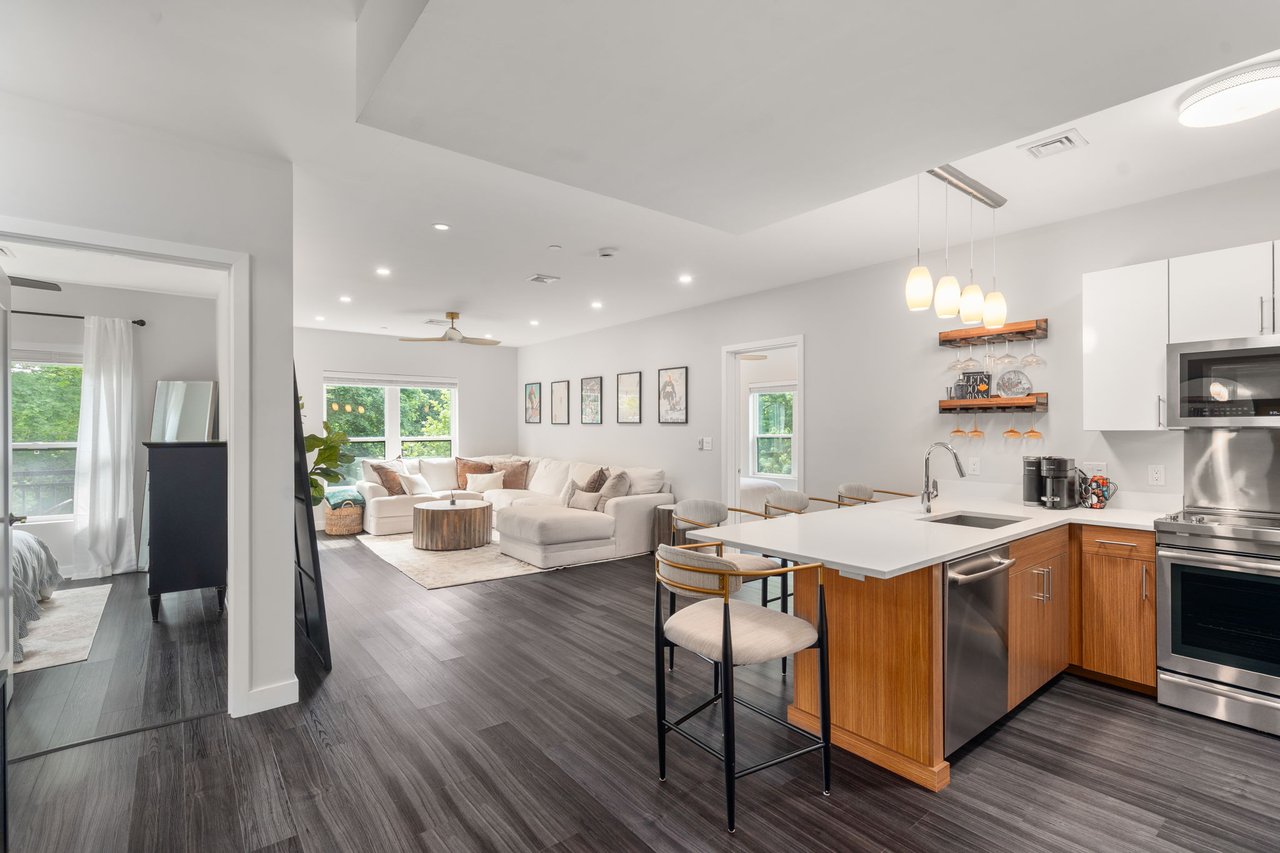
Marina Bay feels modern and planned, with waterfront condominium buildings, boardwalks, and marina slips. You will find dining and seasonal nightlife by the water, plus multiuse paths for walking and cycling. Many buildings have homeowners associations that cover common-area upkeep and amenities. HOA dues vary, so build them into your budget.
Squantum: peninsula living
Squantum is a narrow peninsula with a small-town feel and mostly single-family homes. Shoreline parks and open spaces add to the outdoor appeal, and boating and birding are part of the local rhythm. Some errands require a short drive, so plan for car convenience even if you use transit for work. Inventory here often reflects long-term ownership and varied renovation levels.
Hough’s Neck: coastal and boating
Hough’s Neck has a residential coastal vibe with smaller beaches and easy access to the water. You will see a mix of older homes on small lots and a strong boating and fishing culture. Local taverns and takeout spots support day-to-day needs, with broader dining options in nearby Quincy Center. Streets can be narrow, so parking awareness is helpful.
Daily life and amenities
Beaches and shoreline access
Wollaston Beach is the standout public beach, a long sandy and rocky stretch used year-round for fresh-air walks and seasonal activities. Marina Bay offers waterfront promenades with harbor views, while Squantum and Hough’s Neck have shoreline parks for low-key recreation. Access varies by site, so confirm what is public and what is private as you tour homes.
Boating and marinas
Marina Bay provides slips and transient docking for recreational boaters, and several small marinas and yards serve private owners. Kayaking, paddleboarding, and small-boat sailing are common in warm months. Lessons and rentals are typically seasonal, so plan ahead if you are new to the water. If you want dock access, verify availability and fees early.
Walkability, dining, and errands
Parts of Wollaston and Marina Bay are walkable to restaurants, coffee, and everyday services. Squantum and Hough’s Neck are more residential, which means short drives for errands. Parking and congestion can spike near Wollaston Beach and marina events on summer weekends. If you value quiet evenings, visit after work hours to get a feel for seasonal patterns.
Getting to Boston
Red Line access
The MBTA Red Line serves Quincy at North Quincy, Wollaston, Quincy Center, and Quincy Adams stations. Many buyers prioritize proximity to a station for a simple Boston commute. Review routes, schedules, and maps on the MBTA Red Line site. If transit is key, map the walk or bus connection from your target streets.
Driving and parking
Quincy connects to Boston by I-93 and Routes 3 and 3A. Travel times vary by time of day and by neighborhood, and narrow streets near the water can slow you down. If you rely on a car, off-street parking or a clear street-parking plan adds real value. Summer beach traffic can add a few minutes to your routine on peak days.
Buses and ferries
Local bus routes connect waterfront areas to Quincy Center and Red Line stations. Regular MBTA ferry service is limited for Quincy, and routes can change by season. Check the latest options with the MBTA and any local operators if water transit matters to your commute.
Real estate basics and costs
Inventory and price drivers
Water proximity often commands a premium. The size of that premium depends on direct waterfront versus water views, elevation and flood risk, and access to transit and parking. Inventory tends to cluster by type: newer condos and townhomes near Marina Bay, a mix of condos and multifamily in Wollaston, and more single-family homes in Squantum and Hough’s Neck.
Ongoing costs to plan for
Property taxes and utilities are similar to other Quincy areas, but maintenance needs can be higher near the water. Flood insurance can be a major cost if the property sits in a FEMA Special Flood Hazard Area. Many condo communities have HOA dues that cover common spaces, building systems, and amenities. Build a cushion for seawall or dock upkeep if you plan to own direct waterfront.
Condo vs. single-family
Condos near the water can be ideal for low-maintenance living and transit access. You will trade private yard space for shared amenities and HOA rules. Single-family homes offer more privacy and outdoor space, with potential for direct water access where allowed. In return, you assume full responsibility for maintenance and insurance.
Flood risk and resilience
Map your current risk
Start by checking FEMA’s Flood Insurance Rate Maps to see whether a home sits in a Special Flood Hazard Area. You can search a parcel on the FEMA Map Service Center and review zones like AE or VE. Ask for an elevation certificate if available, since elevation relative to Base Flood Elevation affects insurance costs. If a certificate does not exist, consider ordering one during due diligence.
Plan for future water levels
FEMA maps reflect historical data, so it is smart to review forward-looking projections. The NOAA Sea Level Rise Viewer shows potential inundation scenarios to help you plan long term. Combine that view with local elevation context to assess street access during extreme tides. This step can inform both your offer and your insurance strategy.
Insurance and financing basics
If a property lies in a FEMA-mapped Special Flood Hazard Area and you use a federally regulated mortgage, your lender will typically require flood insurance. Learn the basics through FEMA’s flood insurance guidance, and compare quotes from the National Flood Insurance Program and private carriers. Premiums vary by zone and elevation, so get quotes early in your search. Strong documentation can also support future resale.
Local planning and projects
Quincy participates in coastal resilience planning and infrastructure work that can influence long-term risk and neighborhood experience. Explore current efforts through the City of Quincy and state resources from the Massachusetts Office of Coastal Zone Management. Ask about seawall conditions, beach nourishment, and stormwater upgrades near any property you are considering. Project timelines can affect both lifestyle and insurance.
Buyer checklist
- Verify the exact FEMA flood zone for the property on the FEMA Map Service Center.
- Review future scenarios with the NOAA Sea Level Rise Viewer.
- Obtain sample flood insurance quotes from NFIP and private markets before you submit an offer.
- Request any elevation certificate and ask the seller about flood history and repairs.
- Confirm whether beach, boardwalk, or dock access is public or private.
- Map the distance to the nearest Red Line station using the MBTA site if you plan to commute to Boston.
- For condos, review HOA rules, amenities, budgets, reserves, and dues.
- For direct-waterfront homes, ask about seawalls, bulkheads, and maintenance responsibilities.
- Visit in both summer and winter to understand activity, parking, wind, and noise.
- Work with a local agent who knows waterfront due diligence and insurance.
Is Quincy waterfront right for you?
If you want a coastal lifestyle with Boston access, Quincy’s shoreline neighborhoods deliver a rare balance. You can walk a boardwalk at sunrise, commute by Red Line, and be home for a quiet evening on your deck. The tradeoffs are real, including higher premiums, HOA dues in some buildings, and seasonal crowds. With the right homework, you can enjoy the perks and manage the risks with confidence.
Ready to explore specific streets, buildings, or flood zones with a local expert by your side? Reach out to Colleen Foulsham to map options, compare neighborhoods, and plan your next move on the water.
FAQs
What should I know about commuting from Quincy’s waterfront to Boston?
- The MBTA Red Line serves Quincy at several stations, and many buyers prioritize a home within reach of North Quincy, Wollaston, Quincy Center, or Quincy Adams. Check routes and schedules on the MBTA site.
How do I check if a Quincy property requires flood insurance?
- Search the address on the FEMA Map Service Center. If the home is in a Special Flood Hazard Area, lenders usually require flood insurance for federally regulated mortgages.
Where can I see long-term sea level projections for Quincy?
- Use the NOAA Sea Level Rise Viewer to explore different scenarios and assess potential future inundation of streets and parcels.
Are there regular MBTA ferries from Quincy to Boston?
- Regular ferry service is limited for Quincy and can change by season. Confirm current routes and alternatives on the MBTA website.
What ongoing costs are common for Marina Bay condos?
- Expect homeowners association dues that cover common areas, building systems, and amenities. Review budgets, reserves, and any marina-related fees during due diligence.
What are the main lifestyle tradeoffs of living near Wollaston Beach?
- You get daily access to a long public shoreline and nearby dining, with more activity, parking pressure, and noise during peak summer days. Winters are quieter but can be windy along the open shore.