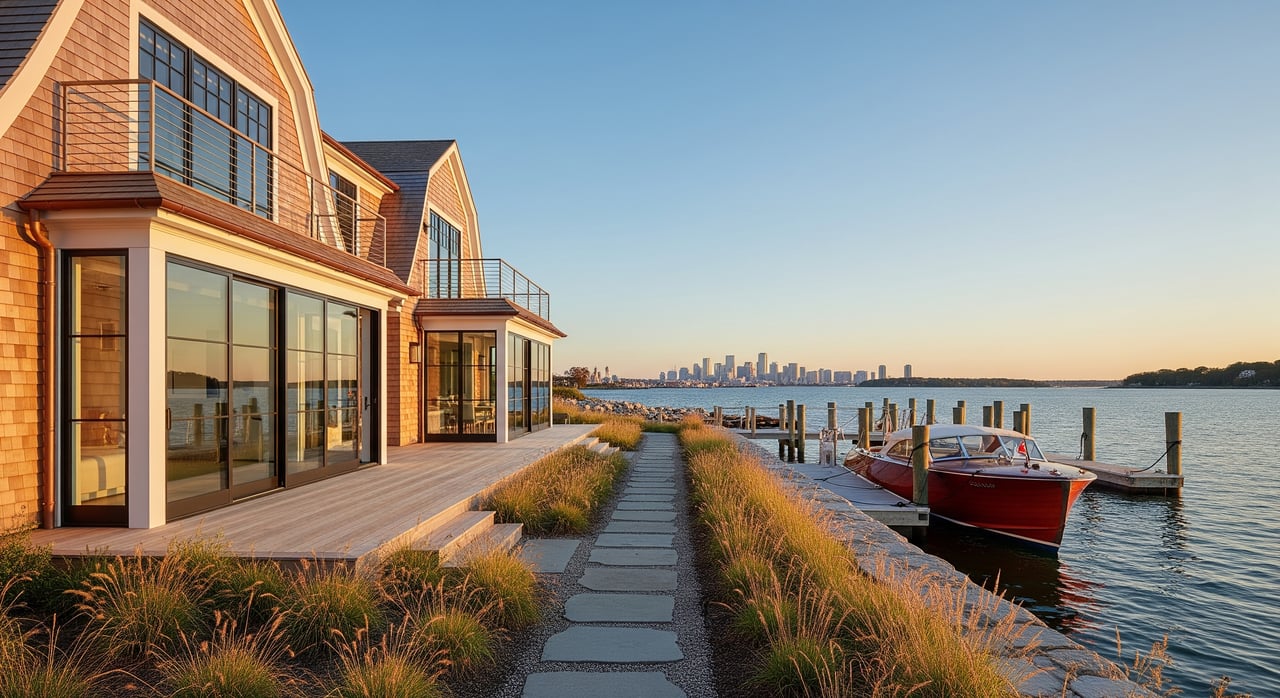
Thinking about trading Boston’s city energy for a little more space near the coast? You are not alone. Many buyers look south for yards, beaches, and a different pace, but they also want clarity on commutes, costs, and what changes to expect. In this guide, you’ll learn how South Shore living compares to Boston, what to budget for, and how to choose the right town for your lifestyle. Let’s dive in.
What the South Shore means
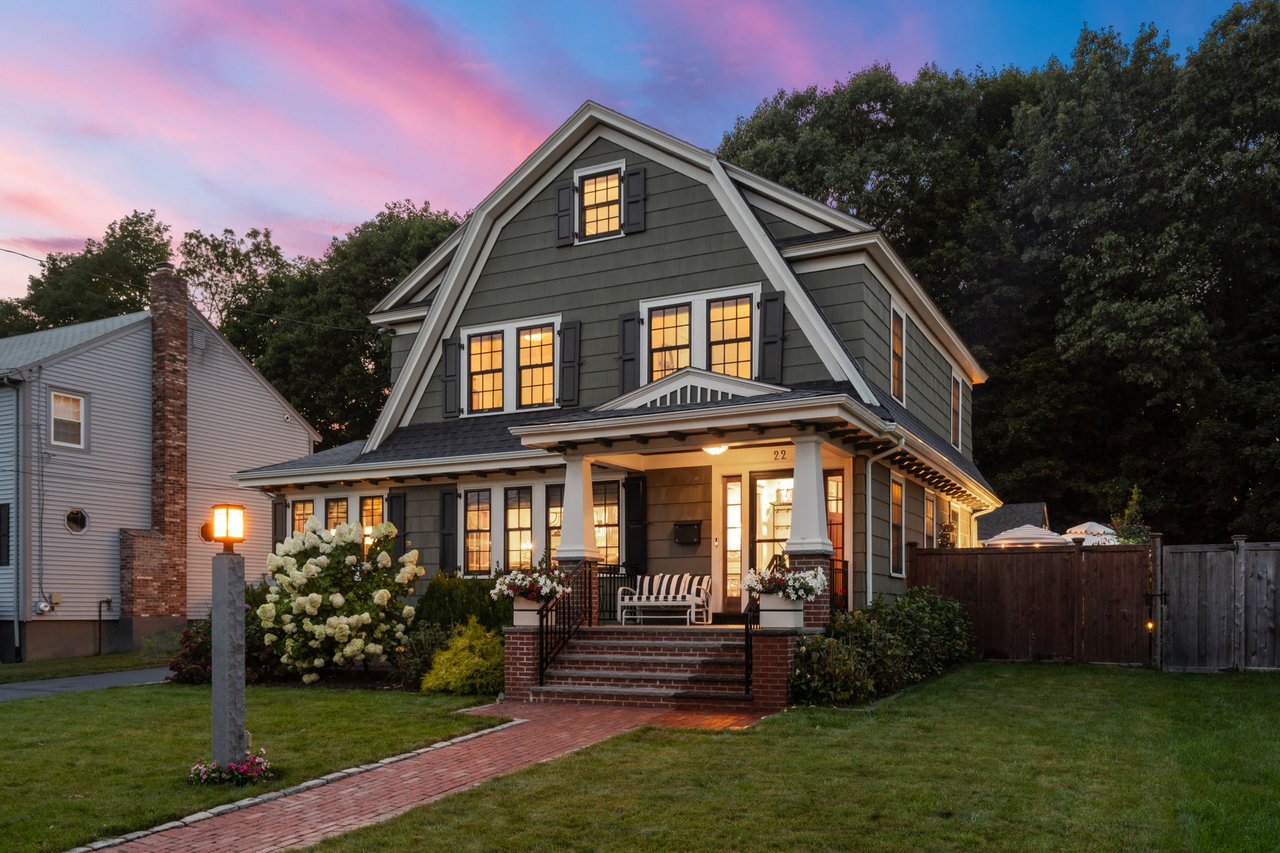
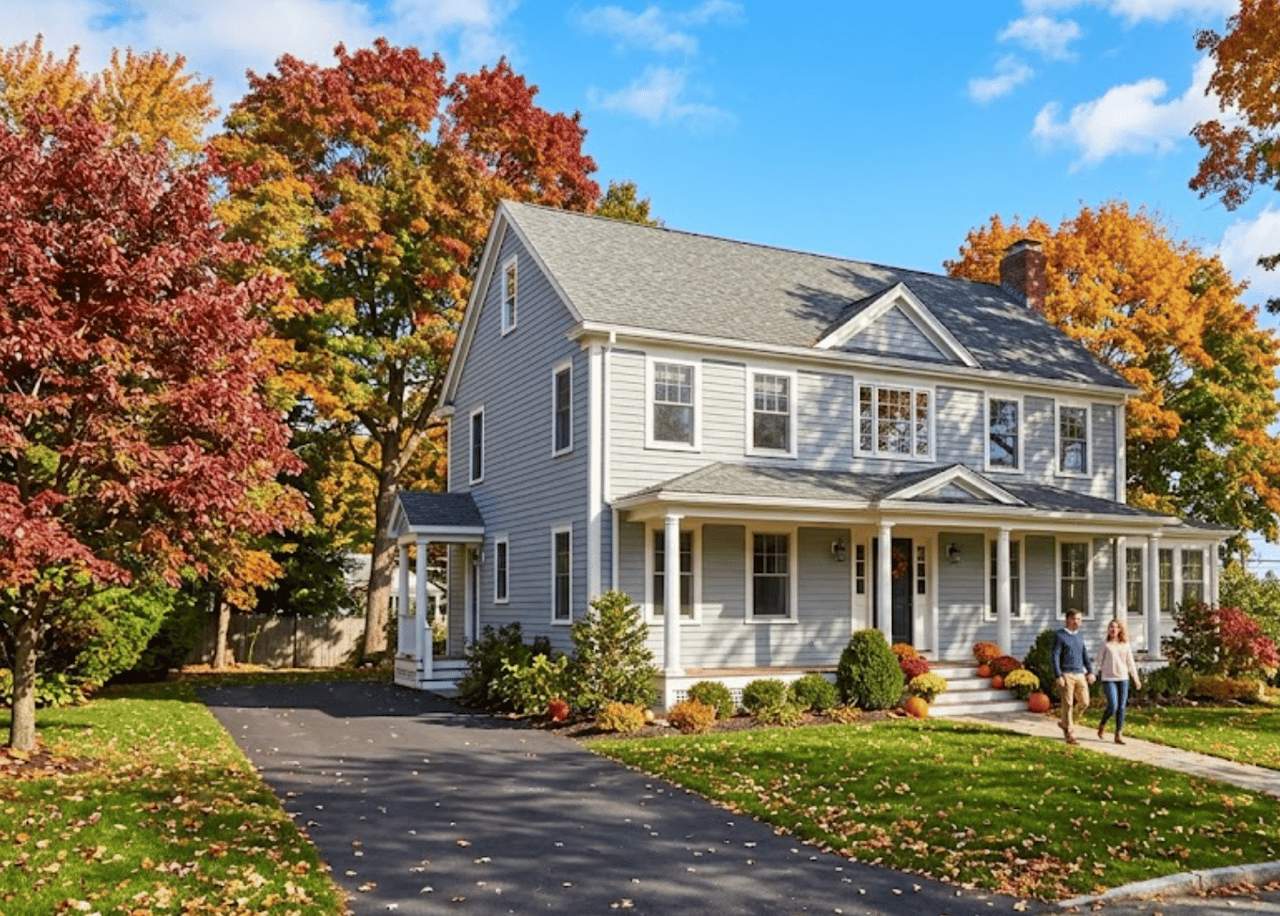
The “South Shore” generally refers to the coastal and near‑coastal towns south of Boston, starting around Quincy and Braintree and stretching through Weymouth, Hingham, Hull, Cohasset, Scituate, Marshfield, Duxbury, and toward Kingston and Plymouth. There is no single government boundary, so town‑by‑town details matter. Compared to Boston’s denser, urban neighborhoods, the South Shore leans suburban and coastal with more single‑family homes, driveways, marinas, and beaches. You will still find condos and multifamily options near transit hubs like Quincy and Braintree, but the overall housing mix skews toward single‑family living.
Housing and property differences
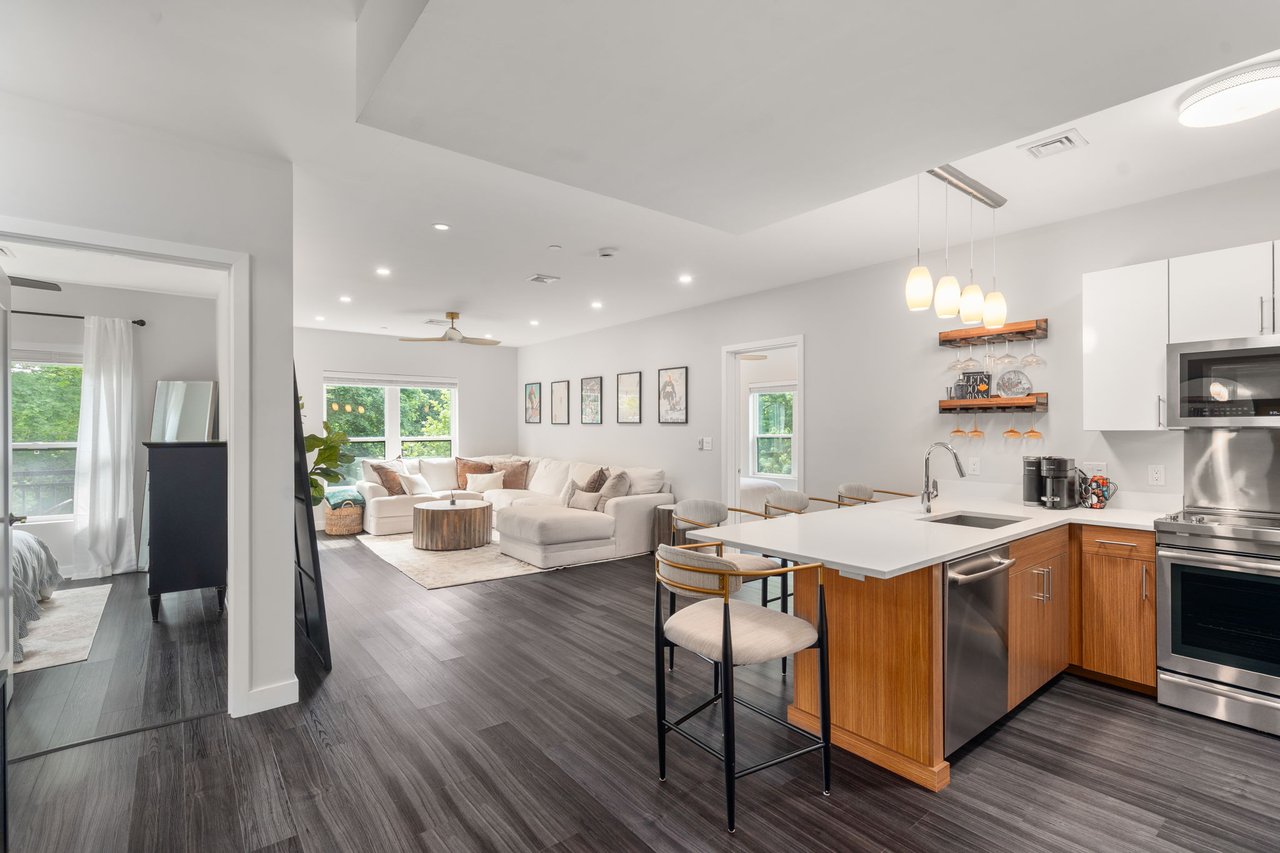
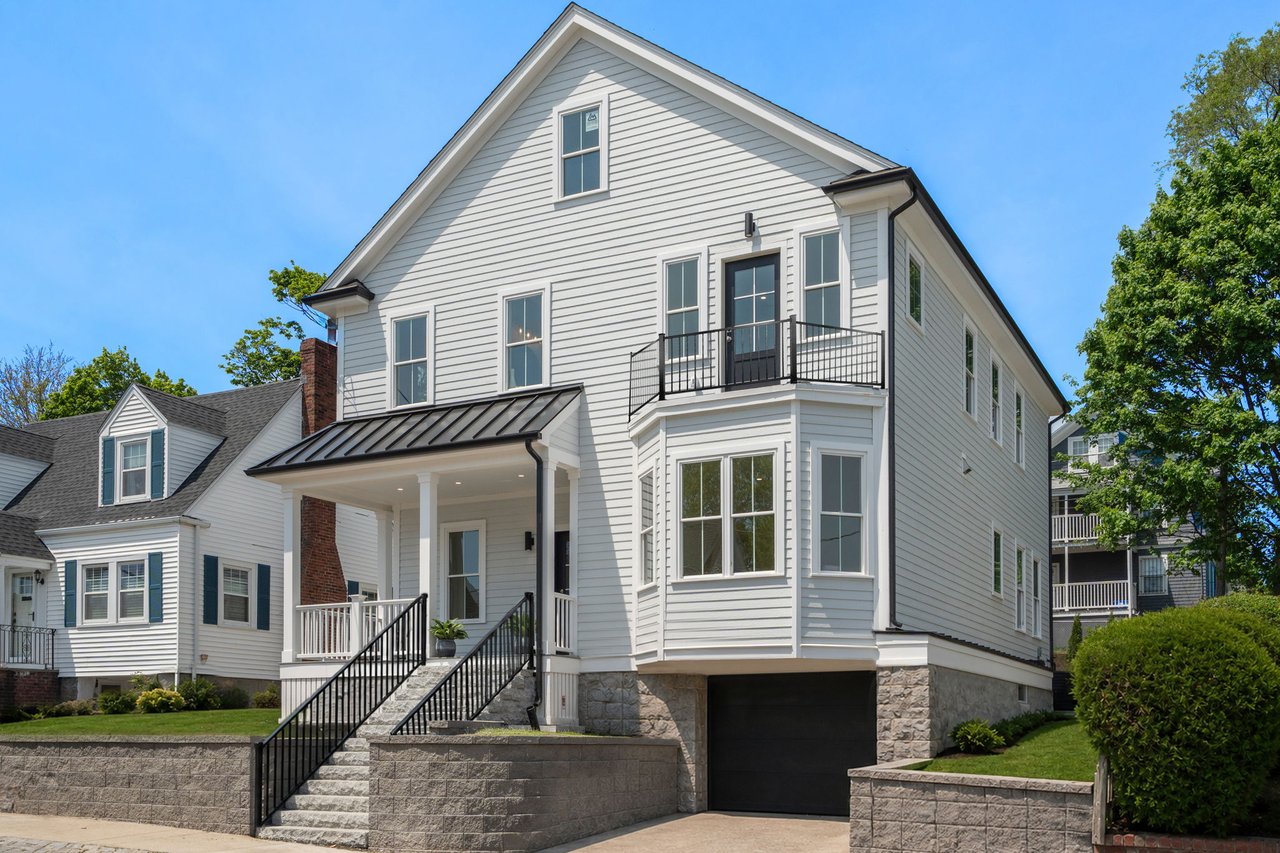
You will notice a wider range of home styles and lot sizes. Close to transit, you may see condos, townhomes, and smaller single‑family homes. As you move coastal or farther south, lots tend to get larger and seasonal cottages and waterfront properties appear. Pricing varies by town and neighborhood. Generally, Quincy, Braintree, and parts of Weymouth can be more attainable than coastal harborside markets like Hingham, Cohasset, and Duxbury, but market conditions change often. For current median prices and absorption trends, review your agent’s MLS data and recent town‑level reports.
Two cost factors stand out for Boston movers:
- Property taxes: Rates and typical bills vary by town. Check the local assessor’s office for the current rate, average bills for comparable homes, and any exemptions.
- Sewer vs septic: Many South Shore properties connect to municipal sewer, but some rely on private septic systems. If a property has septic, you will want to plan for routine pumping and a Title 5 inspection at sale. You can review the Massachusetts Department of Environmental Protection’s guidance on Title 5 through the Massachusetts Department of Environmental Protection.
Other homeowner expenses to budget for include homeowners insurance, potential flood insurance on or near the coast, landscaping, snow removal, and seasonal maintenance for larger lots or waterfront features.
Commuting and transit tradeoffs
If you commute into Boston, build your plan around your preferred route and schedule. The Southeast Expressway on I‑93 is the main driving corridor from Quincy, Braintree, and Weymouth. Route 3 and Route 3A serve towns farther south. Traffic patterns change by season and construction, so it helps to check MassDOT traffic and construction updates during your home search.
Public transit options include the Red Line terminus at Braintree and multiple MBTA commuter rail lines, including the Greenbush and the Kingston/Plymouth routes. Schedules, parking, and reliability vary, so review MBTA schedules and maps. Some commuters also use the Hingham Shipyard ferry to reach downtown and the Seaport. Ferry schedules adjust seasonally, so confirm routes and timing with MBTA ferry service information before you commit to a routine.
Typical door‑to‑door drive times from inner South Shore towns can range from about 20 to 45 minutes in lighter traffic, with longer times during peak hours. Commuter rail and ferry travel times are competitive for some routes, but depend on station access, parking availability, and last‑mile connections in the city.
Lifestyle and amenities
Living on the South Shore often means more time outdoors. You can explore beaches such as Nantasket in Hull or Duxbury Beach, stroll coastal trails like World’s End in Hingham, and bike or hike in Wompatuck State Park. Many towns have marinas and public ramps, so boating and fishing are popular in-season.
Town centers offer a mix of local restaurants and shops, while larger shopping clusters sit along Route 3 and near Plymouth. Healthcare access is straightforward, with hospitals and urgent care centers across the region, including South Shore Hospital in the Weymouth area. Evenings are a bit quieter than Boston’s late‑night neighborhoods, and most errands rely on a car rather than public transit.
Schools and enrollment basics
Public school performance varies by district and by school. For objective information, review enrollment, MCAS results, graduation rates, and per‑pupil spending through the DESE school profiles and MCAS results. Boundaries can be specific, so confirm the assigned elementary, middle, and high schools for any property directly with the district. If you are considering private options, note that there are fewer private campuses than you may be used to in Boston, so plan tours early.
Coastal risks, permits, and inspections
Coastal towns bring added due diligence. Some homes sit in FEMA flood zones or areas exposed to storm surge. Lenders often require flood insurance for high‑risk zones, and premiums can be a notable cost. Before you submit an offer, check the FEMA Flood Map Service Center for the property’s flood zone and consider getting quotes for both NFIP and private coverage. If you are weighing long‑term climate factors, the Massachusetts Office of Coastal Zone Management resources can help you understand sea‑level rise planning and local resilience work.
If a property uses a septic system, include a Title 5 inspection in your plan and budget for maintenance or potential upgrades. Waterfront homes may have additional rules tied to conservation and coastal permitting. If you plan renovations, contact the local building department and conservation commission early for guidance.
Budget and utility checklist
Use this quick list to compare homes and towns:
- Property taxes: Verify current rate and estimate a typical bill for the target price range.
- Insurance: Get homeowners, flood, and wind coverage quotes for waterfront or near‑water properties.
- Sewer or septic: Confirm connection status. If septic, plan for Title 5, pumping, and replacement risk.
- Heating fuel: Natural gas is not universal. Some areas use oil or electric heat. Verify fuel type and system age.
- Internet: Cable and fiber availability varies by street. Confirm provider options and speeds if you work from home.
- Trash and recycling: Some towns require stickers, transfer‑station permits, or bookings for bulky pickup.
- Parking and permits: Ask about resident parking rules near beaches, snow emergencies, and moving‑truck permits on narrow streets.
How to choose your South Shore town
Here is a simple way to focus your search:
- Map your commute. Try both your peak‑hour drive and a rail or ferry trip to see what fits your routine.
- Pick your must‑have home features. Decide on housing type, lot size, garage or driveway, and proximity to water or transit.
- Set a total monthly budget. Include principal and interest, taxes, homeowners insurance, potential flood insurance, utilities, and routine upkeep.
- Check the basics. Verify sewer or septic, flood zone, and any planned nearby construction or roadwork.
- Review school data. Use DESE profiles for objective comparisons and confirm the assigned schools for a specific address.
- Tour in different seasons. Summer traffic and winter storms can change how an area feels.
- Work with a local agent. A South Shore‑based team can flag town‑specific rules, parking nuances, and micro‑market dynamics that impact value.
Work with a local team you can trust
If you are weighing the move from Boston to the South Shore, you deserve a clear plan and a smooth process. Our Quincy‑based team helps you compare towns, understand true monthly costs, and coordinate inspections tailored to coastal and septic realities. When you are ready to explore, connect with Colleen Foulsham for a no‑pressure consult or a fast, human‑driven valuation.
FAQs
How long is the commute from the South Shore to Boston?
- Typical drive times from towns like Quincy or Braintree can range from about 20 to 45 minutes in lighter traffic, with longer times at rush hour. Rail and ferry options can be competitive depending on your station, parking, and schedule.
Do I need flood insurance for a South Shore home?
- It depends on the FEMA flood zone and lender requirements. Check the property’s zone on FEMA maps and get quotes for NFIP and private coverage before you buy.
What should I know about septic systems on the South Shore?
- Some homes use private septic rather than municipal sewer. Plan for routine pumping, include a Title 5 inspection in your purchase, and budget for potential upgrades if the system is older.
Are South Shore public schools stronger than Boston’s?
- Performance varies by district and school. Use DESE profiles for objective data and confirm school assignments for any property with the local district.
Is buying on the South Shore more affordable than Boston?
- In many cases you may get more space per dollar outside the city, especially in close‑in towns away from premium waterfront areas. Prices shift by town and market cycle, so review current MLS data with your agent.
Which South Shore towns have the most transit options?
- Quincy and Braintree offer Red Line access. Commuter rail serves multiple towns including Weymouth and Scituate via the Greenbush and Kingston/Plymouth lines. Hingham offers ferry service to Boston.
What seasonal changes should I expect after moving south of the city?
- Expect more summer traffic near beaches and marinas, and plan for winter storms that can impact coastal roads and transit schedules. Touring homes in multiple seasons can help you plan realistically.