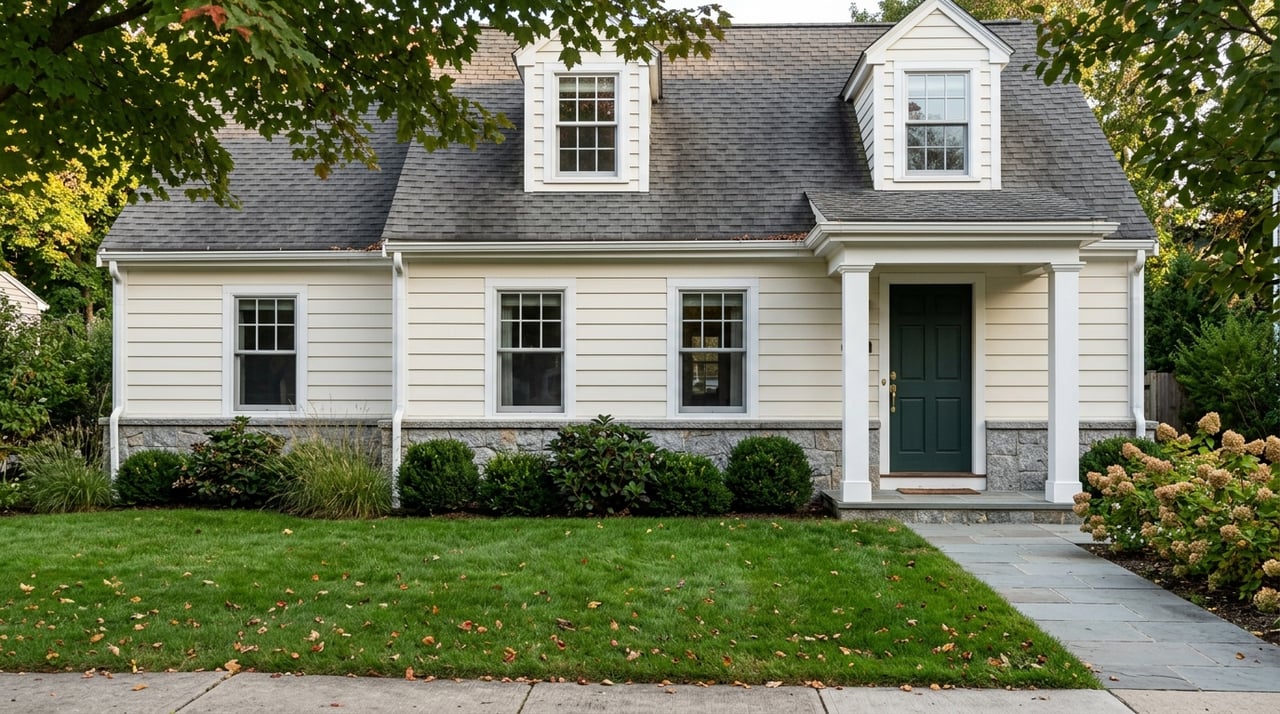
Trying to decode Hingham homes from listing photos alone can be tricky. One house may look like the classic New England home you pictured, while another may offer a totally different layout, upkeep, and renovation path even on the same street. If you are buying in Hingham, understanding home styles can help you make smarter choices about budget, function, and long-term fit. Let’s dive in.
Why home style matters in Hingham
In Hingham, style is more than curb appeal. The town is about 15 miles south of Boston, has 21 miles of shoreline, and includes six historic districts, so a home’s design often connects directly to how it lives and how it may be updated over time.
That matters even more in a high-value market. The latest U.S. Census Bureau QuickFacts estimates show an 80.7% owner-occupied housing rate and a median owner-occupied home value of $1,134,200. In practical terms, style, condition, and update level can all shape what you spend up front and what you may need to spend later.
Hingham also has a deep architectural bench. The town’s historic inventory includes more than 1,500 historic assets, which means buyers regularly come across homes with very different eras, details, and renovation considerations.
Colonial homes in Hingham
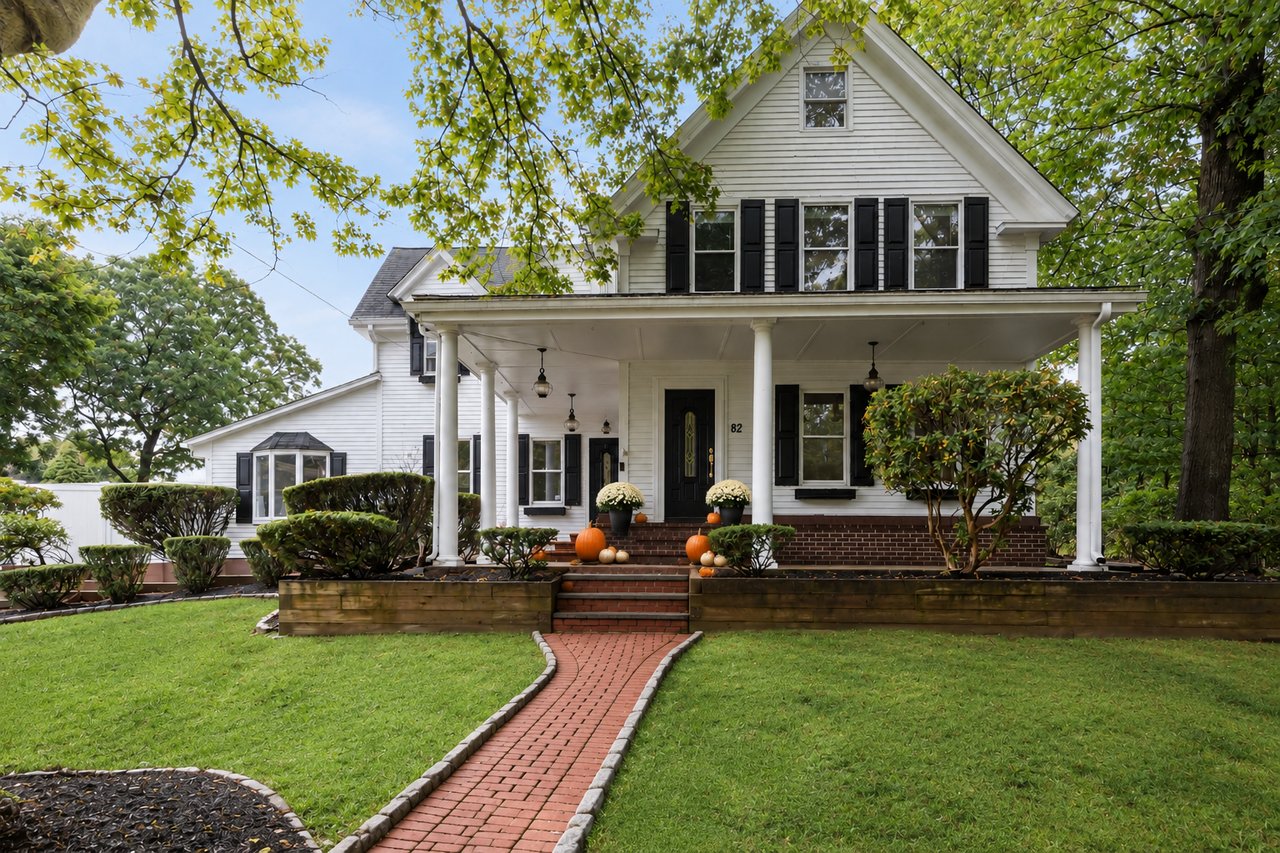
When many buyers picture Hingham, they picture a Colonial. In local use, that often includes a family of related styles rather than one exact format, including Georgian, Federal, and Colonial Revival influences.
The appeal is easy to understand. These homes often offer symmetry, traditional New England character, and a more formal feel that many buyers still love.
What Colonials usually feel like
Colonial-style homes often have a more structured layout than newer homes. You may see defined rooms instead of a wide-open main level, along with centered front entries and classic exterior details.
Colonial Revival homes, in particular, often draw from Georgian and Federal precedents. Features can include symmetry, gabled or pedimented windows, prominent entries, columns or pilasters, fanlights, and Palladian windows.
What buyers should watch for
The same details that make a Colonial charming can also add upkeep. Older windows, trim, roofs, and porches may need careful repair, especially if the home sits within one of Hingham’s local historic districts.
If a property is in a historic district, exterior changes may require review. That makes it important to understand not just what the home looks like today, but what future repairs or updates may involve.
Cape Cod homes in Hingham
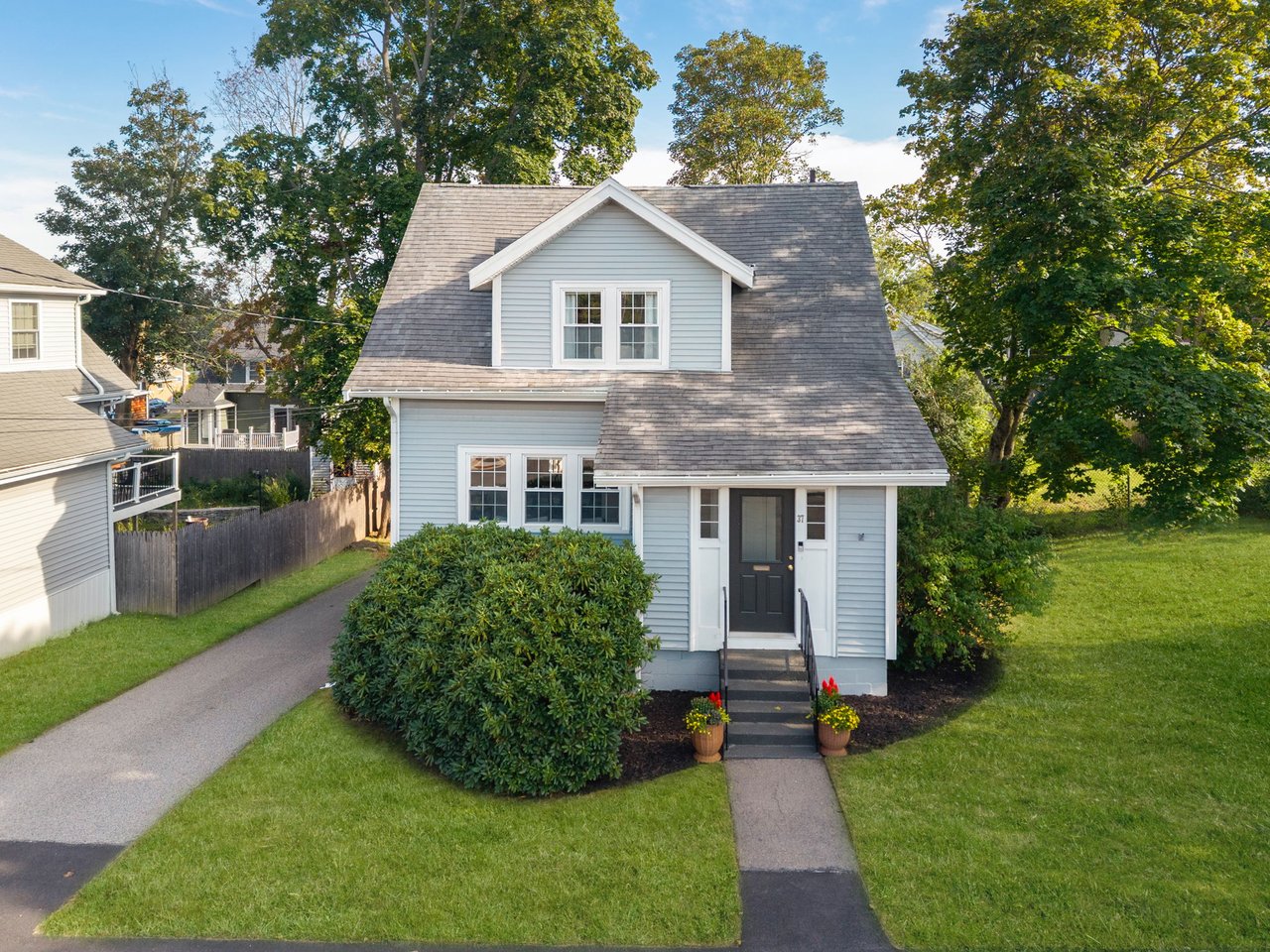
Cape homes are another style many buyers will see in Hingham. They often bring a compact footprint, a cozy feel, and a traditional look that fits naturally into the South Shore setting.
Locally, the style has deep roots. The Hingham Historical Society identifies the Crocker Wilder House as one of the finest Cape examples in town and the oldest Cape in the Glad Tidings Local Historic District.
What Capes usually offer
A Cape is commonly described as a small house with one or one-and-a-half levels and a steep roof. In practice, that often means a manageable main level and upper rooms that may feel tighter than what you would find in a larger Colonial or newer build.
For many buyers, that is part of the appeal. Capes can feel efficient, charming, and easier to maintain at a basic level because of their simpler exterior form.
Where Capes may need updates
Older Capes often need thoughtful improvements to match modern routines. Common needs may include better storage, updated kitchens or baths, improved insulation, or an addition that creates more usable living space.
In Hingham’s historic districts, the town’s guidelines favor rear additions and expect them to remain subordinate to the original house. Additions should also stay compatible with the home’s massing, roof shape, and materials, so expansion potential is worth discussing early if that is part of your plan.
New construction and rebuilt homes
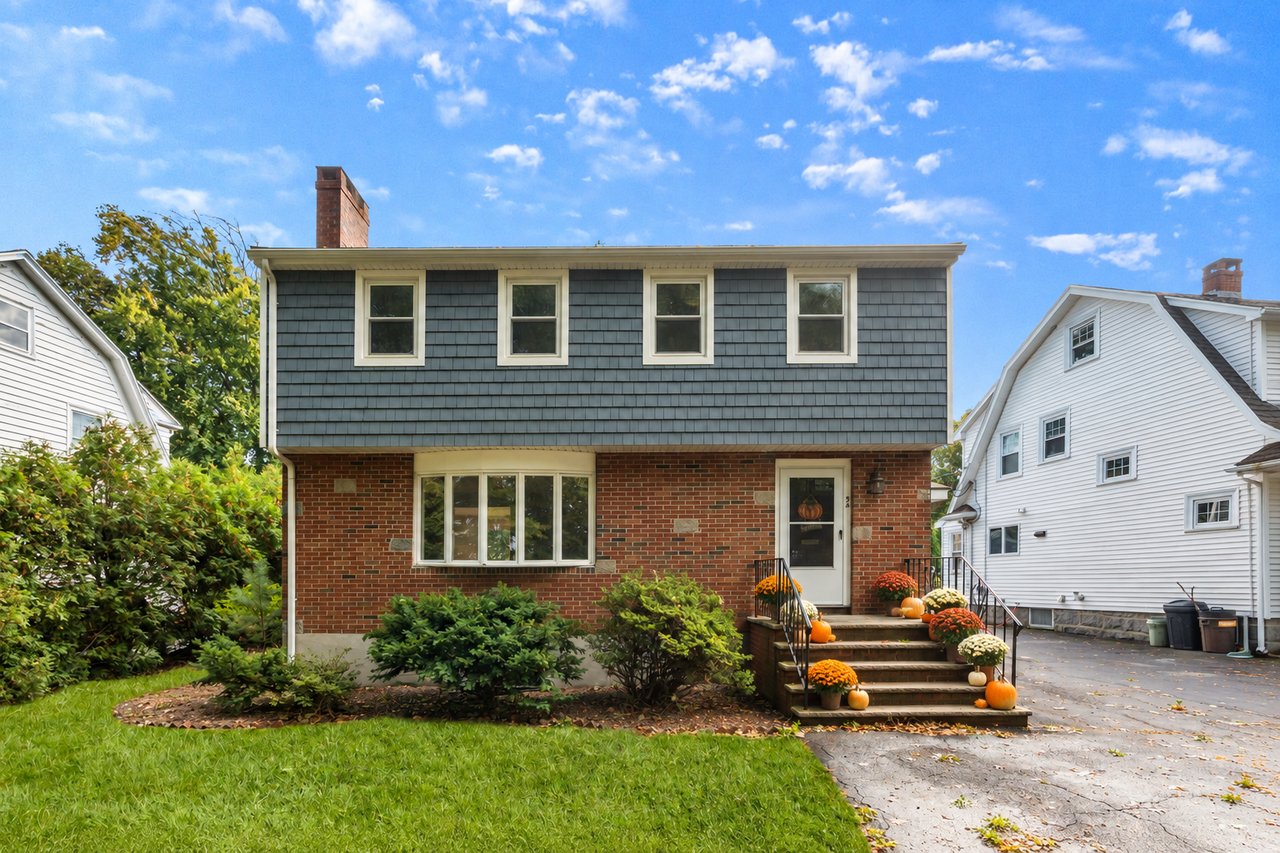
If you want more current systems and fewer near-term projects, newer construction or rebuilt homes may stand out. These homes tend to appeal to buyers who want a layout that feels more aligned with today’s living patterns.
They can also offer better energy performance. The U.S. Department of Energy describes certified efficient new homes as offering energy savings, comfort, health, and durability.
What newer homes may include
In many cases, newer homes are more likely to reflect what buyers expect now. That can mean easier circulation, more connected kitchen and living spaces, and updated materials and systems.
They may also reduce the immediate repair list compared with an antique home. Still, buyers should verify builder quality and materials rather than assume every newer home is the same.
Why “new” is not always simple
In Hingham, new construction is not automatically a blank slate. The town allows new construction in historic districts, but it regulates how new homes fit into the surrounding streetscape.
The town’s guidelines call for compatibility in setbacks, orientation, spacing, scale, massing, height, design, materials, windows and doors, roof forms, and overall character. In historic districts, traditional materials like wood clapboard, cedar shingles, and brick are recommended, while synthetic or manufactured materials are not.
Other styles you may spot
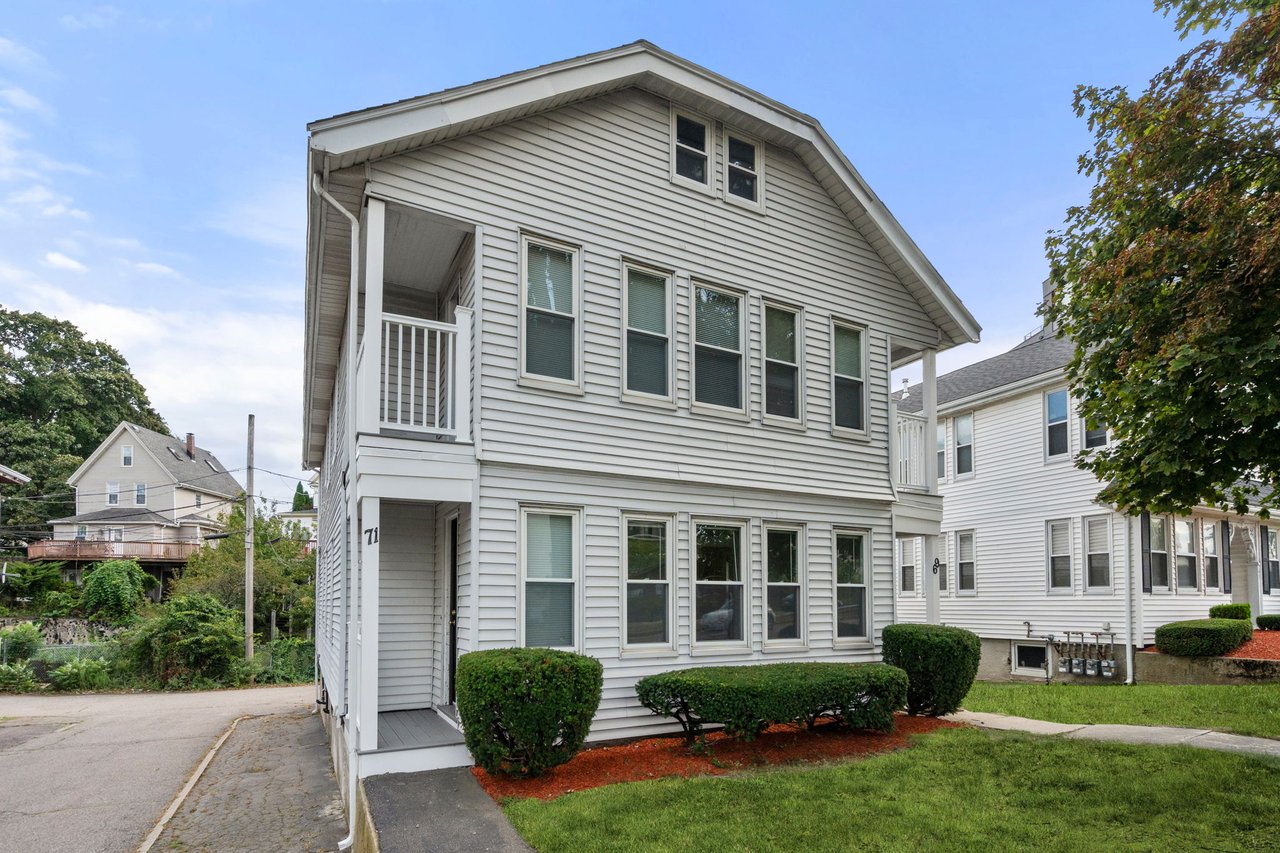
Beyond Colonials and Capes, Hingham’s official historic inventory shows a wide range of styles. You may also come across Greek Revival, Italianate, Shingle Style, Queen Anne, Tudor Revival, Bungalow, Dutch Colonial or Dutch Colonial Revival, and other Traditional homes.
That variety is one reason home tours in Hingham can feel so different from one property to the next. Even homes that seem similar in price or location may differ a lot in layout, maintenance needs, and renovation flexibility.
Quick style cues to notice
Here are a few easy visual clues to keep in mind when touring homes:
- Greek Revival: boxier form, pedimented rooflines, columns, and strong classical lines
- Italianate: low overhanging roofs, decorative brackets, and tall narrow windows
- Queen Anne: asymmetrical design, porches, turrets, and mixed exterior materials
- Dutch Colonial or Revival: gambrel roofs with Colonial Revival details
- Bungalow: low-pitched rooflines, wide eaves, and usually one to one-and-a-half stories
You do not need to memorize every label. The goal is simply to connect what you see with how the house may function and what kinds of updates it may invite.
What to prioritize when touring
The most useful question is not always, “What style is this?” More often, it is, “Will this style work for the way I live?”
That means paying attention to room flow, stair placement, upstairs ceiling height, and storage. It also means checking whether the home already has the kitchen, bath, and mechanical updates you want, or whether those changes may become part of your post-closing budget.
Confirm historic district status
One of the most important local steps is confirming whether a property is in a historic district. In those areas, Hingham reviews exterior alterations and new construction, and even some routine material or color changes can require commission review.
That does not mean you should avoid historic homes. It simply means you should understand the approval path and factor it into your timeline and planning.
Look closely at exterior condition
Because Hingham has 21 miles of shoreline, exterior materials and maintenance history deserve extra attention. This is especially important with older homes, where preservation-sensitive repairs may be needed.
If the home has already been updated, look for signs that the work respected the original structure. If work still needs to be done, think about whether the scope fits your comfort level and budget.
Match style to your budget
In a market where values are high, style-based renovation decisions matter. A buyer who loves an older Colonial or Cape may want to reserve extra funds for repairs or updates that need to be handled carefully.
A buyer who prefers newer construction may choose to pay more upfront for a home that already fits modern expectations. Neither approach is automatically better. The right choice depends on your timeline, budget, and how much project work you want to take on.
A smart way to compare styles
If you are narrowing down options in Hingham, it helps to compare each home through the same lens. A simple checklist can keep you focused on what really matters.
Use these questions as you tour:
- Does the layout fit your daily routine?
- Are the bedrooms, ceilings, and storage practical for your needs?
- What updates seem finished, and what may still be ahead?
- Is the property in a historic district?
- If you want to expand later, does the home’s style and setting make that realistic?
- How much exterior upkeep should you expect?
- Does the home’s character feel worth the tradeoffs involved?
This approach can help you move beyond first impressions. It also makes it easier to compare a charming older home with a newer one in a more grounded way.
If you are weighing home styles in Hingham and want a local, practical read on what fits your goals, Colleen Foulsham can help you sort through the tradeoffs with clear guidance and South Shore market insight.
FAQs
What home styles are most common for buyers to see in Hingham?
- Buyers in Hingham will often see Colonial and Cape Cod homes, along with newer construction and a mix of styles such as Greek Revival, Italianate, Queen Anne, Bungalow, and Dutch Colonial or Revival.
What should buyers know about Colonial homes in Hingham?
- Colonial homes in Hingham often offer symmetry, traditional curb appeal, and more formal room layouts, but older exterior elements like roofs, windows, trim, and porches may require more careful maintenance or repair.
What should buyers know about Cape Cod homes in Hingham?
- Cape Cod homes in Hingham often have compact layouts, cozy proportions, and a smaller upper level, which can be appealing for charm and manageability but may also create a need for storage solutions or future layout improvements.
How do historic districts affect Hingham homebuyers?
- If a Hingham property is in a local historic district, exterior changes and new construction may require review by the town, so buyers should confirm district status early and understand how that may affect future updates.
Are newer homes in Hingham easier to maintain?
- Newer homes in Hingham may offer fewer immediate repair needs and more current systems, but buyers should still verify construction quality and understand that homes in historic areas must remain compatible with the surrounding streetscape.
What should buyers focus on when touring older homes in Hingham?
- Buyers touring older Hingham homes should focus on room flow, stair placement, ceiling height, storage, update level, exterior condition, and whether the property’s style and historic context may shape future renovation options.