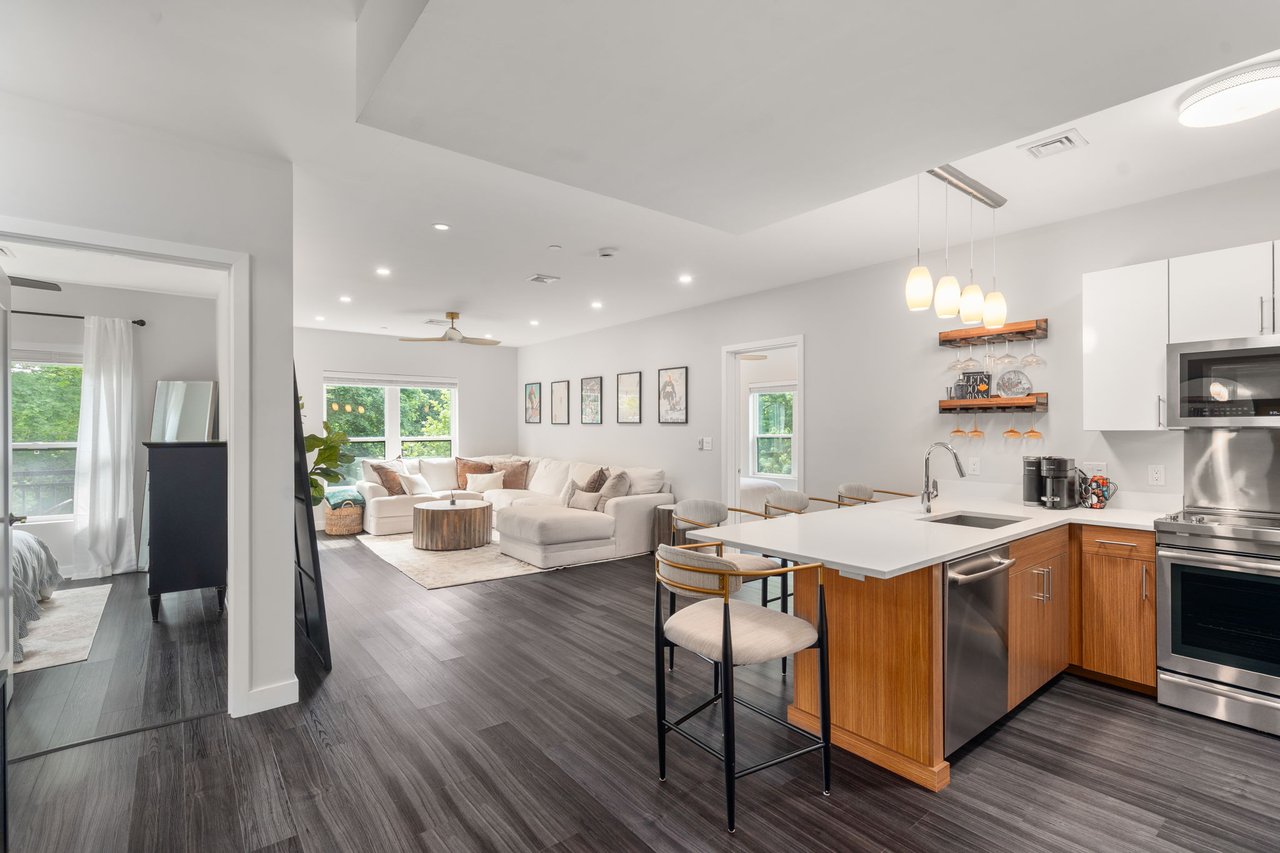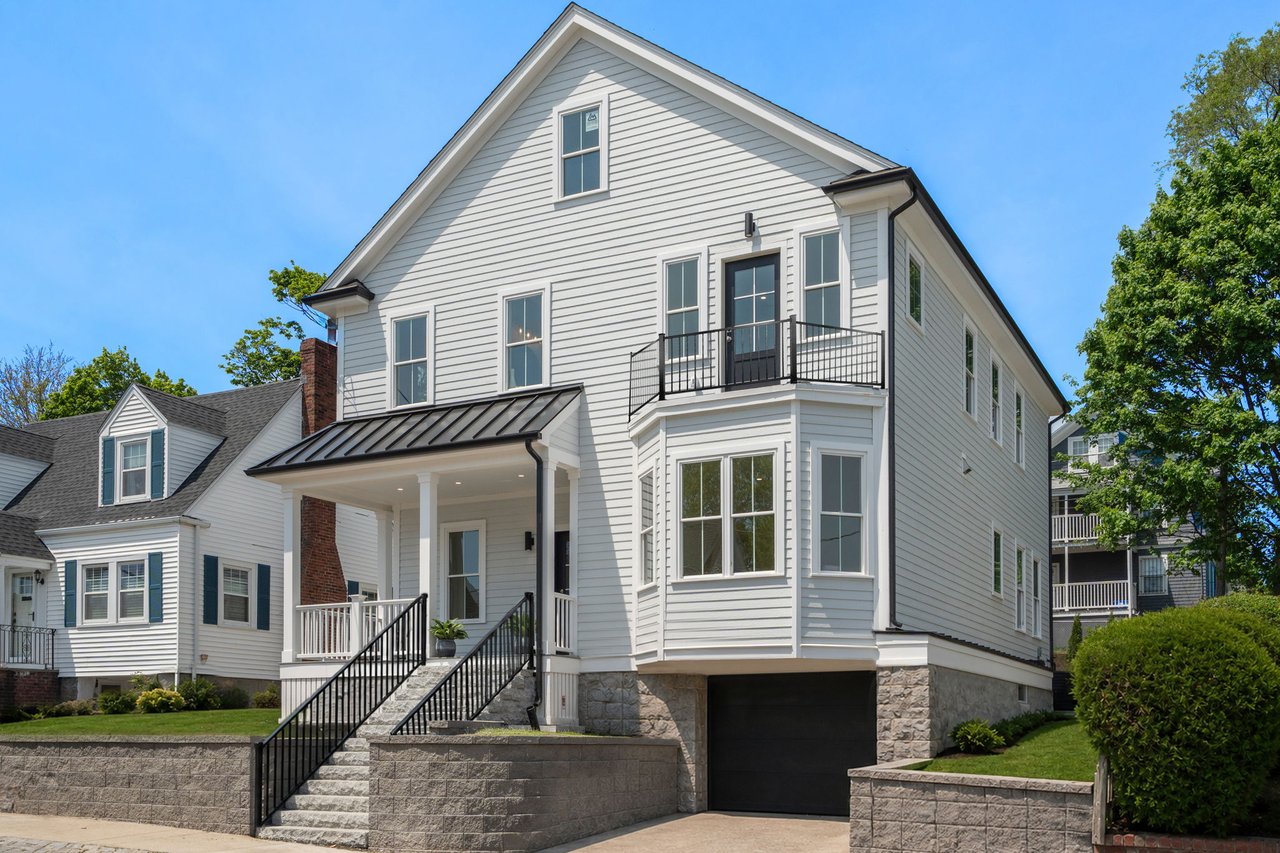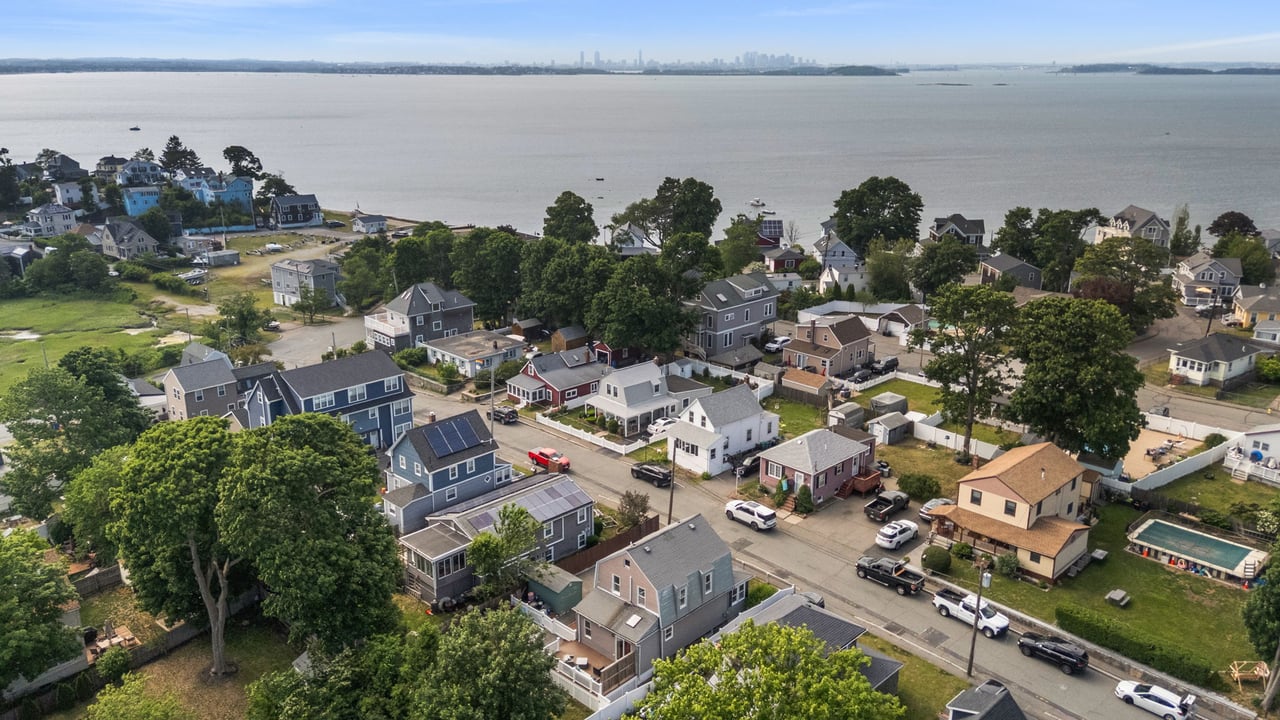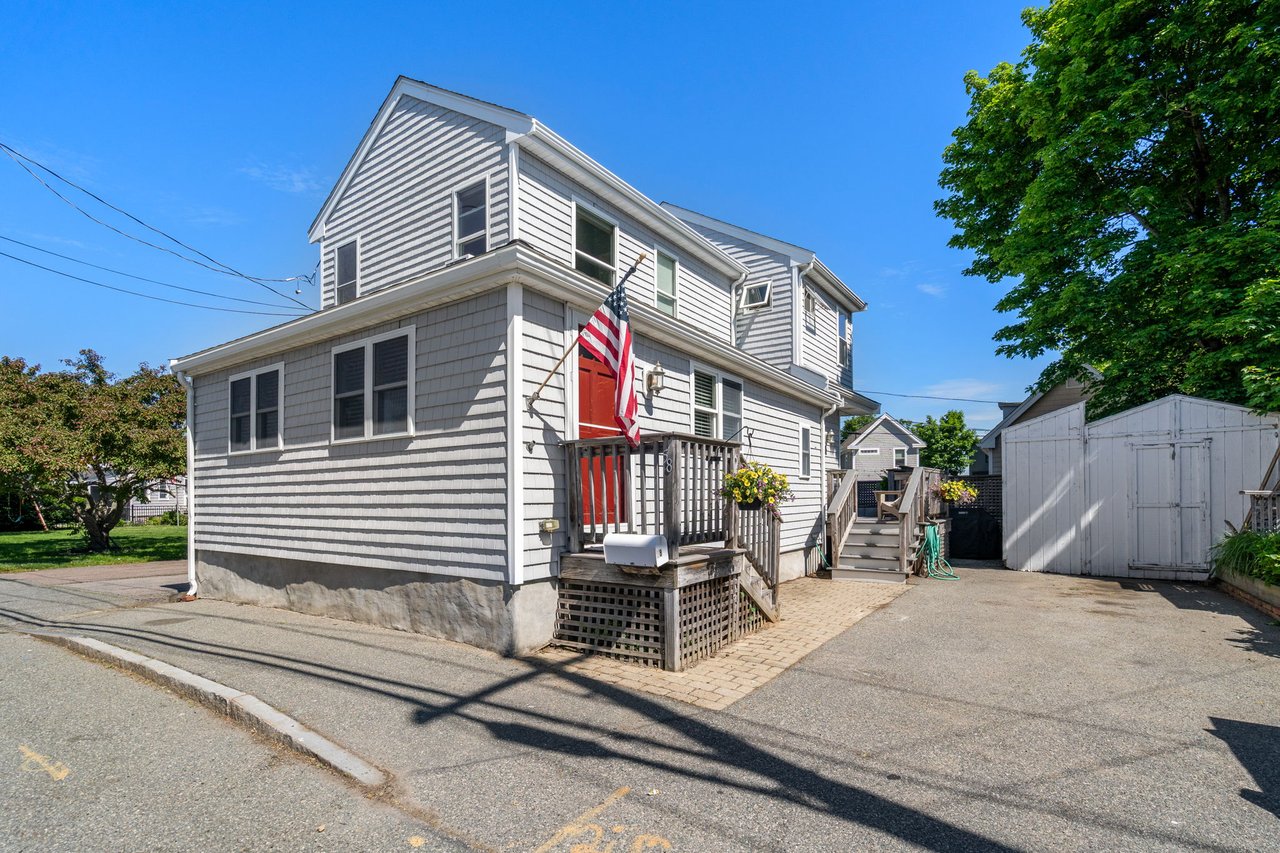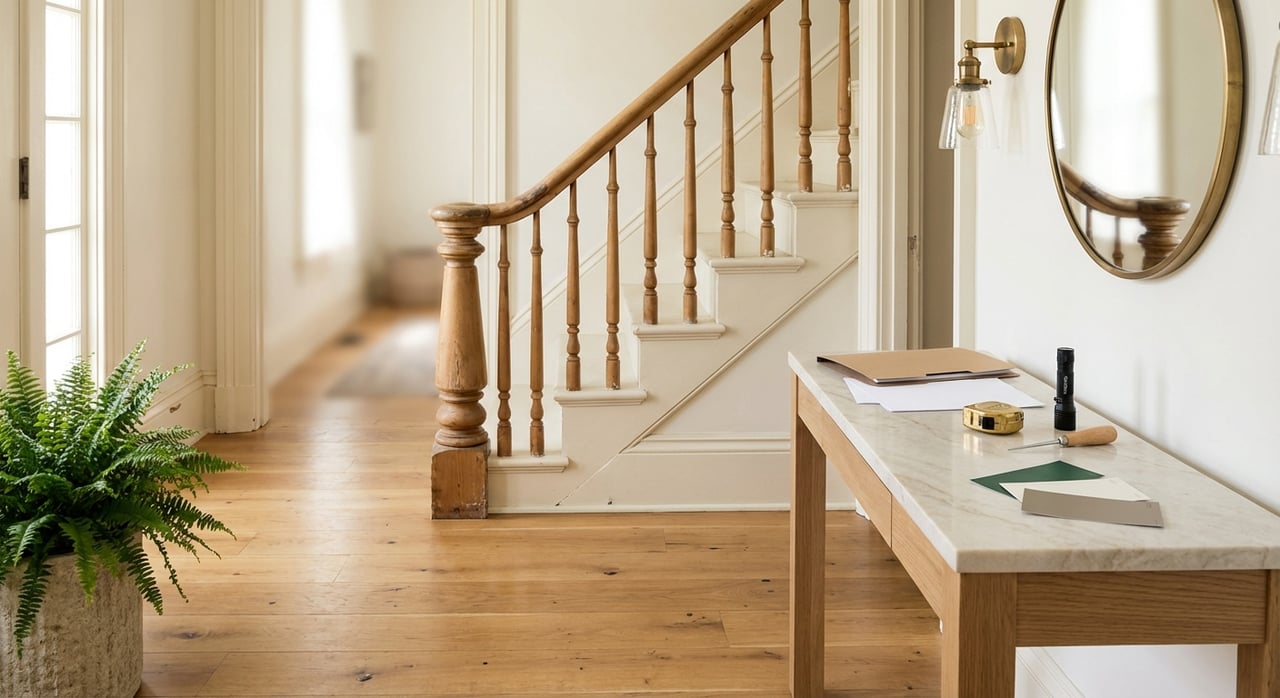
Love the idea of wide-plank floors, center chimneys, and sunlit rooms with centuries of stories? Hingham’s historic homes deliver that New England character many buyers look for, especially around Lincoln, South Hingham, and Hingham Centre. At the same time, older homes come with unique rules, timelines, and costs. In this guide, you’ll learn what makes Hingham’s historic housing special, how local preservation reviews work, how to plan inspections, and which financing options can help you buy with confidence. Let’s dive in.
Why Hingham homes stand out
Hingham has one of the South Shore’s strongest preservation cultures. The town tracks a large inventory of historic assets and maintains active programs through the Hingham Historical Commission. You’ll see a mix of First-Period, Colonial, Federal, Greek Revival, and Late Victorian architecture on the same streets, which gives neighborhoods distinctive character.
You’ll also find well-known examples that spotlight Hingham’s legacy, from the still-active Old Ship Meetinghouse to museum properties like the Major General Benjamin Lincoln House. For you as a buyer, this usually means true period details are common: early framing, original moldings, wood clapboard siding, fieldstone foundations, and traditional chimneys. Expect authenticity and, in many areas, nearby neighbors or associations that care deeply about stewardship.
Understand local rules
Before you plan any updates, get familiar with Hingham’s review bodies and when their approvals apply. Building this into your due diligence will save time and reduce surprises.
Local historic districts and the HDC
If a property sits in a local historic district, most exterior changes visible from a public way require a certificate from the Historic Districts Commission. Certificates include:
- Certificate of Appropriateness for proposed visible changes
- Certificate of Non-Applicability for routine maintenance
- Certificate of Hardship in limited cases
The HDC offers pre-application reviews and meets regularly. Plan for a hearing for visible exterior changes.
Demolition delay basics
If a building is listed on the inventory or falls within defined areas, Hingham’s Demolition Delay By-Law can trigger a formal review. If the Historical Commission finds the structure historically significant, the by-law allows a delay period while alternatives to demolition are explored. Treat demolition and major exterior work as processes that require advance planning and public meetings.
Community Preservation funds
Hingham uses Community Preservation Act funds to support eligible historic resource projects through an annual application cycle managed by the Community Preservation Committee. Awards are competitive and require Town Meeting approval. If you hope to pursue matching funds through a nonprofit partner or similar structure, connect with the CPC early to understand eligibility and timing.
Plan inspections and experts
Older New England homes can be strong and serviceable for generations when cared for, but they demand a sharper inspection plan. Build your team early and budget time for specialty evaluations.
Start with the right specialists
- Licensed home inspector with older-home experience
- Structural engineer if you see framing, foundation, or settlement concerns
- Licensed electrician for dated panels or wiring
- Lead-safe certified renovator for any paint disturbance guided by the EPA RRP rules
- Licensed asbestos inspector or abatement firm before any demolition or major disturbance per EPA asbestos guidance
- Historic-sensitive architect to shape scope and support HDC applications
- Contractor experienced with historic materials and local approvals
- Masonry and roofing specialists for chimneys, stone foundations, slate or wood roofs
Common issues to expect
- Hazardous materials. Homes built before 1978 often contain lead paint. Many mid-century materials can contain asbestos. Plan for testing and certified handling if work will disturb these materials.
- Electrical systems. Knob-and-tube or cloth-insulated wiring and outdated panels are common. Lenders and insurers may require upgrades for safety.
- Heating and chimneys. Older boilers, oil tanks, and unlined chimneys need professional evaluation. Ask about prior fuel-oil use and tank testing.
- Foundations and moisture. Fieldstone or granite foundations can show mortar loss and moisture. Watch for efflorescence, sill rot, and grading issues.
- Roofs and windows. Slate or wood roofs and original flashing need specialized care. Original windows are often repairable and may be preferred under preservation review compared to full replacement.
Sewer or septic decisions
Sewer access can shape renovation potential, bedroom counts, and additions. Verify whether the property is in a sewer district or on a private system by checking with the Hingham Sewer Commission. Confirm connection rules, fees, and capacity before you finalize plans.
Budget for surprises
Older-home projects carry more unknowns. A conservative approach helps you stay in control.
- Keep a 10 to 20 percent contingency depending on scope
- Expect potential costs for panel upgrades or full rewiring
- Plan for lead or asbestos abatement if work will disturb materials
- Price chimney liners, masonry repairs, and specialized roofing trades
- Favor window repair with high-quality storms when feasible
Financing and incentives
Buying a historic home that needs work does not mean you must pay for renovations out of pocket. Several loan programs pair purchase and renovation into one mortgage.
Renovation loans to know
- FHA 203(k). This HUD program lets you combine purchase and rehab with an as-completed appraisal and structured draw process. It can be a fit for owner-occupants tackling systems work. Learn more on the FHA 203(k) page.
- Conventional options. Fannie Mae and Freddie Mac offer purchase-plus-renovation products. A common choice is Freddie Mac’s CHOICERenovation. Availability varies by lender and project size. See Freddie Mac’s overview of CHOICERenovation.
Work with a lender who understands historic homes and local approvals. You will need contractor bids, a defined scope, and an as-completed appraisal.
How preservation rules shape scope
Appraisals for renovation loans are based on the projected finished value. If HDC requirements limit exterior changes, that can affect the final scope and value. Coordinate early among your lender, appraiser, architect, contractor, and the HDC or Historical Commission so your plan matches what is likely to be approved.
Tax credits in Massachusetts
For income-producing historic properties, the federal Historic Rehabilitation Tax Credit can offset qualified rehabilitation costs when work follows the Secretary of the Interior’s Standards. Most primary residences do not qualify, but mixed-use or rental projects may. Review the National Park Service summary on Historic Preservation Tax Incentives and check state-level programs with the Massachusetts Historical Commission before you set expectations.
Permits and timing in Hingham
- HDC review. Certificates for visible exterior changes often require a hearing. Depending on complexity and meeting schedules, expect several weeks to a few months from application to decision.
- Demolition delay. If a property is found historically significant under the by-law, plan for a delay period that can extend several months while alternatives are evaluated.
- CPA funding cycle. Community Preservation funds follow an annual schedule and require Town Meeting approval. If you are counting on these dollars, set a timeline that spans many months, not weeks.
Buyer checklist
Use this quick, local checklist to keep your search on track.
Before you offer
- Hire a home inspector with older-home expertise
- Ask the seller for any prior HDC certificates or preservation documentation
- Discuss scope and ballpark costs with a contractor who has historic experience
Smart contingencies
- Historic-sensitive inspection and contractor estimates
- Renovation-loan underwriting if you plan to finance improvements
- Clear allowance for HDC or Historical Commission review timelines
Questions to ask
- Is the property in a local historic district or on the town’s historic inventory? Confirm with the Hingham Historical Commission or HDC.
- Are there preservation restrictions, easements, or prior Certificates of Appropriateness on record?
- Has any lead or asbestos testing been done? If not, plan to test and follow EPA RRP guidance.
- Is the home on municipal sewer or private septic? Verify with the Sewer Commission.
- Are there known buried oil tanks or prior environmental reports?
- Are there open permits or recent code violations?
- Have insurers raised concerns about older wiring or systems that could affect coverage?
Work with a local team
Buying a historic home is as much about process as it is about charm. You need a guide who knows Hingham’s review boards, the right inspectors, and lenders who handle renovation financing. If you are weighing homes in Lincoln, South Hingham, or Hingham Centre, our team can help you map approvals, build the right scope, and write an offer that protects your timeline and budget. Ready to explore historic homes with a plan that fits your goals? Connect with Colleen Foulsham to get started.
FAQs
Do Hingham historic district rules apply to interior work?
- HDC review generally applies to exterior changes visible from a public way. Interior work is typically outside HDC jurisdiction, but always confirm for your address and ask about any recorded restrictions or easements.
Can I replace original windows in a Hingham historic district?
- Many projects favor repair and high-quality storm windows to retain character. Full replacement may require HDC approval and specific detailing, so review options with your architect and the HDC before you order anything.
How long does HDC approval take in Hingham?
- Simple maintenance items can be quick if deemed non-applicable. Visible exterior changes usually require a hearing and can take several weeks to a few months based on complexity and meeting dates.
What financing can help me renovate a Hingham fixer-upper?
- Consider FHA 203(k) and conventional renovation loans like CHOICERenovation. These bundle purchase and rehab into a single mortgage, based on the as-completed value and an approved scope.
Are there grants or tax credits for private homeowners?
- Local CPA funds support eligible preservation projects through a competitive, annual process. Federal and state historic tax credits mainly apply to income-producing properties and require certification, so plan early if your use qualifies.